


Takeout and delivery services have become very popular over the course of the past year, and with this increased demand, comes an increase in the amount of takeout-related materials on hand in every restaurant. With so many elements involved in takeout orders, food safety managers should take a few steps to reduce the amount of waste involved when packing takeouts and delivery orders.
When you consider all the elements that go into to-go orders, there is a great potential for waste. Clamshell containers, individually packaged utensils, sauce packets and lids all have the potential to be wasted. Many customers prefer to use their own silverware at home, may have no need for the tiny packet of ketchup or simply toss excess containers in the trash. Sending these items with every takeout order eats into your food safety manager’s bottom line, creates waste and may have a negative impact on the environment.
In order to reduce waste, you may wish to ask customers who place a takeout order if they require silverware, sauces or other optional items. You may find that more of your customers are concerned about waste than you think.
Takeout and delivery don’t just create more waste, many to-go containers, utensils and sauce packets are cmposed of plastics that are harmful to the environment. Here are a few things food safety managers should consider when planning takeout service:
Current innovations in recyclable and biodegradable restaurant supplies have made it possible to reduce your environmental impact without sacrificing the quality of your service. While paper-based takeout containers may not last forever, they’ll retain their integrity long enough for guests to enjoy their meals. The same goes for paper straws and biodegradable utensils. By making a few small changes food safety managers can go a long way in reducing waste and being environmentally focused with your delivery and takeout supplies.
Have you looked into how you can be more environmentally conscious with the way you provide delivery services?

With an increased emphasis on sanitation due to the global pandemic, many have speculated that these regulations have had an impact on other types of illness. We recently came across an article stipulating that foodborne illnesses are down due to coronavirus countermeasures. While the studies referenced were performed in Australia and Europe, we see a direct correlation between food safety training, COVID-19 measures and foodborne illness prevention.
The study conducted by the Australian Government is rather extensive, so we’ll briefly break down their findings.
The Australian study showed a rather large reduction of foodborne illness cases, especially when it came to the norovirus. Norovirus outbreaks are among the most common foodborne illness issues worldwide. This study shows norovirus cases were drastically reduced, almost 80-percent less than the previous year when compared to e.Coli and salmonella, which were reduced by approximately 50 percent. European studies have also suggested that norovirus rates lowered significantly over the past year.
We can speculate that reduced restaurant patronage contributed to the reduction of foodborne illness cases, but when you consider that the spread of norovirus is easily controlled through a food safety training emphasis on sanitation and handwashing, we can account for the vastly differing percentage when compared to e.Coli and salmonella, two bacteria that can also be spread through contaminated product.
We hope to be out of the water soon when it comes to dealing with COVID-19, but if we continue to emphasize good handwashing and sanitation, maybe we can keep the momentum going on preventing other illnesses that can be stopped by good food safety training.
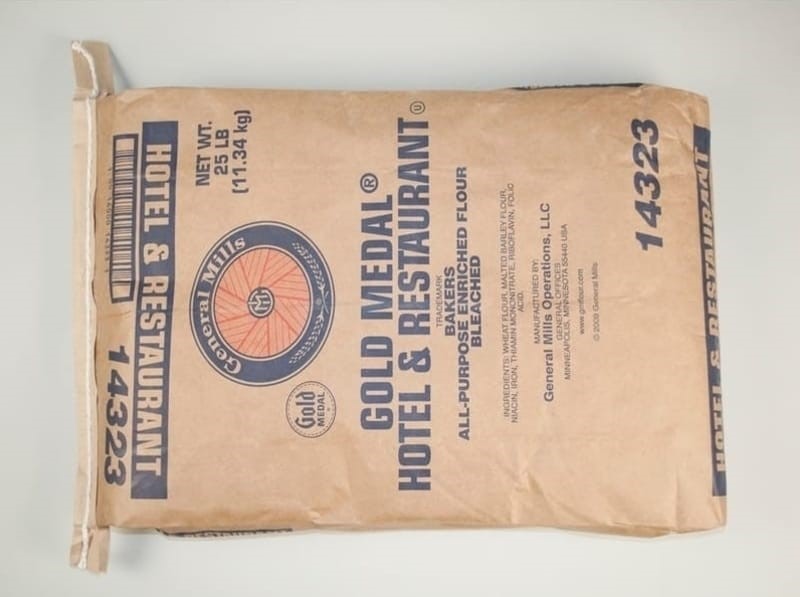
Even though we’ve been dealing with the coronavirus for over a year, we still hear questions and concerns over how the virus is spread and extra steps that can be taken to control it. In a recent discussion, we were asked if ServSafe food managers should be concerned about COVID-19 entering their business on the surface of supplies, food packaging or other materials that they use in their business. The StaySafe MN guidance for restaurants and bars has no specific information on this topic, so we decided to research the matter further.
In the past, we’ve covered the near impossibility of coronavirus infection from food consumption. But, do ServSafe food managers need to be concerned with supply packaging? Does ingredient packaging, shrink-wrapped supplies and other containers that arrive on delivery trucks pose an infection risk to your staff?
While Minnesota COVID guidelines make no mention of this scenario, the CDC briefly addresses this on the consumer level.
According to CDC consumer guidelines, little evidence exists that coronavirus infections spread on food packaging from grocery stores or other outlets. If this evidence holds up for highly populated facilities, this statement would suggest that the same holds true for packaged goods delivered to foodservice businesses.
While COVID transmission risk on packaging may be low, cautious ServSafe food managers should be aware that sanitizing packaging that contains food products poses the risk of sickening customers through the ingestion of sanitizing chemicals. We’ve been asked if quickly sanitizing shipments or inventory would add an extra layer of protection, but we’d advise against it. The best defense would be to thoroughly wash your hands after receiving and storing deliveries. Consistent handwashing protects your guests from many different types of illness, both foodborne and otherwise.
Are you concerned that COVID-19 could enter your business on your supply shipments?