Minnesota Food Community At The Astonishing 2022 State Fair

Our Astonishing MN Food Community At The State Fair

The end of Summer Break is nearly here, and that means it’s time for our annual trip to the Minnesota State Fair. Whether it’s surveying prize-winning livestock, taking in a show at the Grandstands or simply wandering and sightseeing, there’s something for everyone; making it one of the most looked forward to events of the summer. One thing Safe Food Training is really excited about is what the Minnesota food community comes up with. Each year talented chefs seem to push the envelope further and further.

Minnesota Food Community At The Astonishing 2022 State Fair
Image Credit: Joe Passe via Flickr

A Preview of the Minnesota Food Community at this Year’s State Fair

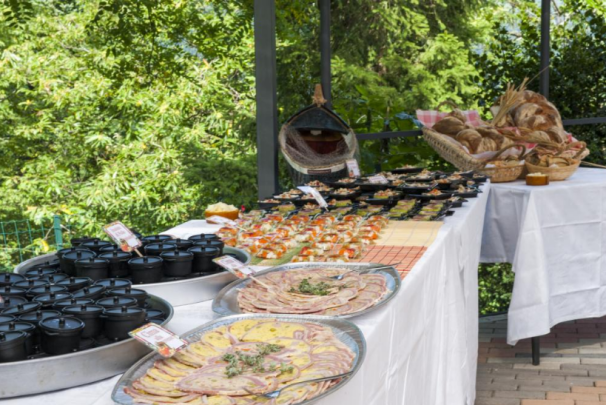
Judging from a preview of Minnesota food community vendors, we’ll have quite the challenge of deciding which new foods from the mn food community to sample. With everything from Venezuelan pulled pork to breakfast gnocchi, we may actually need to take several days off of teaching food safety training classes to get our fill. Some highlights we’ve seen include:

  • Pickle Pizza
  • Tandoori Rolls
  • French Vegan Sliders
  • Sweet Potato Poutine

And that’s just a brief drive-by. We’re definitely going to have to loosen our belts this year. We’re also looking forward to all of the standard fair desserts from the Minnesota food Community. Deep fried ice cream, cotton candy floats and many more selections will tempt fair goers even further.

JUST RELEASED – “The Minnesota State Fair announces 47 brand-new beverages premiering or found only at the 2022 fair. In addition, there will be 43 returning beverages found only at the Great Minnesota Get-Together. In all, the fair features 300+ brews and beverages”. We’re sure that Minnesotan craft brewers will be bringing their best to compliment all of the great foods as we wander from vendor to vendor.

Are you planning on taking in the sights, sound and cuisine of this year’s Minnesota State Fair? We hope we see you there either in front or behind the counter!

Recall creates unexpected problems for ServSafe food managers

Latest Recall Creates Unexpected Problems For ServSafe Food Managers

In a major nationwide notice, the J.M. Smucker Corporation has recalled large batches of Jif peanut butter due to concerns over possible salmonella contamination. Due to the long shelf life of peanut butter and the numerous types of packaging being recalled, ServSafe food managers should take action now to prevent foodborne illness risks in the long run.

How ServSafe Food Manager Should Approach Recall Problems

Latest Recall Creates Unexpected Problems For ServSafe Food Managers

Many restaurants and other food outlets that use peanut butter sparingly enough that may simply purchase it in small quantities from grocery stores rather than large buckets from food service suppliers. ServSafe food managers that stock Jif peanut butter should take a close look at the recalled product ID numbers to ensure they do not have any potentially contaminated product on hand. If you do find recalled jars of peanut butter in storage, dispose of both opened and unopened containers.

Beyond jars of different sizes, this recall also affects smaller packages and grab-and-go style cups of Jif peanut butter. Cafeterias, hospitality businesses and other places that offer pre-packaged single-serving peanut butter cups need to investigate to see if these products have been recalled. These single-serving cups are not only available by themselves, but are also packaged in lunch kits and other grab-and-go snack packages.

Finally, you may want to consider disposing of product made with Jif peanut butter that was purchased during the dates contaminated peanut butter was shipped. It may sound like a drastic move, but if it saves your guests from salmonella poisoning risks, it may just be worth it.

Have you checked the FDA recall list lately?

New ServSafe Managers Guide to Seasonal Food Stands

New ServSafe Managers Guide to Seasonal Food Stands

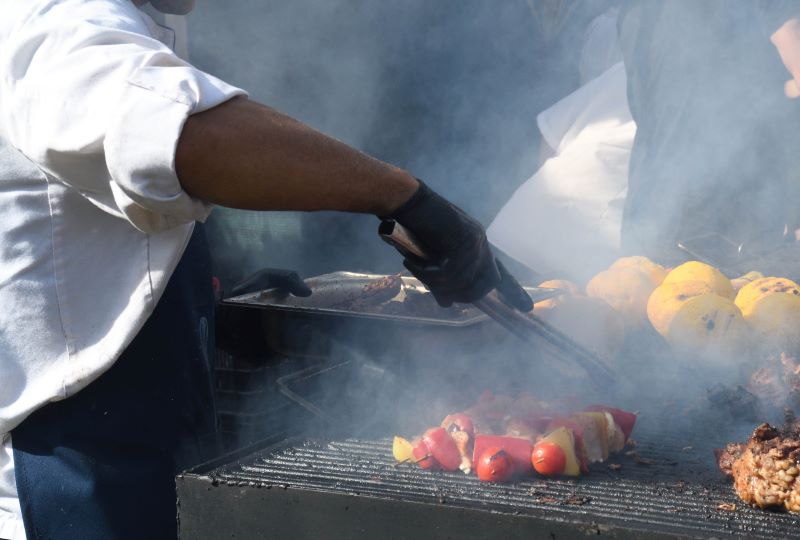
With the warmer weather approaching, many Minnesotans will be getting outside and attending events in the fresh air. Farmer’s markets, carnivals and other events are great opportunities for food businesses to showcase their product with seasonal food stands. Since these stands aren’t located at a restaurant or other indoor facility, there are some special rules that ServSafe managers should be aware of when planning their temporary outdoor eating establishment.

New ServSafe Managers Guide to Seasonal Food Stands
Image credit: duncan c via Flickr

How to Plan a Seasonal Food Stand for ServSafe Managers

In order to have an outdoor eating establishment approved, the operator cannot simply set up shop and begin cooking, regardless of their ServSafe certification status or if their home-base outlet is licensed. A detailed plan must be submitted at least 30 days before operations begin. Your plan must include:

  • Menu
  • Anticipated volume of ingredients and finished product
  • Layout and equipment specifications
  • Details on freshwater supply, waste removal and sanitation procedures

In order to gauge what permits or licenses are needed, your local inspector will need to know what type of food you’ll be serving. Grab-and-go items that are prepackaged or simple heat-and-serve meals have different requirements than freshly prepared food from raw ingredients. Lower volume seasonal stands may also have different licensing issues depending on location, so the anticipated volume can be a big factor during an inspection before opening.

ServSafe food managers also need to be very detailed when it comes to the layout and equipment used in the seasonal food stand. All equipment must still pass the same certifications for restaurant use as in your brick-and-mortar establishments.

The last part of a plan for Servsafe managers to use for a seasonal food stand should outline how water will be supplied and how the equipment will be sanitized. Fresh, clean water is a requirement for handwashing, sanitation, and any cooking procedure that involves water. A simple garden hose run from a nearby building won’t cut it. If you’re not using a portable handwashing and water supply station, make sure to investigate the source to see if it is approved for use in your temporary stand. If you have multi-use utensils, equipment for storage or serving items, a dishwashing plan must be in place. If you do plan on using these types of items, plan on having a triple sink with access to hot water available.

Are you planning on showcasing your food business at seasonal events this summer?

Founder of Safe Food Training

A Tribute To Doug Nick Founder Of Safe Food Training

On January 16th of this year our friend and founder of Safe Food Training, Doug Nick passed away unexpectedly. Doug founded the company in 1998 and built it from the ground up. He retired from the business operations in 2011 but stayed active as an instructor for several years after that.

Doug Nick Founder of Safe Food Training

Doug founded Safe Food Training with the intent of providing an informative and productive learning environment that also was fun and interactive. He would often say people do not learn well when they are bored to tears. We adhere to those principals to this day.

Doug was a business partner, friend and mentor for me and I truly appreciate all that he did for myself and the business to assure it would continue to thrive.

There are a few people in your life who really make a huge and positive lasting impact. Doug Nick was one of those people in my life and I am forever grateful.

You are missed.

Tim Niles