

The Truth About Marinade Safety: A Guide to ServSafe MN Standards for Your Minnesota Food License
Mastering Marinade Safety: A Guide to ServSafe MN Standards for Your Minnesota Food License

Master marinade safety with Safe Food Handling!
A well-crafted marinade can elevate a dish from good to unforgettable, adding layers of flavor and essential moisture. As a certified food protection manager in Minnesota, you know that great taste must always go hand in hand with impeccable safety standards. Proper food handling is a cornerstone of your Minnesota food license, and that includes how you prepare, store, and use marinades and brines in accordance with ServSafe MN Standards.
While marinades work their magic on meats, they can also become a breeding ground for harmful bacteria if not managed carefully. Understanding these risks and implementing strict protocols is not just good practice—it’s essential for protecting your guests and your business. Let’s explore three critical areas of marinade safety.
1. Preventing Cross-Contamination
The single most significant risk associated with marinades is cross-contamination. When raw meat, poultry, or seafood soaks in a marinade, the liquid becomes contaminated with any pathogens present on the meat. According to the CDC, approximately 1 in 6 Americans falls ill from foodborne diseases each year. Many of these illnesses are preventable when a certified food protection manager enforces proper kitchen hygiene.
To ensure your marinated dishes are safe, you must treat the marinade with the same caution as the raw meat, poultry, and fish themselves.
- Isolate Your Materials: Always use dedicated, non-porous containers for marinating. Never place other foods, especially fresh produce, next to marinating items. Use separate utensils and cutting boards.
- Strategic Storage: Store marinating food on the bottom shelf of your refrigerator to prevent it from spoiling. This simple step prevents contaminated liquid from accidentally dripping onto and contaminating other foods stored below.
- Wash Your Hands Thoroughly: It’s a basic rule of any food safety certification MN program, but it bears repeating. Always wash your hands with soap and water after handling raw or marinated products.
2. The Dangers of Reusing Marinades
It can be tempting to reuse a flavorful brine or marinade to reduce food costs, but this practice is dangerous and significantly increases the risk of foodborne illness. Because raw meat contaminates a marinade, you must discard it.
- Understand Bacterial Transfer: Raw meats naturally contain bacteria, such as Salmonella and Campylobacter. These pathogens leach into the marinade as the food soaks, and they can multiply to dangerous levels.
- Avoid Contaminating New Product: If you add a fresh piece of meat to a used marinade, you are directly transferring bacteria from the previous batch. This act defeats other safety protocols and puts your customers at direct risk.
- Never Use Old Marinade as a Glaze: Brushing a used marinade onto cooking or cooked meat is a major food safety violation. You are coating your nearly finished product with a layer of raw-meat bacteria. If you want to use a marinade as a sauce or glaze, you must use a fresh portion that has never come into contact with raw meat or poultry.
3. Proper Labeling and Temperature for Continuing Education Food Safety
Maintaining control over time and temperature is a fundamental skill that is continually reinforced through ongoing education and food safety training. These principles are crucial for every certified food protection manager to master, especially when it comes to marinades, which often contain perishable ingredients themselves, and are essential to uphold ServSafe MN Standards.
- Date Everything: Record the date of marinade creation and the date of adding meat, poultry, or fish to your marinade labels. This helps you accurately track the shelf life of raw poultry, meat, and fish, ensuring you cook them
before they expire.

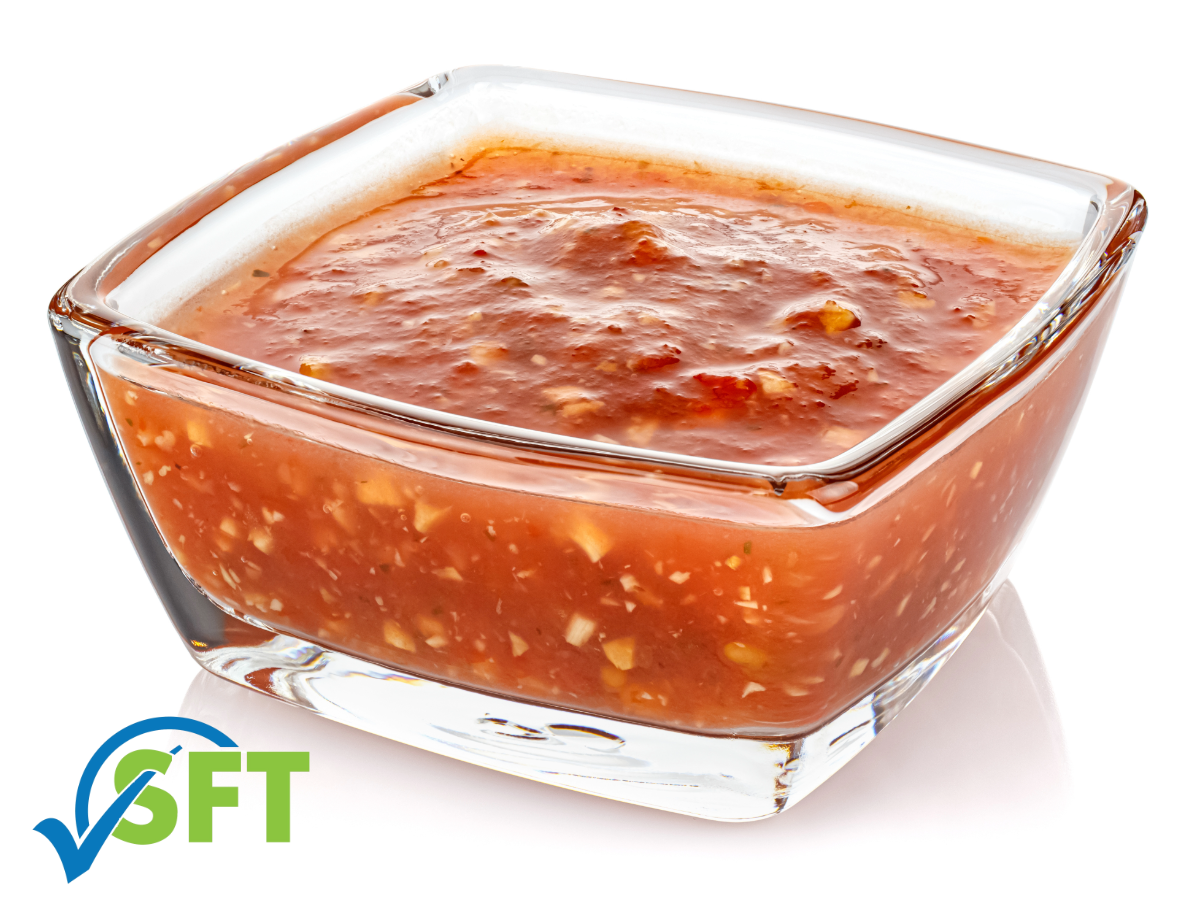
Are you storing your marinade properly?
- Refrigerate Immediately: Always refrigerate marinades at 40°F or below. Leaving a marinade on a counter to “marinate faster” places it squarely in the temperature danger zone (40°F – 140°F), where bacteria can multiply rapidly.
- Know Your Ingredients: The shelf life of a marinade is also determined by its ingredients. Marinades containing dairy, fresh garlic, or other perishable items have a shorter safe-use window and require strict temperature control.
Uphold Your Safety Standards
Mastering marinade safety is a non-negotiable part of running a professional kitchen and a key responsibility for any certified food protection manager. By focusing on preventing cross-contamination, refusing to reuse marinades, and diligently managing time and temperature, you protect your diners and your reputation, all in accordance with ServSafe MN Standards.
Ensuring every member of your team understands these details is vital for your success. For personalized, instructor-led 8-hour food licensing courses and convenient reminders for your three-year continuing education, Safe Food Training is here to help you in Minnesota.
Book your team’s training now to maintain the highest level of food safety in your establishment!


