Certified Food Managers Can Donate Excess Food During the Covid-19 Slowdown

Certified-Food-Managers-Donate-Food-During-Covid-19

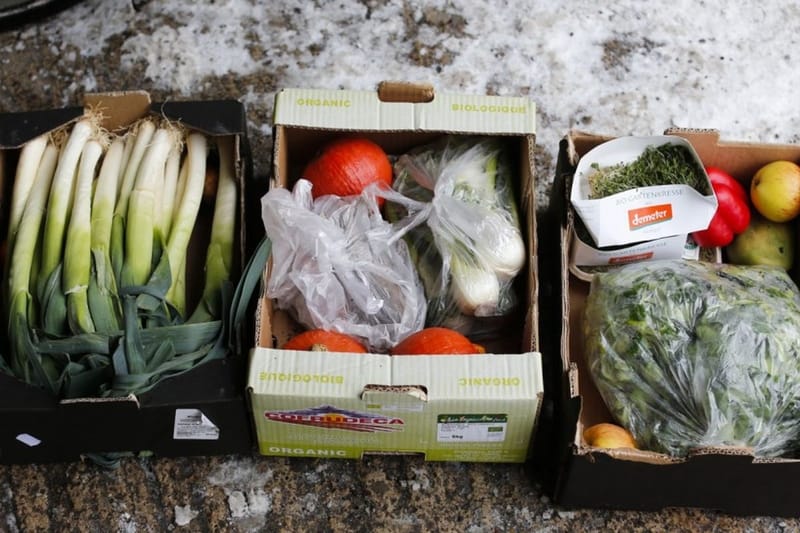
Now that restaurants, bars and other food producers have been asked to close dining rooms and only offer takeout and delivery, certified food managers are finding that they are not using as much inventory as they once had. What can local businesses do to prevent excess produce, meat and other ingredients in their refrigerators from going to waste? The Minnesota Department of Health has suggested that restaurants and food businesses can donate excess product to charities and programs that provide meals to those in need. So how do certified food managers get in touch with these programs to donate food during the COVID-19 outbreak?

Certified-Food-Managers-Donate-Food-During-Covid-19

How Certified Food Managers Can Help by Donating Food during the COVID-19 Crisis

Donations can not only be a great way to reduce your waste during this time, but also give back to your community. Potential guests will see your willingness to sacrifice during hard times and may order from your establishment once they see your charitable nature.

Beyond raw ingredients, there are a few organizations look for prepared meals whether packaged for reheating or hot and ready to go. Charities such as Hunger Solutions have begun compiling maps of businesses providing free meals for children who would normally rely on schools for breakfast, lunch and sometimes dinner. Besides Hunger Solutions, there are also many other local organizations looking for help from restaurants, too many for us to specifically name here. The Department of Health has provided a list of contacts to help certified food managers find charities in their area who are looking for increased donations during the COVID-19 slowdown.

If you’re considering donating product, meals or even kitchen space, here are a few links to get you started:

Have you considered joining other certified food managers who donate food, labor or kitchen space during the COVID-19 shutdown?
A Minnesota Certified Food Protection Manager’s Response to COVID-19

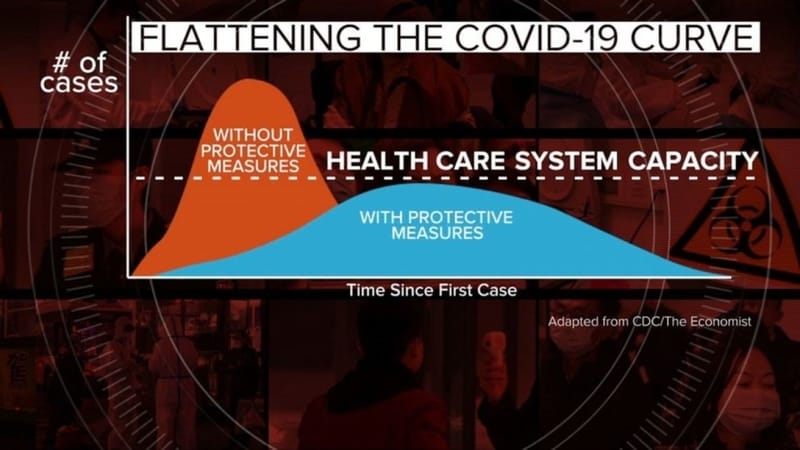
A Minnesota Certified Food Protection Manager's Response to flattening the curve of COVID-19

At Safe Food Training, we recognize that we’re now in unprecedented times. Government mandates call for reduced service, including a statewide appeal to restaurants to close dining rooms and offer takeout or delivery only. MN certified food protection managers must now respond to the COVID-19 threat and flattening the curve as well as keeping food safe for customers.

A Minnesota Certified Food Protection Manager's Response to COVID-19
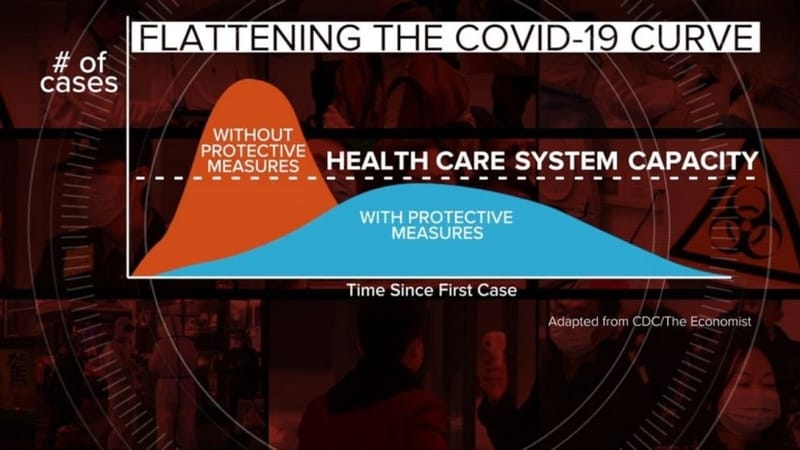
Image credit:CDC/The Economist

Lessons for Minnesota Certified Food Protection Managers Taken from West Coast Response to COVID-19

Over the course of our years of food safety training, we’ve been fortunate to not only make contacts with foodservice professionals in our state but keep in touch with contacts elsewhere. With the current situation involving the coronavirus, we’ve been in touch with a friend and colleague who currently resides in the Seattle metro area. If you’ve been following the news, Washington State has the unfortunate distinction of having some of the first cases of the virus, as well as being one of the leaders in the United States in positive cases and fatalities. We’ve reached out to learn more about how the restaurant industry is responding in an effort to see what they can do in our state to help slow this epidemic.

As you are already aware, the Governor of Minnesota has already asked restaurants to limit access to restaurants and bars by closing dining rooms and providing takeout service, drive-thru or delivery on March 17th. Washington State issued a similar edict taking place on the same day. This should be good news for Minnesota restaurateurs. Not waiting until exposure levels of COVID-19 reach Washington State levels gives us the potential to return to business as usual sooner rather than later. At the time of our conversation with our connection in Washington, Minnesota has only one COVID-19 fatality among 137 positive cases. Washington has over 1,500 confirmed cases of COVID-19 with 83 deaths, with more cases expected daily. Our Seattle colleague is hearing that due to the delay in action, restaurants in some counties are preparing to close longer than their mandated 14 days.

So how should certified food protection managers process these COVID-19 statistics? Granted, we are not Washington State, but we’re talking about a virus that currently has no vaccine or FDA approved treatment. We should be very concerned with the health and wellbeing of our customers and their families. The sooner we see results and a decline in cases, the sooner we can get our restaurants open and profitable again.

It’d take quite some time to cover everything in our discussion with our friend in Seattle, but we hope to break some of that information down to share with you soon. Here are some of the things health inspectors and foodservice business owners in the Pacific Northwest are currently recommending to stem the tide of COVID-19 :

  • Increase handwashing frequency
  • Increase the frequency of sanitation, especially at pick up counters guests may visit
  • Take social distancing seriously
  • Provide curbside pickup unless impossible
  • Take credit card information via phone to limit contact
  • Close when necessary or reduce hours of operation to only cover dining hours; mainly breakfast, lunch and dinner
  • Reduce menu options to reduce waste

Safe Food Training will do whatever we can to update and provide as much information as we can to help certified food protection managers navigate these tough times caused by COVID-19. How are you dealing with the new restrictions on food service during this outbreak?