Posts

HACCP food safe training CFPM

What does HACCP mean for ServSafe Food Managers?
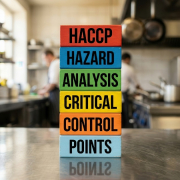
HACCP stands for Hazard Analysis Critical Control Point, which is a structured system kitchen managers use to identify and stop food safety risks before they happen. ServSafe food managers rely on these procedures to prevent foodborne illness during daily operations. Understanding this system keeps your Minnesota restaurant compliant and your customers completely safe.

Breaking Down the HACCP System for Your Kitchen

Every so often, you’ll come across the FDA’s own guidance on HACCP principles, which lays out the full seven-principle framework. The FDA requires HACCP plans for seafood and juice processors, and USDA has separate rules for meat and poultry plants. A Hazard Analysis Critical Control Point plan is a step-by-step roadmap for identifying where food hazards might occur and how to prevent them. While standard restaurants don’t always need highly detailed written plans, food-producing outlets and raw ingredient suppliers must follow these guidelines closely.

The basic outline doesn’t sound as complicated as it actually is. First, you evaluate potential hazards in production. Next, identify critical control points and establish controls to prevent those hazards. Next, set up monitoring procedures and keep accurate records to fix problems as they happen.

Applying These Steps in Real Minnesota Restaurants

Whether your facility follows a formal FDA system, these are practical steps every ServSafe manager should take daily. Every kitchen has potential hazards, from improper hot holding to the slow chilling of cooked products. You also face constant cross-contamination risks in storage areas or busy prep stations.

Once you identify those risks, it’s incredibly important to monitor them constantly. Routine temperature checks or verifying proper sanitation procedures at critical production points typically make up this monitoring.

Full management training makes it much easier to stay on top of these procedures. As a ServSafe Instructor, NEHA Registered Trainer, and Always Food Safe Instructor & Proctor, I can confidently say that ongoing education makes all the difference.

Minnesota professionals who take our 4-hour refresher before their current 3-year certification expires get to skip the exam completely, and if you book online, you can use code SFT10 for $10 off your onlin recertification. If you let it lapse, you’ll have to retake the entire 8-hour course and sit for the exam.

Frequently Asked Questions About Food Safety Plans

Here are a few common questions local kitchen managers ask about applying these safety systems.

Does My Restaurant Need a Written HACCP Plan?

HACCP ServSafe Food managers

Do your food safety managers meet the ServSafe HACCP requirements?

Most standard restaurants don’t need a formal, written HACCP plan just to open their doors. Minnesota health inspectors expect you to follow food safety basics like proper cooking temperatures and cold holding as part of routine operations. Written plans typically come into play with specialized processes like curing or smoking, since those carry extra risk if time and temperature aren’t tightly controlled. If your kitchen does anything in that category, check with your local health department before you start, since those processes usually require a documented variance.

How Does My Certification Training Connect to HACCP?

ServSafe training doesn’t hand you a formal HACCP binder. It runs on the same underlying logic: find the hazard, then control it. From there, you check that the control is actually working, day after day. When you check a walk-in cooler’s temperature every morning or log when the fryer oil gets changed, you’re running a simplified version of HACCP monitoring without ever calling it that by name. In a working kitchen, daily habits matter more than paperwork.

What is the most common critical control point in a standard kitchen?

Cooking raw animal proteins to their proper internal temperature is the most frequent critical control point you’ll manage. If a line cook doesn’t heat chicken to 165 degrees Fahrenheit, Salmonella can survive cooking. Checking the temperature with a calibrated thermometer is your daily monitoring step to keep the food supply safe.

Get Your Kitchen Staff Compliant Today

Our goal is to support you on your food safety journey, so let’s get your management team up to speed on the latest Minnesota Department of Health-approved practices. Call me at (952) 210-0195 or email info@safefoodtraining.com to discuss your specific training needs. You can also view our upcoming schedule and register your team right now at safefoodtraining.com, and don’t forget to use code SFT10 for $10 off any online recertification course.