Get your MN kitchen compliant with our state-approved Certified Food Protection Manager Training. We’re offering headache-free 8-hour initial courses and 4-hour renewals.

Minnesota Food Managers and Sourcing Wild Mushrooms

The Minnesota Food Managers and Sourcing Wild Mushrooms

The Minnesota Food Code is changing, and it’s not only going to affect the day-to-day duties of Minnesota food managers, but also change how they source and serve certain ingredients. One ingredient that is specifically targeted by upcoming regulation changes are wild mushrooms.
Minnesota Food Manager and Sourcing Wild Mushrooms

Image credit: maxpixel.net-CC0 Public Domain

Wild Mushrooms and Minnesota Food Managers

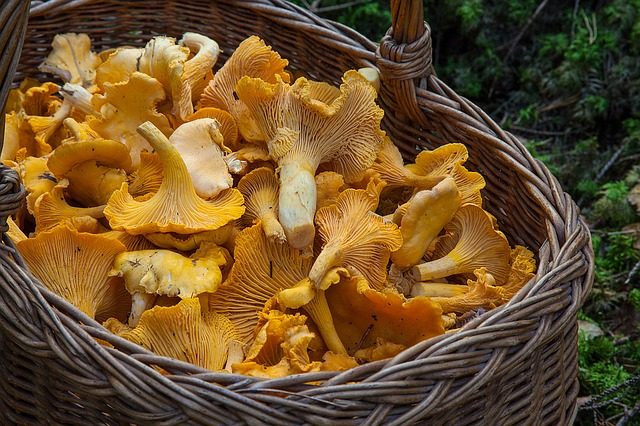
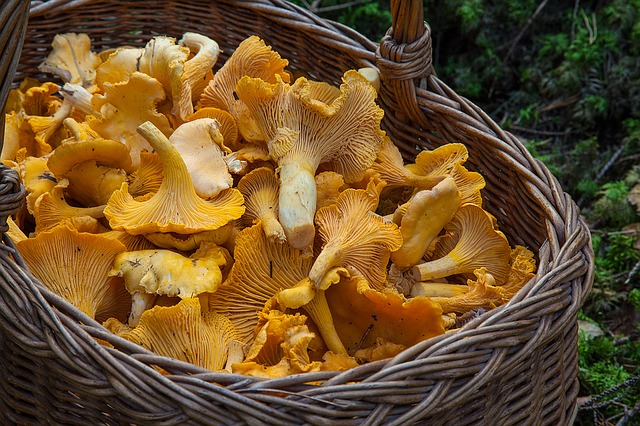
Before we begin our discussion, it’s important to understand the difference between wild mushrooms and other mushrooms. Most food managers source their mushrooms from major food service suppliers. These mushrooms are cultivated in facilities that fall under the jurisdiction of the appropriate local food regulatory agency. Some of these mushrooms can be the same species as those harvested in the wild, but are produced by food processing facilities. True wild mushrooms, however, come from the great outdoors and must be individually inspected by a verified expert in the field of mushroom identification.

Under proposed rule changes, food managers must keep a closer eye on where their mushrooms are coming from. Once these regulations go into effect, mushrooms must come from “registered harvesters or inspected food processing plants.” These new restrictions add an extra layer of food-safety by requiring licensed harvesters to take added responsibility for their product.

If your menu includes ingredients sourced from wild mushroom harvesters, make sure that your supplier is properly registered. This may help ensure that your product is safe and provide the health department more information in the event of food-borne illness as a result of tainted mushrooms.

Also included in this proposal is the requirement that facilities serving wild harvested mushrooms place a notice on their menus that mushrooms served were harvested at a site that has not been inspected. While your harvester may be fully registered, this notice is required to make consumers aware that their food has not passed the official inspections required for mushrooms produced in other facilities.

Do you serve wild mushrooms in your restaurant? If so, how do you feel about these new rule changes?

ServSafe Food Managers and Proposed Changes to Handwashing Stations

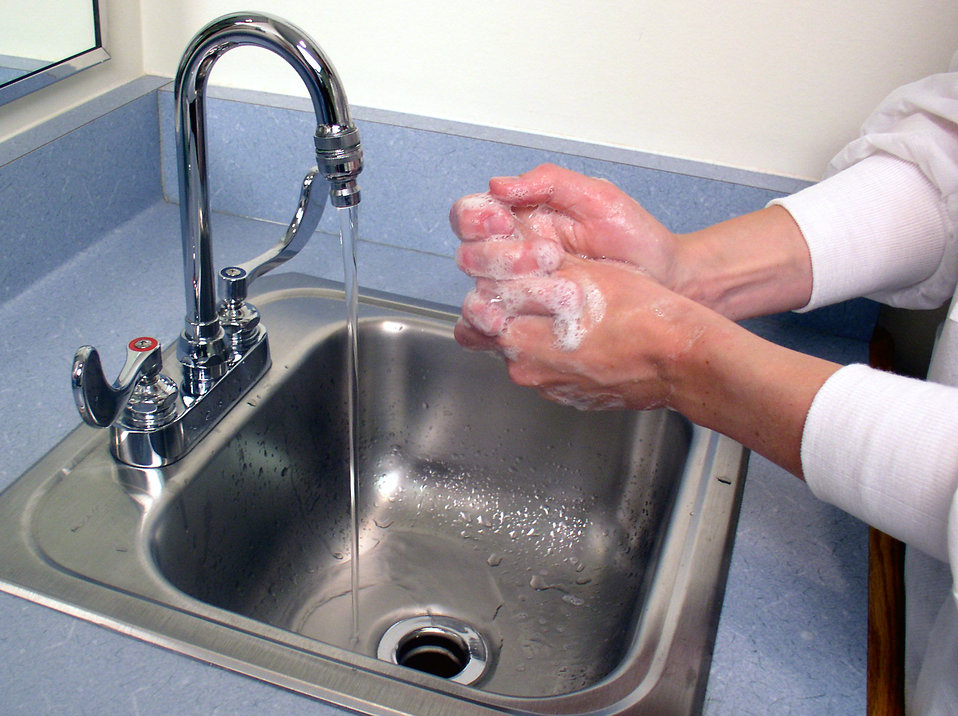
As we covered in a previous article, the Department of Health has proposed a few changes to the current health code to take effect sometime in the near future. Quite a few of these changes require ServSafe food managers to make changes to how they operate their kitchens and train their employees. This week, we’d like to take a look at the proposal to alter some of the requirements for employee handwashing stations.

ServSafe Food Managers and Proposed Changes to Handwashing Stations

Image credit: Public Health Image Library

Preparing for Changes to Regulations for Handwashing Stations

From a quick glance, we notice a few things in this proposal that ServSafe food managers should note:

  • Fingernail brushes will no longer be required
  • Heated-air or air-knife hand dryers will be allows at handwashing stations in kitchen areas
  • Handwashing signage at employee handwashing stations will be required rather than voluntary

Of these three changes, we note that only one of them involves taking away the requirement of a convenient handwashing tool. Once these changes go into effect, a nailbrush will no longer be required at your handwashing station. The reason behind this decision comes from the fact that while a clean nailbrush can be a great tool in sanitation, one that is not cleaned regularly can actually spread bacteria from one hand to another. If your nailbrush receives constant use without proper cleaning and replacement, you may be promoting a health hazard rather than preventing one.

While fairly common in restrooms, forced-air hand dryers rarely are seen in the kitchen. These new handwashing stations guidelines will allow for air-knife and heated-air hand dryers in kitchen areas. These hand dryers provide an economical solution over single-use paper towels, but they should be sanitized periodically to maintain a germ free drying solution. If your forced-air hand dryer contains an air filter, make sure to replace it regularly.

Finally, up until now handwashing signage at employee handwashing stations has been voluntary. The new rules require a handwashing procedure poster at each handwashing sink. This offers a visual reminder to your staff to wash regularly and properly.

Over the coming months, we will be diving into many of the new proposed rule changes. How do you feel about the proposed regulations concerning handwashing stations?

Taking a Break from Online Food Safe Training to Enjoy the Minnesota State Fair

August is upon us, and that means it is time for our yearly tradition of sneaking out of the classroom and checking out the sights, sounds and smells of the Minnesota State Fair. Every year at the fair seems to get bigger and better, whether you’re there to take in your favorite bands on the Grandstand Stage, view blue-ribbon winning livestock or find out which unique food items will be served deep fried from local vendors. In order to take a brief break from online food safe training, we’d like to share what we’re looking forward to this year.

food on a stick minnesota state fair

Image credit: Wikimedia Commons

What We’re Looking Forward to at this Year’s Minnesota State Fair

Minnesota has a rich and storied agricultural tradition, and this should be on display in force at this year’s state fair. Local ranchers will display their best beef and dairy cattle, while horse clubs will display their riding prowess during several events. Smaller barnyard creatures are always a favorite of young and old alike, and this year should be no exception as there is bound to be award winning animals of every kind.

We’d of course be lying if we weren’t looking forward to new offerings from local food and beverage vendors. This year, the fair is promoting many new food vendors serving their unique cuisine. While there are way too many new foods advertised for us to mention here, some items we look forward to sampling include:

  • General Tso Chicken Tacos
  • Deep Fried Irish Tater Kegs
  • Nordic Waffles
  • Just about anything served on a stick

Of course, no trip through food vendor row would be complete without a cold, frosty beverage, and this year’s options look promising with 27 new beer and specialty beverages debuting at this year’s Minnesota State Fair. With so many tempting food and beverage items, we’ll have to make sure not to fill up too much before hitting the thrill rides in Adventure Park.

We love our annual trip to the fair. What’s your favorite attraction?

Food Safety Manager and Health Inspector Interactions

Food Safety Manager and Health Inspector Interactions

There are times when running food safety manager courses when we hear a student ask how to deal with their local health inspector. We find that there are many misconceptions about the health department’s roll and what their goals are when they come to inspect food production facilities.  Let’s about the food safety manager and health inspector shared interest.

Food Safety Manager and Minnesota Health Inspector Interactions

Image Credit: Carroll County Health Department, Maryland.gov

The Food Safety Manager and Health Inspector Goals

We’ve heard some kitchen managers speculate that the health inspector is out to get them, and that their main purpose is to find as many violations as possible in order to shut restaurants down. We’d like to counter that this is absolutely not the case. The food safety manager’s goals should correspond with your local health department’s objectives.

As a Minnesota certified food manager, you are under an obligation to make sure that the food you serve is safe. The health inspector’s job is not to punish you for not following the health code to the letter, but to help you keep your food safe.

When the time rolls around for your inspection, provide any information your inspector needs to complete their task. Keeping all of your certification records in an easily accessible location goes a long way towards letting them get on with the inspection process. The inspector will greatly appreciate if you allow them to go about their tasks with minimal interference. They may have a question or request from time to time, so make sure that you make time to assist them when necessary. We suggest even walking along with them as they do the inspection if possible.

If they arrive during a busy shift, you’ll find that they’ll normally be more than patient and courteous enough not to interfere with your regular routine.

Once the inspection is complete, make sure that you go over the report before they leave. This is the ideal time to ask questions, seek advice for tricky food safety scenarios and get an overall report as to how well your facility protects its guests from food-borne illness.

Remember, both you, as a food safety manager and health inspector are working to achieve the same objective… keeping the food you serve to guests safe. Coordinating with an experienced professional such as your local health inspector can help you see your operation from a different perspective and refine your procedures.

How do you deal with your inspector when they visit your facility? Do you take time out of your day to interact with them, or do you let them go about their inspection as quickly as possible?