Fall Food Safety-soup

Fall Food Safety: Beyond the Pumpkin Spice

fall food safety for all ingredients.

From washing to temperature, use this guide for fall food safety to stay ahead!

As a Minnesota food professional, you know autumn brings a welcome change to our menus, featuring hearty squashes, crisp apples, and rich pumpkins. But let’s be honest, autumn’s culinary delights extend far beyond pumpkin spice lattes! While these ingredients are crowd-pleasers, they also introduce unique food safety challenges. Ensuring proper seasonal food safety from the moment ingredients arrive to the final dish is critical for protecting your customers and your reputation.

Proper Handling Starts at the Door

The first step in ensuring fall menu safety is to manage your seasonal produce deliveries with a critical eye. Fresh ingredients, such as pumpkins and squash, often arrive with soil and other debris from the field, which can carry harmful bacteria like Listeria and E. coli. A rushed receiving process that fails to catch these issues can introduce dangerous contaminants directly into your kitchen’s clean environment.

  • Inspect every delivery: Your Certified Food Protection Manager (CFPM) training emphasizes that the flow of food begins at the point of receiving. You must thoroughly inspect seasonal produce for signs of spoilage, mold, or physical damage. A bruised apple or soft-skinned squash can harbor bacteria that will spread quickly, and you have the right and responsibility to reject any products that don’t meet your standards.

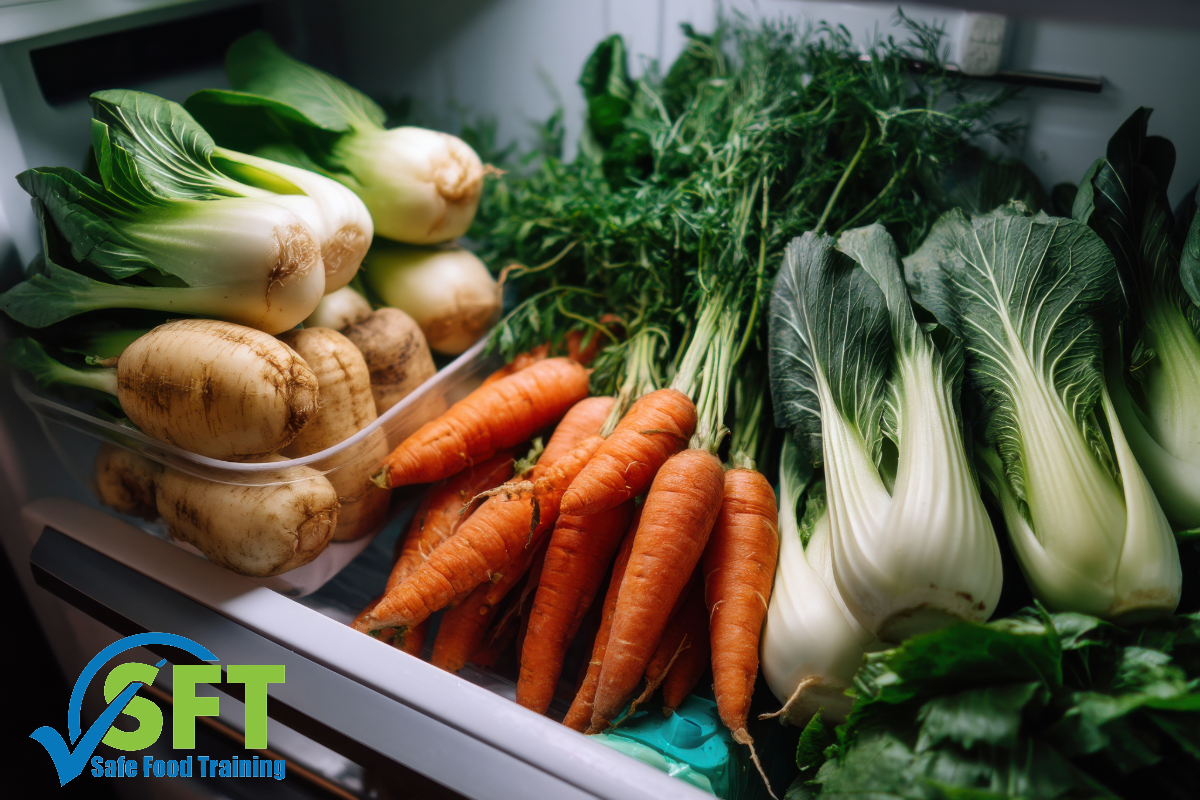
  • Prioritize storage: Root vegetables and hard squashes have different storage needs than delicate greens. They thrive in a cool, dry, and well-ventilated area, away from direct sunlight. It’s equally important to store them away from ready-to-eat foods to prevent cross-contamination. Storing raw squash below uncovered salads, for example, could allow field contaminants to fall onto food that will receive no further cooking.

  • Implement first-in, first-out (FIFO): It’s a basic but crucial rule that prevents waste and mitigates risk. Your team should properly date and rotate stock so they use older seasonal ingredients before new deliveries arrive. This simple process minimizes the risk of spoilage and mold growth, which can produce harmful mycotoxins even after cooking.

The Science of Washing and Preparation

Make sure to properly wash all produce!

Make sure to properly wash all produce!

Once inside, the beautiful harvest produce requires careful handling. The CFPM course covers the science of microbial growth, teaching us that a simple rinse is one of the most effective ways of removing physical and biological contaminants. Many people mistakenly believe that produce with a thick rind, such as butternut squash, which they plan to peel, doesn’t need washing. In reality, skipping this step allows a knife to transfer pathogens from the skin of a squash to the cutting board and interior flesh.

  • Wash Before You Cut: Always wash produce thoroughly under running water before peeling or cutting it. This crucial step prevents surface contaminants from being transferred by the knife to the edible portions of the food. It’s a simple action that breaks a primary chain of contamination.


  • Scrub Firm Surfaces: For firm-skinned produce like butternut squash or pumpkins, use a clean and sanitized vegetable brush to scrub the surface. This physical action dislodges stubborn, caked-on dirt and significantly reduces the microbial load, a key concept in preventing foodborne illness.


  • Sanitize Your Surfaces: After prepping raw produce, always follow the two-step process of cleaning and then sanitizing the cutting boards, knives, and prep areas. Cleaning removes food debris, but only a proper sanitizer will reduce pathogens to a safe level. This practice, stressed heavily in certification training, is essential to prevent cross-contamination.

Ready to renew? Check out our upcoming courses or sign up for online recertification today!

Mastering Hot Soups and Beverages

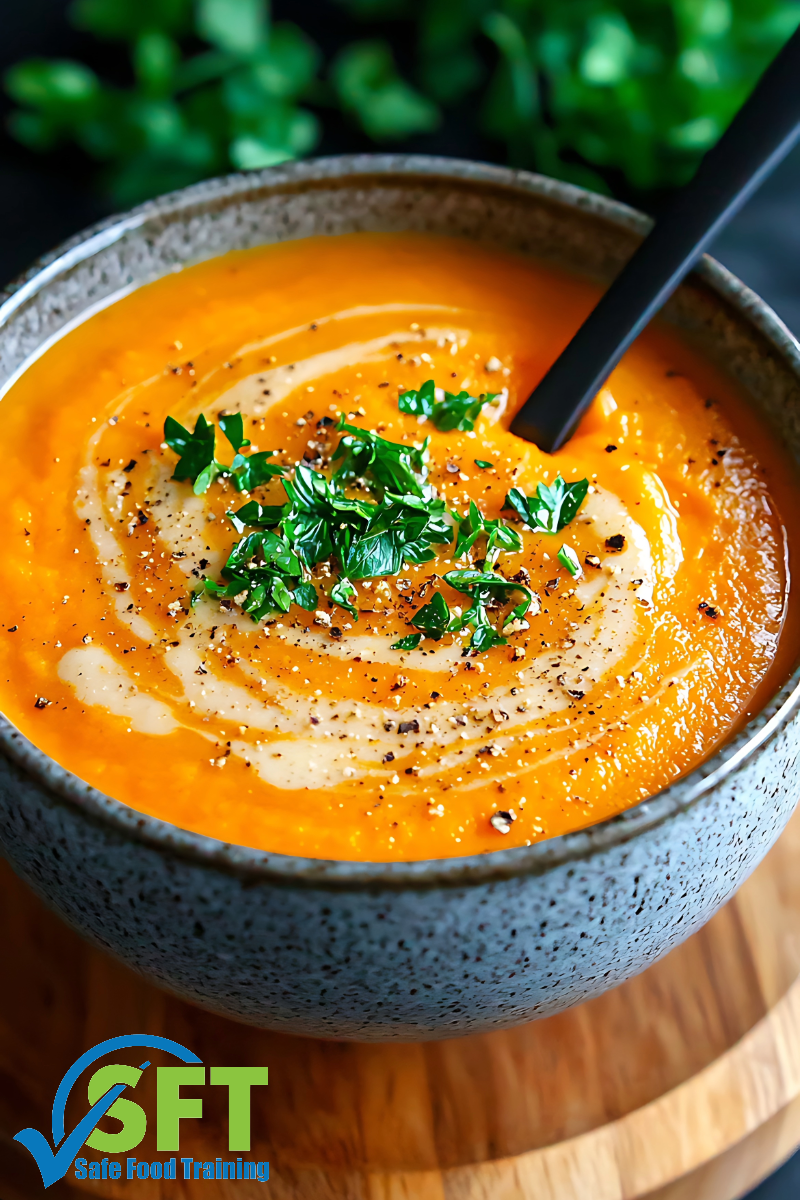
Nothing says autumn like a steaming bowl of butternut squash soup or a cup of hot apple cider. However, these popular items are often TCS foods (Time/Temperature Control for Safety foods) and require strict temperature management to prevent the growth of dangerous bacteria. Understanding the “why” behind these rules is a cornerstone of effective management.

  • Maintain the Hot Zone: The “danger zone” for food is between 41°F and 135°F, the ideal range where bacteria can double in as little as 20 minutes. Training teaches you to keep hot TCS foods at 135°F or higher. Use calibrated food thermometers and monitor your holding equipment frequently, as a malfunctioning steam table can pose a serious food safety risk.
  • Reheat Correctly: Bring a batch of soup to 165°F and maintain it at this temperature for 15 seconds within a two-hour period when reheating it for hot holding. Simply warming it up is not sufficient and creates a hazardous situation.
  • Cool Foods Rapidly: One of the biggest risks in a professional kitchen is improper cooling. Cool leftover soup or cider from 135°F to 70°F within two hours, and then from 70°F to 41°F or lower in the next four hours. Use approved methods, such as ice baths, ice paddles, or dividing hot liquids into shallow metal pans, to facilitate rapid cooling.
  • Document Your Process: A key part of a food safety management system is documentation. Keep temperature logs for both your hot-held items and your cooling procedures. This not only ensures that you are consistently practicing safe seasonal food handling practices but also provides critical evidence of your diligence during a health inspection.

Protect Your Customers and Your Business

Vigilant handling of fall ingredients is a non-negotiable part of your professional responsibility. Applying these principles shows a commitment to excellence and public health. Ensure you and your team are fully prepared to handle seasonal challenges by maintaining your food safety credentials.

Sign up for the next available Certified Food Protection Manager course near you.

.

Safe Food Training Christmas Jingle

Timely And Frightening Safe Food Training Christmas Poem

Twas the week before Christmas
And at the North Pole
Many Elves and dear Santa
Were not feeling whole

It looks like a virus
Shut down the workshop
Making Christmas this year
Start to look like a flop

Safe Food Training Christmas Jingle
Image credit: lopolo/123rf

What happened to us?
Santa wanted to know
As Reindeer and Elves
All threw up in the snow

A new kitchen elf
Was working while sick
and spread Norovirus
to the Elves and St. Nick

In the rush of the season
Good training was skipped
And not knowing the policies
Left our new elf ill-equipped

Luckily Santa
Is Magic you know
So he lifted the virus
With a fresh coat of snow.

This Holiday season
Lets have fun, joy and laugh
The magic you need
Is a highly trained staff

The staff at Safe Food Training wishes you a wonderful holiday season!!!

MN Certified Food Manager's Guide to Surviving New Year's Eve

Certified Food Manager’s Guide to Surviving New Year’s Eve

New Year’s Eve is coming, and that means that most restaurants, ballrooms, and catering companies will be at their busiest. The certified food manager must be extra vigilant in keeping every item served safe for their New Year’s Eve guests.

MN Certified Food Manager's Guide to Surviving New Year's Eve

MN Certified Food Manager’s Guide to Surviving New Year’s Eve

As a certified food manager of any outlet, it’s essential to remain in control during a busy day like New Year’s Eve.  Three crucial steps must be taken to guarantee that the food you serve is safe and of the highest possible quality.

  • Be prepared
  • Take time to monitor food production
  • Remain calm

Our first tip will help keep the food at your New Year’s Eve party safe and delicious. Ensure you have your line refrigerators fully stocked before service even begins. Most New Year’s events will last long into the night. Change hot-held sauces and buffet items after a maximum of four hours at 140 degrees. Adhering to this guideline is essential for ensuring food safety. Have your backup items staged and prepared for reheating before service to optimize efficiency. Having extra cold items ready can be a lifesaver during busy evenings. Change hot-held sauces and buffet items after a maximum of four hours at 140 degrees.

Proper temperature control is crucial during holiday events and should always be a priority. For buffet service, consider having your front-of-house manager or server monitor the temperatures of hot and cold items. Set a timer alert for every hour to check the temperatures of hot-held sauces and sides from your kitchen.

Remain Calm And In Control

Finally, stay calm and in control at all times. Mistakes happen when you’re in a hurry, and when it comes to food production, not taking the time to wash your hands or sanitize a cutting board properly can lead to dire consequences. Take the time to ensure that you cook all foods to the proper temperature, change your disposable gloves after every use, and follow all health code regulations throughout the night.

While days like New Year’s Eve can be stressful, they can also be fun with the right mindset and a lot of preparation. Remember to thank your staff for a job well done at the end of the night and reward them for their hard work. At Safe Food Training, we’d like to take this opportunity to thank you for following us throughout 2024 and wish you the best in the upcoming year.