Keep your MN kitchen running smoothly. We’re sharing real-world ServSafe & NEHA Best Practices to help you train staff and ace your next health inspection.
On January 16th of this year our friend and founder of Safe Food Training, Doug Nick passed away unexpectedly. Doug founded the company in 1998 and built it from the ground up. He retired from the business operations in 2011 but stayed active as an instructor for several years after that.
Doug founded Safe Food Training with the intent of providing an informative and productive learning environment that also was fun and interactive. He would often say people do not learn well when they are bored to tears. We adhere to those principals to this day.
Doug was a business partner, friend and mentor for me and I truly appreciate all that he did for myself and the business to assure it would continue to thrive.
There are a few people in your life who really make a huge and positive lasting impact. Doug Nick was one of those people in my life and I am forever grateful.
You are missed.
Tim Niles
https://minnesota.safefoodtraining.com/wp-content/uploads/2022/03/doug-nick-founder-of-safe-food.jpg1067800Christine Dantzhttps://minnesota.safefoodtraining.com/wp-content/uploads/2025/06/Remove-background-project-1024x614.pngChristine Dantz2022-03-28 14:35:362026-05-24 15:39:36A Tribute To Doug Nick Founder Of Safe Food Training
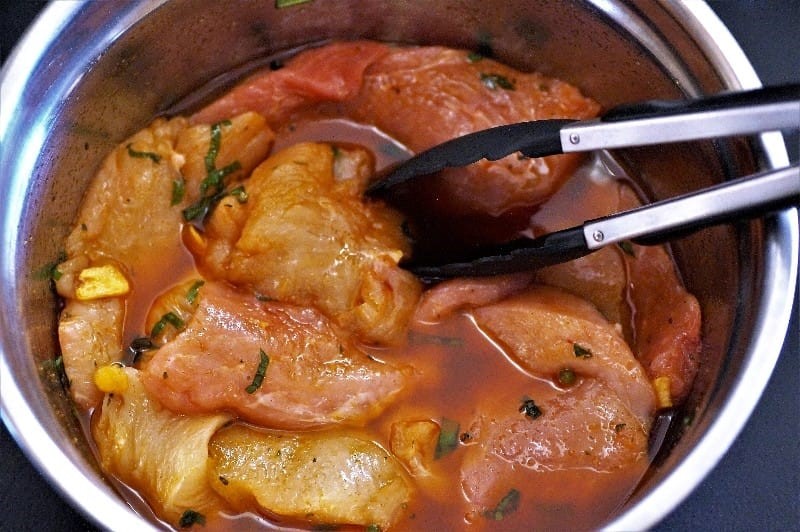
Marinades infuse meats, poultry and even vegetables with great flavors, but if you’re not careful they may also infuse your food with pathogens, bacteria and other contaminants that could sicken guests. As the saying goes, so it’s important to make sure that your extra flavor doesn’t come with a dose of illness. Let’s explore food safety training for pathogen-free marinades.
Image credit: pxfuel
Food Safety Training to Prevent Tainted Marinades from Causing Foodborne Illness
There are three major concerns when it comes to food safety training for bacteria-free marinades:
Cross-contamination
Spoiled Fresh Ingredients
Temperature Control
If you’re using the same marinade for multiple purposes, you run the risk of mixing two ingredients that may be required to be cooked to different temperatures. You’ll inevitably contaminate some ingredients if you mix multiple items in the same container. Meats and vegetables cook at different temperatures, and poultry requires a much higher final cooking temperature than most other raw foods. To avoid any type of cross-contamination, use a separate container to marinate different ingredients. It’s also a good food safety procedure to throw out marinades used for raw ingredients and start over each time you marinade new ingredients regardless of type.
If you make your own marinades in-house and make more than you need for any given day, make sure you take note of the shelf life of any fresh ingredients involved. Fresh ingredients spoil over time naturally and adding them to liquids can accelerate the process. Use proper labeling techniques to date all marinades and have a defined expiration date on all marinades and marinated product.
Temperature control can also sometimes be an issue with large batches of marinades. When soaking raw proteins, make sure that all ingredients are out of the danger zone, and don’t soak any protein at room temperature.
Finally, if you utilize dry rubs or marinades, you should still follow the same food safety procedures as wet marinades.
What’s the favorite marinade you use in your restaurant?
https://minnesota.safefoodtraining.com/wp-content/uploads/2022/03/how-to-food-safety-training-fo.jpg532800Christine Dantzhttps://minnesota.safefoodtraining.com/wp-content/uploads/2025/06/Remove-background-project-1024x614.pngChristine Dantz2022-03-23 09:33:582026-06-03 20:59:35How to Food Safety Training for Pathogen Free Marinades
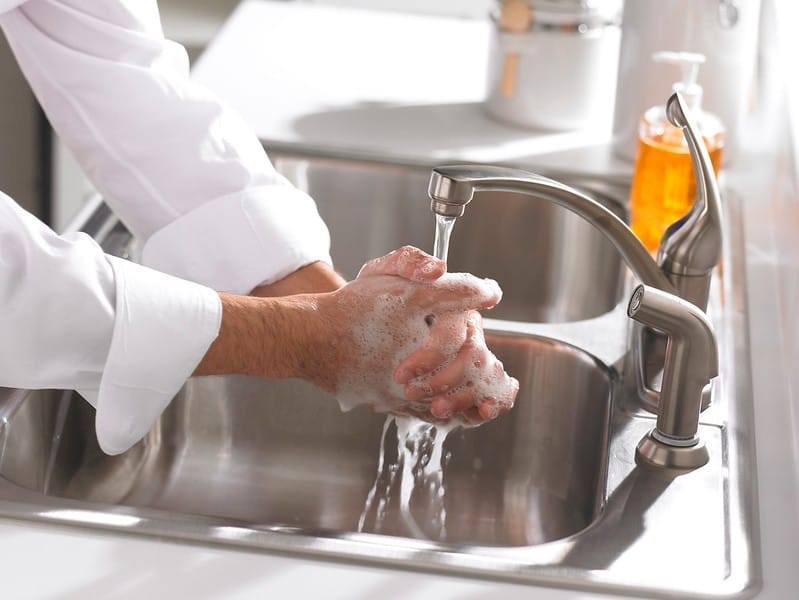
We talk a lot about proper handwashing procedures as the best foodborne illness prevention, but many times the areas surrounding handwashing sinks are overlooked by certified food protection managers. Let’s take a closer look at how CFPMs properly maintain the area around your handwashing sink locations.
Image credit: USDA via Flickr
How To Set up a Proper Handwashing Sink Location For CFPMs
CFPMs already train their staff on how to properly use and stock a handwashing station, but, as a quick review, remember your handwashing station should be supplied with:
Hot Water
Soap
Paper Towels of Air Dryer
Fingernail Brush
This is usually one of the first things covered in any online or in-person CFPM training course. What may be misunderstood is what the area surrounding your handwashing station should look like. There can be foodborne illness risks involved if your sink location isn’t properly arranged or installed.
First CFPMs should make sure, your handwashing sinks should be easily and immediately accessible. They should be in the food preparation areas and not located behind closed doors. If you block your handwashing sink with storage racks or other equipment, it serves little use if your staff cannot wash their hands. A restroom sink should also not be considered a handwashing sink as door knobs and handles may be contaminated if touched after washing your hands.
Another thing to consider is the relative location to preparation surfaces or clean dish storage. If your handwashing sinks are in close proximity to clean spaces in your kitchen, make sure that there is no risk of water or soap splashing on sanitary items or surfaces. Ensuring there is a gap between these areas and your handwashing station will reduce the risk of contamination from dirty water and handwashing soap.
Finally, CFPMs should avoid storing any food product or clean utensils above and below handwashing station. Doing so may increase the risk of contamination from dirty hands or water used in the handwashing process.
Have you taken the time to evaluate your handwashing stations?
https://minnesota.safefoodtraining.com/wp-content/uploads/2022/03/Announcing-A-CFPMs-Guide-To-Proper-Handwashing-Sink-Locations.jpg600799Christine Dantzhttps://minnesota.safefoodtraining.com/wp-content/uploads/2025/06/Remove-background-project-1024x614.pngChristine Dantz2022-03-14 06:52:002026-06-03 19:41:31Announcing A CFPMs Guide To Proper Handwashing Sink Locations
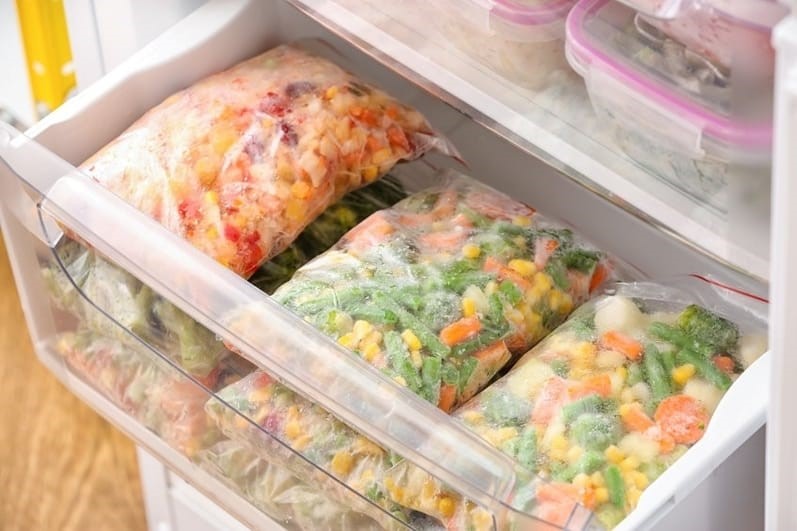
Having product prepared ahead of time can make for smooth service during the dinner rush and gives certified food protection managers time to concentrate on menu items that need to be prepared at the moment. If you rely on cooking hot foods in advance to be ready to reheat, it may be a good time for your certified food protection manager to review proper cooling procedures with your staff.
Image credit: serezniy via123rf
Cooling Times and Temperature Review for Certified Food Protection Managers
The key to making sure that cooling foods are kept safe from foodborne illness is to chill it as fast as possible so that it doesn’t stay in the danger zone for an extended period of time. Food that sits between 41 degrees and 135 degrees has an elevated risk of growing bacteria, especially if left at that temperature for over longer than is reasonable. If your food was prepared at room temperature, you have four hours for your product to reach 41 degrees. If foods are prepared at temperatures over 135 degrees, they must reach 70 degrees within two hours and 41 or below within six total hours from the start of the process.
MN food code and certified food protection manager training reinforces that this chilling process should happen as quickly as possible, so make sure you utilize the following methods:
Ice water baths
Separating liquid product into shallow hotel pans
Slicing solid product to portions four inches thick or less
Sanitized cooling wands
Rapid cooling equipment such as blast chillers
Adding ice as a final ingredient
If you don’t have access to a blast chiller, the fastest way to cool hot product is by reducing portion size and cooling it in your walk-in in shallow pans. If you want to expedite the process for soups, sauces and other liquids, you can add ice as the last ingredient of your recipe. This is quite effective for menu items that have a water or stock base, to begin with.
Ice water baths are also incredibly effective, and when combined with a frozen cooling wand, can bring your chilling product below 41 degrees rapidly.
Has your certified food protection manager taken the time to evaluate cooling procedures in your facility?