Keep your MN kitchen running smoothly. We’re sharing real-world ServSafe & NEHA Best Practices to help you train staff and ace your next health inspection.

Food Safety Training Tips

Excellent Food Safety Training Tips You Need To Know About Clean Refrigeration

You count on your refrigeration units to keep food cold, but neglecting food safety training for maintenance can result in much worse scenarios than malfunctioning equipment. Besides the hazards of food possibly being stored in the danger zone due to a poorly looked after walk-in; dirt, mold, mildew and other contaminants can come in contact with your product even if your cold storage is kept at the proper temperature. Let’s take a close look at some often overlooked aspects of refrigerator maintenance that can lead to foodborne illness risks and we will provide some food safety training tips to make your job easier.

Excellent Food Safety Training Tips You Need To Know About Clean Refrigeration
Image credit: Tracy Hunter via Flickr

Refrigeration Maintenance Tips for Food Safety Training

Most food businesses should already have a cleaning plan in place for the interior racks, walls and floors of their refrigeration units, but there are several aspects of refrigerators that are forgotten, especially in walk-in units. Every so often it’s important to clean and maintain refrigeration:

  • Door seals
  • Condensers
  • Drain lines

Cleaning the seals or gaskets of every refrigerator in your establishment will help keep warm air from outside forcing your equipment to work harder. Rubber seals can also be a breeding ground for mold, especially if your doors are not sealing properly. The condensation from the temperature difference inside and outside of your fridge could accelerate mold and mildew growth which could end up in your food. When you perform your regular interior cleaning, make sure to wipe down and sanitize your door seals and inspect for any damage which could be allowing warm air inside.

Condenser coils tend to collect dust and moisture creating an environment for contaminant growth that could fall into food product. Your food safety training should include a review of cleaning these coils at least once a month to prevent buildup. These coils can sometimes be behind a service panel or on the back of the compressor.

Drain lines are notorious for mold buildup due to the near-constant drip of condensation. Due to the complexity of cleaning these lines, we recommended you seek out a professional technician to service and clean your larger refrigerators once a year.

Have you taken the time recently to check on the cleanliness of your refrigerators? Do you have any additional food safety training tips for others?

New ServSafe Managers Guide to Seasonal Food Stands

New ServSafe Managers Guide to Seasonal Food Stands

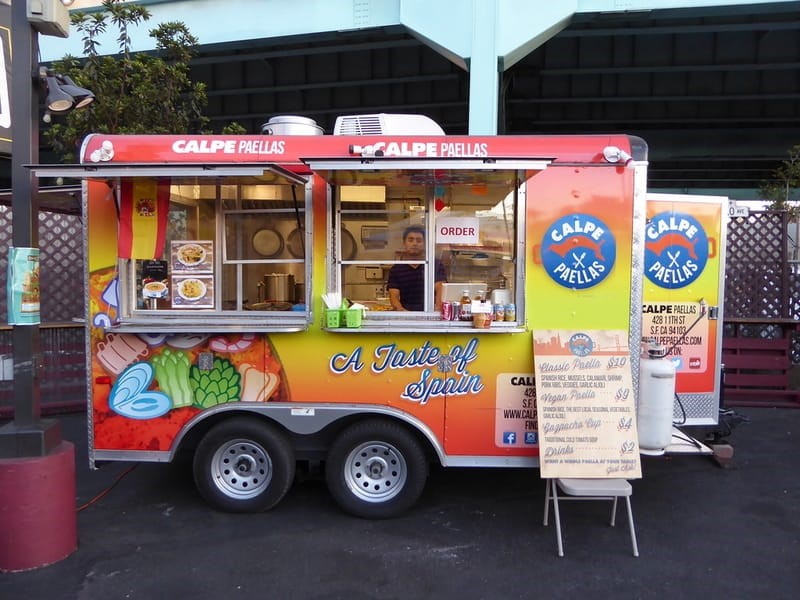
With the warmer weather approaching, many Minnesotans will be getting outside and attending events in the fresh air. Farmer’s markets, carnivals and other events are great opportunities for food businesses to showcase their product with seasonal food stands. Since these stands aren’t located at a restaurant or other indoor facility, there are some special rules that ServSafe managers should be aware of when planning their temporary outdoor eating establishment.

New ServSafe Managers Guide to Seasonal Food Stands
Image credit: duncan c via Flickr

How to Plan a Seasonal Food Stand for ServSafe Managers

In order to have an outdoor eating establishment approved, the operator cannot simply set up shop and begin cooking, regardless of their ServSafe certification status or if their home-base outlet is licensed. A detailed plan must be submitted at least 30 days before operations begin. Your plan must include:

  • Menu
  • Anticipated volume of ingredients and finished product
  • Layout and equipment specifications
  • Details on freshwater supply, waste removal and sanitation procedures

In order to gauge what permits or licenses are needed, your local inspector will need to know what type of food you’ll be serving. Grab-and-go items that are prepackaged or simple heat-and-serve meals have different requirements than freshly prepared food from raw ingredients. Lower volume seasonal stands may also have different licensing issues depending on location, so the anticipated volume can be a big factor during an inspection before opening.

ServSafe food managers also need to be very detailed when it comes to the layout and equipment used in the seasonal food stand. All equipment must still pass the same certifications for restaurant use as in your brick-and-mortar establishments.

The last part of a plan for Servsafe managers to use for a seasonal food stand should outline how water will be supplied and how the equipment will be sanitized. Fresh, clean water is a requirement for handwashing, sanitation, and any cooking procedure that involves water. A simple garden hose run from a nearby building won’t cut it. If you’re not using a portable handwashing and water supply station, make sure to investigate the source to see if it is approved for use in your temporary stand. If you have multi-use utensils, equipment for storage or serving items, a dishwashing plan must be in place. If you do plan on using these types of items, plan on having a triple sink with access to hot water available.

Are you planning on showcasing your food business at seasonal events this summer?

Founder of Safe Food Training

A Tribute To Doug Nick Founder Of Safe Food Training

On January 16th of this year our friend and founder of Safe Food Training, Doug Nick passed away unexpectedly. Doug founded the company in 1998 and built it from the ground up. He retired from the business operations in 2011 but stayed active as an instructor for several years after that.

Doug Nick Founder of Safe Food Training

Doug founded Safe Food Training with the intent of providing an informative and productive learning environment that also was fun and interactive. He would often say people do not learn well when they are bored to tears. We adhere to those principals to this day.

Doug was a business partner, friend and mentor for me and I truly appreciate all that he did for myself and the business to assure it would continue to thrive.

There are a few people in your life who really make a huge and positive lasting impact. Doug Nick was one of those people in my life and I am forever grateful.

You are missed.

Tim Niles

How to Food Safety Training for Pathogen Free Marinades

How to Food Safety Training for Pathogen Free Marinades

Marinades infuse meats, poultry and even vegetables with great flavors, but if you’re not careful they may also infuse your food with pathogens, bacteria and other contaminants that could sicken guests. As the saying goes, so it’s important to make sure that your extra flavor doesn’t come with a dose of illness. Let’s explore food safety training for pathogen-free marinades.

How to Food Safety Training for Pathogen Free Marinades
Image credit: pxfuel

Food Safety Training to Prevent Tainted Marinades from Causing Foodborne Illness

There are three major concerns when it comes to food safety training for bacteria-free marinades:

  • Cross-contamination
  • Spoiled Fresh Ingredients
  • Temperature Control

If you’re using the same marinade for multiple purposes, you run the risk of mixing two ingredients that may be required to be cooked to different temperatures. You’ll inevitably contaminate some ingredients if you mix multiple items in the same container. Meats and vegetables cook at different temperatures, and poultry requires a much higher final cooking temperature than most other raw foods. To avoid any type of cross-contamination, use a separate container to marinate different ingredients. It’s also a good food safety procedure to throw out marinades used for raw ingredients and start over each time you marinade new ingredients regardless of type.

If you make your own marinades in-house and make more than you need for any given day, make sure you take note of the shelf life of any fresh ingredients involved. Fresh ingredients spoil over time naturally and adding them to liquids can accelerate the process. Use proper labeling techniques to date all marinades and have a defined expiration date on all marinades and marinated product.

Temperature control can also sometimes be an issue with large batches of marinades. When soaking raw proteins, make sure that all ingredients are out of the danger zone, and don’t soak any protein at room temperature.

Finally, if you utilize dry rubs or marinades, you should still follow the same food safety procedures as wet marinades.

What’s the favorite marinade you use in your restaurant?