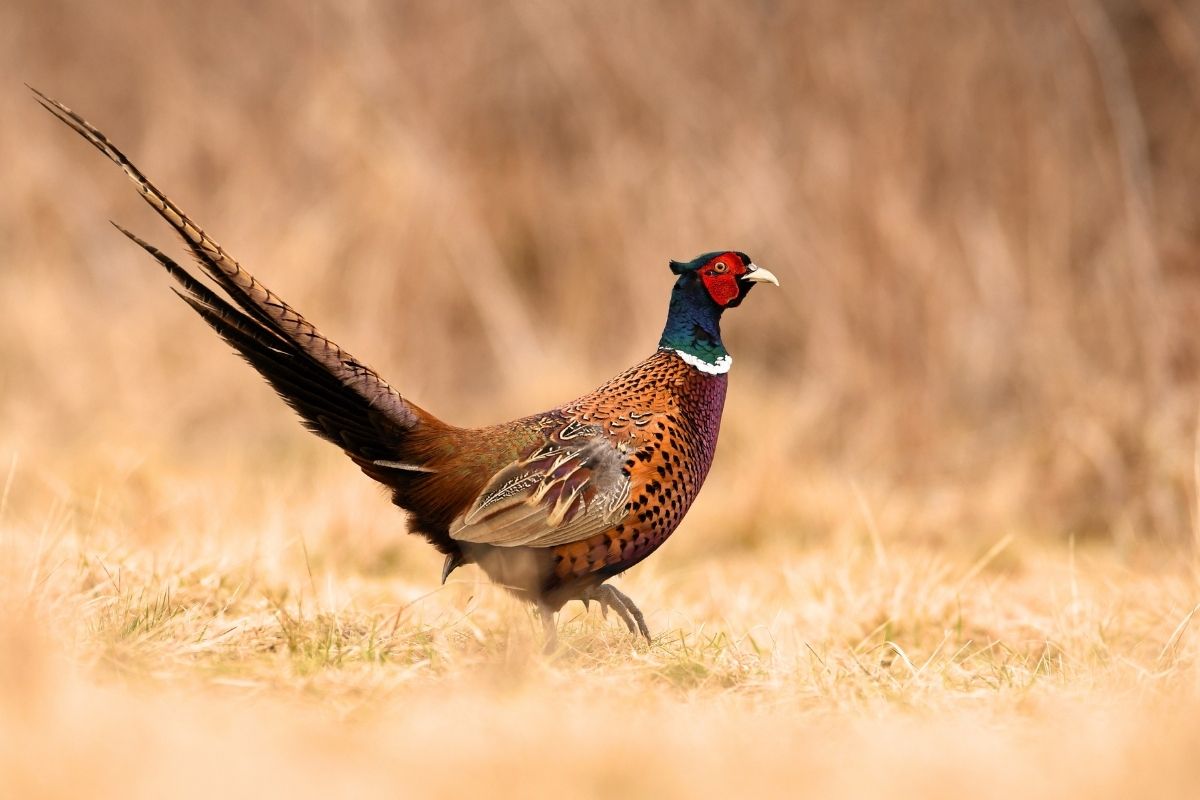
Can Minnesota establishments serve wild game? No.
Serving wild game in a Minnesota restaurant is almost always off the table, because hunter-harvested venison, pheasant, and bear can’t legally be sold as food here. The one exception is donated game served by a registered charity, and it comes with strict rules. If you’re the ServSafe food manager on shift, officially the Certified Food Protection Manager (CFPM), you make that call.
What Minnesota Hunting Season Means for Your Kitchen
Pheasant season opened October 10 with the Governor’s Pheasant Hunting Opener in Northfield, and game coolers are showing up at kitchen back doors. Firearms deer season opens November 7, and the DNR requires sampling for chronic wasting disease (CWD), a fatal deer brain disease, on deer taken in southwest Minnesota that weekend that are a year or older. It’s also testing north of Stillwater after a positive wild deer turned up this summer.
What the Minnesota Food Code Says About Wild Game
Game animals are approved for use in a food establishment under Minnesota Rules 4626.0160 only if they come from an inspected source or qualify for a narrow charity exception.
Commercially Raised Game Is Fair Game
Farm-raised elk, bison, and venison can go on your menu if they come from a USDA- or Minnesota Department of Agriculture-inspected program. Cook whole cuts to 145°F for 15 seconds, and ground game to 155°F.
Hunter-Harvested Game Stays Out of Your Kitchen
Say a regular brings in backstraps from Opening Weekend. The answer’s no, even if the plate’s on the house. Venison cut at a custom-exempt processor, the kind of shop that butchers for hunters, comes back labeled “NOT FOR SALE,” and the Minnesota Department of Agriculture says it can’t be used in a food facility at all.
The Charity Wild Game Dinner Exception
Fall game feeds are a Minnesota tradition, and the food code allows them. Lawfully taken wild game donated to a state-registered charity is approved when:
-
Only pure wild game is donated.
-
The animal was field dressed within 2 hours of harvest.
-
It’s cleaned, stored, and processed in a licensed establishment.
-
A written sanitation standard operating procedure (SSOP), a step-by-step plan to prevent cross-contamination, is in place.
For event-day planning, see our tips for hosting down-home wild game dinners.
Why 165°F Matters for Wild Game
Donated wild game must hit 165°F for 15 seconds, and bear meat shows why. It can carry Trichinella, a parasitic roundworm. In 2022, Minnesota health officials traced illnesses to bear meat frozen for 45 days, then served rare. The bear strain survives freezing, so only thorough cooking reliably kills it. Trust a calibrated thermometer, not color.
Controls Every ServSafe Food Manager Should Put in Place
Catering a charity game dinner? Build these steps in first:
-
Confirm the charity’s registration and donor records.
-
Request CWD results for any deer taken in a sampling area.
-
Store wild game below ready-to-eat food and label it clearly.
-
Log the final cook temperature for every batch.
Frequently Asked Questions About Serving Wild Game
These come up in our classes every hunting season.
Can a hunter donate venison to a restaurant instead of a charity?
No. The food code exception covers only game donated to a state-registered charity, so a restaurant can’t accept it directly.
Can we buy farm-raised venison from out of state?
Yes, if it was raised and processed under USDA inspection. File the supplier’s proof with your receiving records.
Can a nonprofit charge for a wild game dinner?
Yes, under Minnesota Statutes 97A.510, if the game’s served on site and no ducks or geese are on the menu. Keep donor records for two years.
Does cooking venison kill chronic wasting disease?
No. Cooking doesn’t destroy the prions (infectious proteins) behind CWD, so the CDC advises against eating meat from a deer that tested positive. Hunters can check results at mndnr.gov/cwdcheck.
Does the ServSafe Food Manager exam cover Minnesota’s wild game rules?
It covers national food safety principles. Our Minnesota Department of Health-approved courses, taught by a ServSafe Instructor, tie them to the Minnesota Food Code.
Get Your Kitchen Staff Ready for Game Season
 Safe Food Training has trained food protection managers across Minnesota for over 30 years, and you’ll find in-person and online CFPM classes on our course schedule at safefoodtraining.com.For questions about your next game feed, call (952) 210-0195 or email info@safefoodtraining.com.
