Does your ghost kitchen need a CFPM?
The ghost kitchen industry has exploded, with the global market valued at USD 71.12 billion in 2024 and forecasted to reach USD 145.54 billion by 2030. From massive virtual brands to a single commissary over in the North Loop, pumping out everything from classic Jucy Lucys to vegan bowls, this delivery-only model is everywhere. Even established corporate chains are now operating separate virtual concepts out of their existing back-of-house operations.
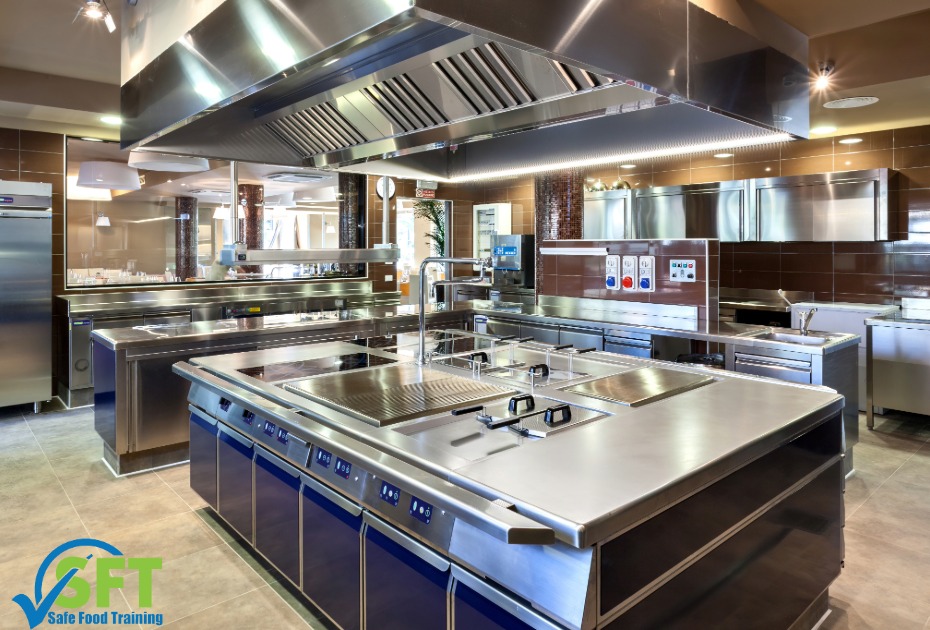
But operating without a traditional dining room doesn’t exempt your business from the health code. Health inspectors scrutinize these delivery hubs just as heavily as traditional sit-down restaurants. Every commercial kitchen needs a Certified Food Protection Manager on staff to legally operate, no matter how the food reaches the customer.
The Delivery Danger Zone
When you hand off a hot meal to a third-party delivery driver, you immediately lose control of the food’s environment. You have to maintain safe holding temperatures right up until that bag leaves your door.
If a driver is running late, you cannot just leave a hot order sitting on an unheated counter near the exit. The clock starts ticking the moment your food enters the danger zone (41°F to 135°F). If a hot order of cheese curds sits waiting in a freezing sub-zero Minnesota winter or baking in a hot car in July, bacteria multiply rapidly in those lukewarm delivery bags.
Shared Space Hazards in Commissaries
Many ghost kitchens operate out of large, shared commercial commissary spaces to keep overhead low. Sharing a facility with four other distinct restaurant concepts introduces massive cross-contamination risks.
You must establish strict boundaries in accordance with the storage hierarchy. If you run a virtual wing concept, your raw poultry must always be placed at the absolute bottom shelf of the walk-in cooler. It can never sit above the ready-to-eat greens for your neighbor’s salad brand. Simple habits, like using color-coded cutting boards and separating prep tables, are your best defense against an outbreak that could shut down the entire facility.
Master the Rules with CFPM Certification
Earning your CFPM certification proves you know how to handle these modern dining hazards and protects your business from costly health code violations. In our classes, we teach you exactly how to master the strict two-stage cooling process—dropping food from 135°F to 70°F in two hours—so you can safely prep large batches of chili for your delivery menu.

Is your kitchen prepared with CFPN Fresh Market?
If you are local, you can join our in-person classes hosted at multiple locations across Minnesota, including our Bloomington and Maple Grove spots. If you operate outside of Minnesota, we highly recommend our online classes for easy certification from anywhere. Our flexible online training satisfies the requirements for any state that requires a certified food safety protection manager on-site.
Common Questions About Ghost Kitchen Safety
Managing a delivery-only kitchen raises plenty of practical questions for modern operators. Let’s cover the most frequent issues our students face when setting up their ghost kitchens.
How do you safely package hot food for delivery?
Always use high-quality, insulated containers that vent steam so the food doesn’t get soggy, while still trapping the heat at a safe 135°F or above. You must also use tamper-evident stickers on every bag to prevent bare-hand contact and stop pathogens like Norovirus in their tracks.
Do food delivery drivers need food safety training?
Typically, third-party delivery drivers do not need a food safety license. Because of this, the health department squarely places the burden of safety on you to package properly and hold that food above 135°F or below 41°F prior to handoff.
What happens if a customer gets sick from a ghost kitchen order?
The health department will trace the illness back to your specific commissary stall, which is why tracking your food is a huge part of Active Managerial Control. You must have detailed temperature logs and a clear paper trail showing exactly how you handled that order before handing it to the driver.
Protect Your Delivery Business Today
Running a modern kitchen requires staying a step ahead of the health inspector. Whether you need to certify your entire commissary staff or just need to renew your own license, we are here to help. Reach out to Safe Food Training directly at (952) 210-0195 or info@safefoodtraining.com, and we’ll get you booked into the right class at safefoodtraining.com today.