A severe Cyclospora outbreak that started in Michigan has exploded, and just as we warned in our initial alert on this fast-moving threat, supply chains move incredibly fast. We are now looking at over 22,000 reported cases nationwide, and tragically, this wave has already resulted in two deaths. When you’re managing a busy kitchen, it’s easy to assume an out-of-state alert won’t affect your daily prep.
But contaminated greens can travel over 600 miles and reach a Minnesota prep table in under 48 hours. A bad batch of produce harvested on a Monday can easily sit in your St. Paul walk-in cooler by Wednesday morning. Kitchen managers must strictly verify their sourcing and enforce rigorous receiving protocols immediately to protect customers from these microscopic threats.
The Reality of Interconnected Supply Chains
Supply chains cross state lines overnight, transforming a localized issue into a national crisis involving tens of thousands of people. This microscopic parasite is notoriously difficult to wash off delicate leafy greens and fresh herbs. This makes cross-contamination a massive risk during a Friday rush.
As an experienced kitchen manager, I know how easily prep cooks can rush their washing routines when tickets are printing non-stop. You can’t let that happen. You must treat incoming produce with the exact same caution you apply to raw poultry. If a massive supplier experiences a contamination event hundreds of miles away, that ripple effect hits local distributors across the country within days.
Why Minnesota Consistently Stays Safe
There’s a very clear reason Minnesota consistently records one of the lowest levels of foodborne illness outbreaks in the country. We rarely see our local restaurants caught up in these massive, multi-state alerts. Even with 22,000 cases nationwide, our state remains highly protected and largely untouched by this specific wave.
Help keep Minnesota safe!
That success isn’t an accident. It’s the direct result of our state’s rigorous certification standards and mandatory continuing education requirements. The hard work you put into training your staff actually works. As a NEHA Registered Trainer and an Always Food Safe Instructor & Proctor, I see firsthand how dedicated local managers are to keeping their dining rooms safe.
Keeping Your Certification Current
Professionals must complete continuous education to stay updated on specific, fast-moving threats. Don’t forget that Minnesota professionals who take our 4-hour recertification refresher before their current 3-year certification expires get to skip the exam completely. Letting your license lapse means you’re stuck retaking the entire 8-hour exam. Taking that short refresher is the absolute easiest way to keep your team informed. I teach Minnesota Department of Health-approved courses that tackle real-world issues exactly like this outbreak.
Here are a few common questions we’re hearing from local kitchen managers regarding safe produce handling right now.
What exactly is Cyclospora?
Cyclospora is a microscopic parasite that causes a severe intestinal infection called cyclosporiasis. People generally get sick by consuming food or water contaminated with infected feces, which often happens in agricultural fields where fresh produce grows.
Does washing produce remove the parasite?
Washing helps remove dirt and some surface contaminants, but it’s very hard to wash Cyclospora completely off leafy greens or berries. This is why purchasing from reputable, transparent suppliers and paying close attention to national alerts acts as your primary line of defense.
Can hand sanitizer kill Cyclospora on the prep line?
No, standard alcohol-based hand sanitizers do not effectively kill parasites like Cyclospora. Your staff must wash their hands thoroughly with soap and warm water after handling unwashed produce to prevent spreading the parasite to other ready-to-eat foods.
Protect Your Customers Today
You can’t control the national supply chain, but you can control how your team handles incoming produce. Give us a call at (952) 210-0195 or register to get your staff up to speed by visiting our upcoming course schedule. Register for your next class today to keep your kitchen compliantand your dining room safe.
https://minnesota.safefoodtraining.com/wp-content/uploads/2026/08/Cyclospora-Outbreak-Protecting-Your-Minnesota-Kitchen-from-Fast-Moving-Produce-Threats-1.jpeg630930Jeff Websterhttps://minnesota.safefoodtraining.com/wp-content/uploads/2025/06/Remove-background-project-1024x614.pngJeff Webster2026-08-06 07:32:282026-08-09 17:01:02Cyclospora Outbreak: Protecting Your Minnesota Kitchen from Fast-Moving Produce Threats
https://minnesota.safefoodtraining.com/wp-content/uploads/2026/07/The-4000-Case-Cyclospora-Outbreak-How-to-Protect-Your-MN-Kitchen-from-the-Parasite-1.jpeg630930Jeff Websterhttps://minnesota.safefoodtraining.com/wp-content/uploads/2025/06/Remove-background-project-1024x614.pngJeff Webster2026-07-14 20:05:352026-07-23 07:13:25Nearly 7,000-Case Cyclospora Outbreak: How to Protect Your MN Kitchen from the Parasite
According to a recent CDC survey, 1,600 people nationwide have been sickened by a parasite known as cyclospora since May 1st. Cyclospora isn’t commonly discussed throughout the food industry, and most outbreaks are often traced back to food and water consumed internationally. Due to the high number of recent domestic cases, some in our state, some in MN, we created a Servsafe guide to cyclospora illness in Minnesota.
Our Servsafe guideline to identifying Cyclospora are common symptoms such as:
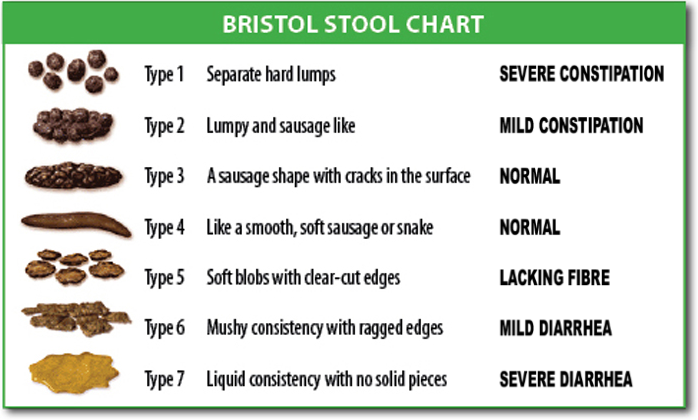
Watery diarrhea (most common)
Nausea
Loss of appetite
Fatigue
Cramping
Bloating
Increased gas
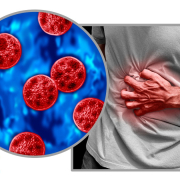
Image credit: Wikipedia
ServSafe and the Prevention of Cyclospora Illness
Cycloporiasis is an intestinal illness caused by a parasite. This parasite is spread through contaminated food and water and has an incubation period of approximately two weeks, making it difficult to trace.
This parasite is spread through food contaminated with fecal matter. There can be a few ways that food can become contaminated:
Food prepared by unwashed hands
Food that has come in contact with sewage backup
Raw ingredients grown on farms with infected water supplies
ServSafe guidelines to prevent Cyclospora recommend CFPMsmust closely monitor and enforce handwashing policies in their facility. If one of your staff unknowingly carries the cyclospora parasite and fails to properly wash their hands after using the restroom, they could spread ill effects to your guests.
It should be common sense, but ServSafe managers need to be very careful whenever there are plumbing or sewage issues in their place of business. Even a small amount of contaminated water can infect food, leave parasites on boxes, equipment and food preparation surfaces. Always take care to dispose of the exposed product, sanitize work areas and ensure a clean working environment after any of these issues.
There are times where the spread of parasites may be out of your control. Make sure that you follow Servsafe protocol to inspect and wash all raw produce before using. If you or your staff handles unwashed produce, remember to wash your hands afterward. Dirty produce can transfer parasites and bacteria to your hands and potentially infect your guests if you neglect proper handwashing.
Are there any other foodborne illnesses you feel food safety community neglects?
https://minnesota.safefoodtraining.com/wp-content/uploads/2019/09/ServSafe-Guide-to-Cyclospora.png420698Christine Dantzhttps://minnesota.safefoodtraining.com/wp-content/uploads/2025/06/Remove-background-project-1024x614.pngChristine Dantz2019-09-16 17:43:072026-05-24 12:34:28ServSafe Guide to Cyclospora Illness