
Your grease traps and hood vent filters must be emptied regularly. Cleaning the areas where grease collects is vital to prevent grease overflow. Food safety is the prime reason we discuss grease contamination in ServSafe Managers training courses and we want to provide tips for grease collection sanitation.
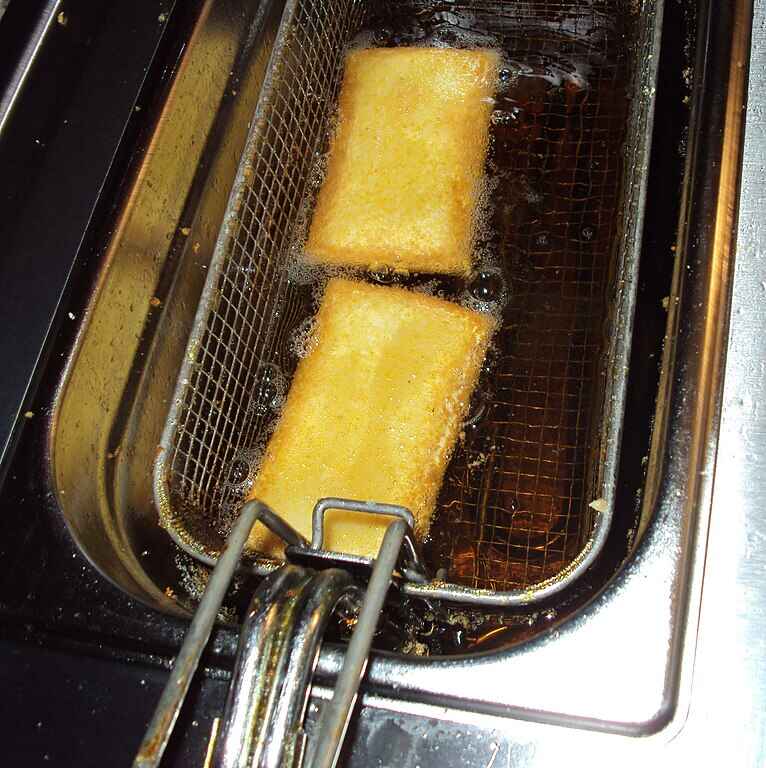
Grease collects on the outside of your deep fryers, and the traps on your flattop grill. In addition, it can also build up in the filters of your hood vent system. It can potentially create food hazard risks by:
First, grease attracts three common kitchen pests. Greasy areas are a preferred food source and breeding grounds for fruit flies, common flies and cockroaches. Fruit flies can become especially troublesome. They can gain sanctuary in greasy areas and spread to the rest of your facility.
One common misconception ServSafe Managers have with grease collection sanitation is since it has already been heated on the stovetop or grill, it cannot be a severe foodborne illness risk. The grease in your traps and hood vents contains elements of the food that you have cooked and essentially lives in the danger zone 24 hours a day. Basically, if you have excessive grease anywhere in your facility, you have created perfect growing conditions for bacteria that can potentially end up in your guest’s food.
There are simple solutions ServSafe Managers can use to keep food safe from grease contamination. First, empty and clean your traps a vent filters often. Secondly, make sure that your overhead hood vent filters are completely dry before replacing them. Allowing water to drip from them onto your cooking surface can create safety hazards above deep fryers and cross contamination issues if the water drips onto food. Lastly, take the time each day to clean areas where fryer oil and other greasy food components are prepared. This will prevent buildup and make thorough cleaning easier.
Like many foodborne illness concerns, simple sanitation is the easiest was to keep your guests safe. What simple tasks do you feel are important to prevent small issues from becoming major problems?

Estimated reading time: 2 minutes
Sometimes, major foodborne illness outbreaks, like those involving romaine lettuce over the past few years, grab national attention, but more often than not these outbreaks fly under the radar of the average certified food protection manager. Unwittingly serving ingredients that have been tainted is a real danger in the food industry, so is there any way that CFPMs can keep track of widespread foodborne illness risk?
Thanks to a recently developed FDA tool, certified food protection managers (CFPMs) can periodically check the latest news regarding widespread outbreaks. This tool makes it easy to find the information you need to know about tainted product that may have been widely distributed. From this chart, you can find:
Just one quick look will tell certified food protection managers if ingredients in their inventory have been subject of an outbreak investigation, and with a few clicks you can even see where the actual product came from and if it’s been recalled.
Besides FDA outbreak and investigation information, you can easily access CDC and FSIS outbreak incidence reports. Before the FDA developed this resource, you’d have to search all three agencies’ sites for all the intel concerning large outbreaks in the United States. Multi-agency information is now conveniently available at certified food protection managers’ fingertips.
Is having easy access to foodborne illness outbreak information something you find helpful in keeping the food you serve safe?