Posts

jalapeno recall for salmonella

Chipotle Pulse: Minnesota Jalapeños Linked to Salmonella Outbreak ??
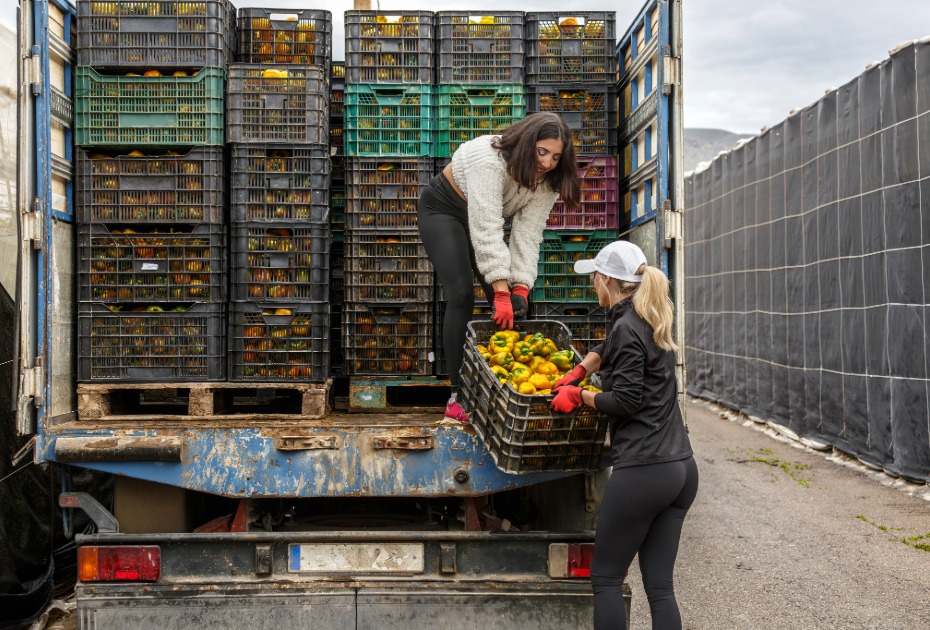
If you manage a busy kitchen in Minnesota, you probably saw the news about the Salmonella outbreak tied to fresh jalapeños at state Chipotle locations. Dozens of people fell ill, proving how fast foodborne illness spreads. We’re tracking this situation so you have the facts needed to protect your customers.

The Details: What We Know Right Now

The Minnesota Department of Health (MDH) is investigating a cluster of Salmonella cases linked to eating fresh jalapeños at various Chipotle restaurants. While they pin down the specific supplier, this outbreak highlights the inherent risks of handling fresh produce.

Fresh produce easily becomes contaminated when grown close to the ground, and washing it isn’t always a foolproof solution. If the contamination makes its way inside the plant tissue, simply rinsing the surface won’t eliminate the risk.

Why Jalapeños Pose a Specific Risk

Jalapeños have a textured surface that easily harbors bacteria. Kitchens often serve them raw or lightly cooked, which means there isn’t a kill step, like applying high heat, to destroy potential pathogens. It’s up to your staff’s handling practices to keep things safe on the prep line.

Protecting Your Minnesota Kitchen

Protecting your kitchen.

Get Safe food training in Minnesota.

What can you do today to minimize the risk in your own operation? It comes down to revisiting your core food safety protocols.

  • Supplier Verification: Know your suppliers. Confirm they adhere to Good Agricultural Practices (GAPs), which are voluntary audits verifying that farms pack and handle fruits and vegetables safely.
  • Receiving Procedures: Inspect all incoming produce carefully. Look for signs of spoilage or improper temperature control during transport. If it looks questionable, reject the delivery.
  • Cross-Contamination Prevention: Treat raw produce with the same caution you would raw chicken. Use separate cutting boards and prep areas for raw produce and ready-to-eat foods.
  • Temperature Control: Keep cut produce properly refrigerated. The danger zone (41°F – 135°F) allows bacteria to multiply rapidly.

More Minnesota Kitchen Resources

Food safety goes far beyond produce prep. Take a second to share these quick refreshers with your staff this week to keep your whole operation compliant:

The Importance of Ongoing Training

An outbreak like this is a sobering reminder that food safety requires constant education. As a ServSafe Instructor, a NEHA Registered Trainer, and an Always Food Safe Instructor & Proctor, I’ve seen firsthand how well-trained staff prevent minor slip-ups from becoming major health hazards.

If your staff needs training, remember to check their expiration dates. Minnesota professionals who take this Minnesota Department of Health-approved 4-hour refresher before their current 3-year certification expires get to skip the exam completely. Letting it lapse means they’re stuck retaking the entire 8-hour exam!