
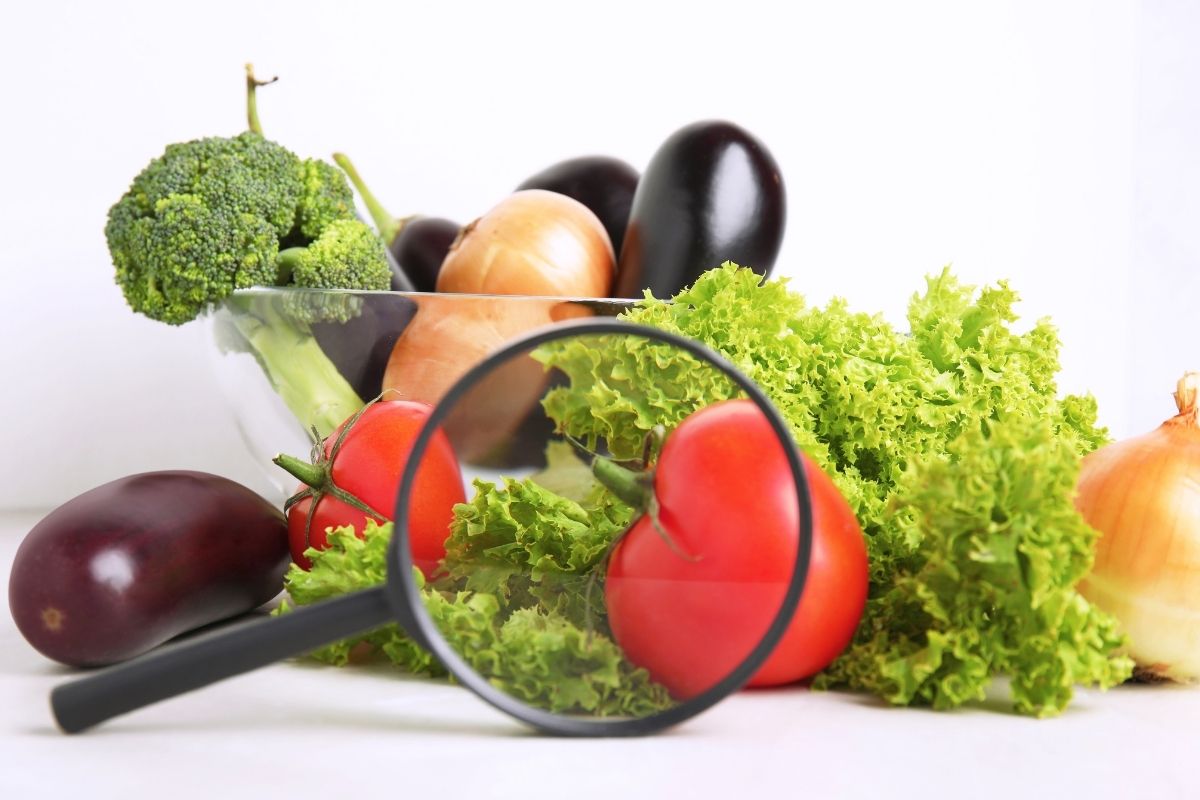
listeria can hide in fruits and veggies, ruining any meal.
Listeria is one of the few foodborne germs that keeps growing in your walk-in cooler, so the latest ServSafe guidelines lean hard on cold holding and date marking. New Listeria outbreaks are still turning up this year, and Minnesota had cases in two of the biggest recent ones. Here’s how to keep it off your prep line before the holiday rush.
Why Listeria Is Different From Other Bacteria
Listeria lives in soil and animals, so it can hitch a ride on raw meat and produce. Once it’s on sliced turkey in your reach-in, it can keep multiplying without changing how the meat looks or smells.
Recent Listeria Outbreaks
As of October 15, the FDA lists 3 active Listeria outbreaks, with 68 people sick and no food yet identified. The largest, posted September 23, has 46 cases.
A 2025 outbreak tied to grocery store pasta meals sickened at least 27 people in 18 states, including Minnesota. At least 6 died, a warning for grab-and-go kitchens.
Boar’s Head (61 cases and 10 deaths in 2024) remains the benchmark, and our recall breakdown includes the details.
ServSafe Guidelines for Controlling Listeria
Jeff Webster, our ServSafe Instructor and NEHA Registered Trainer, teaches these Minnesota Department of Health (MDH) controls in each class.
Hold Cold Food at 41°F or Below
A 41°F cooler only slows Listeria down. Probe food temps every shift instead of trusting the door dial.
Date Mark Ready-to-Eat Food
Ready-to-eat TCS food, meaning time/temperature control for safety foods like deli meat and chicken salad, can be kept up to 7 days at 41°F or below. Day 1 is the day you prep it or open the package. Time in the freezer doesn’t count toward the 7 days.
Clean the Slicer Every 4 Hours
Minnesota’s food code generally requires you to clean equipment used with TCS food at least every 4 hours. At a Duluth grocery deli or St. Paul sandwich shop, that means taking the slicer apart and washing, rinsing, and sanitizing each part. A quick wipe between products isn’t enough.
Know Your Highest-Risk Foods
MDH flags these as higher-risk foods for Listeria:
-
Queso fresco and raw-milk cheeses
-
Deli meats, hot dogs, and dry sausages
-
Premade potato and chicken salads
-
Refrigerated pâté and smoked fish
-
Raw sprouts and cut melon
North Shore shops selling smoked whitefish or trout should date-mark it.
Listeria Symptoms and Who’s at Risk
MDH reports 4 to 19 Minnesota cases a year, and healthy adults rarely get seriously ill. Invasive listeriosis, when the infection spreads beyond the gut, can bring fever, stiff neck, confusion, loss of balance, or seizures. Almost 1 in 20 non-pregnant people with it die. Pregnant people and newborns are at higher risk. Adults 65 and older and people with weakened immune systems are also at higher risk.
What to Do If Your Kitchen Is Linked to Listeria
Call MDH or your local inspector right away. Pull and hold the suspect product, and keep invoices and lot numbers for investigators. Bookmark our food recall guide to hear about bad lots sooner.
Listeria FAQs for Minnesota Food Managers
Quick answers before your next shift.
Does freezing kill Listeria?
No. Freezing stops growth, but Listeria survives and resumes multiplying once the food thaws.
Why does Listeria take so long to make people sick?
Symptoms usually start within 2 weeks but can take up to 10 weeks. By then, few remember what they ate.
Can a restaurant itself harbor Listeria?
It can. This July, samples from inside a Tampa buffet matched the strain in a 5-case Florida outbreak, so deep cleaning matters as much as safe sourcing.
What does food manager certification teach about Listeria?
A Certified Food Protection Manager (CFPM), the person certified to oversee on-site food safety, learns all these controls. Safe Food Training has trained food protection managers across Minnesota for over 30 years.
Get Your Crew Listeria-Ready

cantaloupe could present a listeria risk.
Ready to sharpen your crew’s Listeria controls? Choose an MDH-approved class in the Twin Cities, Central Minnesota, or Duluth—our students have a 90%+ pass rate. You can also reach us at (952) 210-0195 or info@safefoodtraining.com. Renewing your CFPM? Complete the 4-hour online recertification before your certificate expires to avoid retaking the exam!

