Posts

Fall Food Safety-soup

Fall Food Safety: Beyond the Pumpkin Spice

fall food safety for all ingredients.

From washing to temperature, use this guide for fall food safety to stay ahead!

As a Minnesota food professional, you know autumn brings a welcome change to our menus, featuring hearty squashes, crisp apples, and rich pumpkins. But let’s be honest, autumn’s culinary delights extend far beyond pumpkin spice lattes! While these ingredients are crowd-pleasers, they also introduce unique food safety challenges. Ensuring proper seasonal food safety from the moment ingredients arrive to the final dish is critical for protecting your customers and your reputation.
Proper Handling Starts at the Door

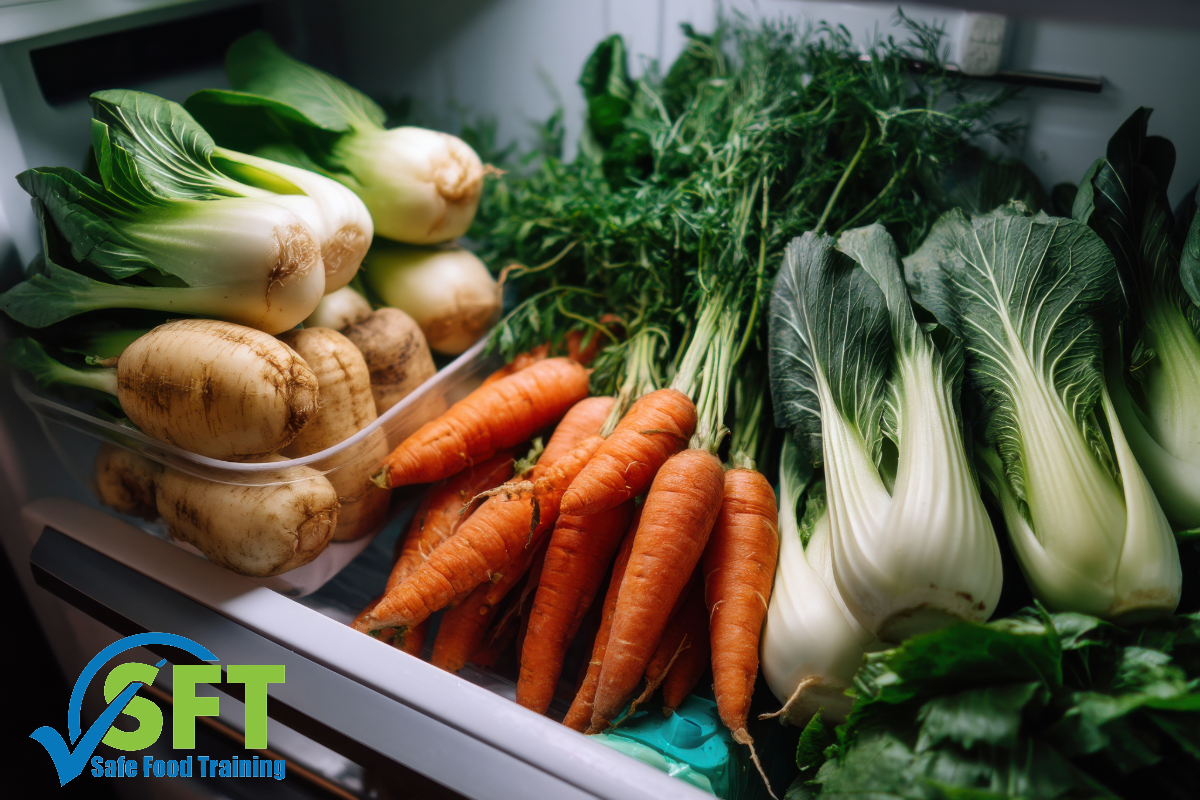
The first step in ensuring fall menu safety is to manage your seasonal produce deliveries with a critical eye. Fresh ingredients, such as pumpkins and squash, often arrive with soil and other debris from the field, which can carry harmful bacteria like Listeria and E. coli. A rushed receiving process that fails to catch these issues can introduce dangerous contaminants directly into your kitchen’s clean environment.

  • Inspect every delivery: Your Certified Food Protection Manager (CFPM) training emphasizes that the flow of food begins at the point of receiving. You must thoroughly inspect seasonal produce for signs of spoilage, mold, or physical damage. A bruised apple or soft-skinned squash can harbor bacteria that will spread quickly, and you have the right and responsibility to reject any products that don’t meet your standards.

  • Prioritize storage: Root vegetables and hard squashes have different storage needs than delicate greens. They thrive in a cool, dry, and well-ventilated area, away from direct sunlight. It’s equally important to store them away from ready-to-eat foods to prevent cross-contamination. Storing raw squash below uncovered salads, for example, could allow field contaminants to fall onto food that will receive no further cooking.

  • Implement first-in, first-out (FIFO): It’s a basic but crucial rule that prevents waste and mitigates risk. Your team should properly date and rotate stock so they use older seasonal ingredients before new deliveries arrive. This simple process minimizes the risk of spoilage and mold growth, which can produce harmful mycotoxins even after cooking.

The Science of Washing and Preparation

Make sure to properly wash all produce!

Make sure to properly wash all produce!

Once inside, the beautiful harvest produce requires careful handling. The CFPM course covers the science of microbial growth, teaching us that a simple rinse is one of the most effective ways of removing physical and biological contaminants. Many people mistakenly believe that produce with a thick rind, such as butternut squash, which they plan to peel, doesn’t need washing. In reality, skipping this step allows a knife to transfer pathogens from the skin of a squash to the cutting board and interior flesh.

  • Wash Before You Cut: Always wash produce thoroughly under running water before peeling or cutting it. This crucial step prevents surface contaminants from being transferred by the knife to the edible portions of the food. It’s a simple action that breaks a primary chain of contamination.


  • Scrub Firm Surfaces: For firm-skinned produce like butternut squash or pumpkins, use a clean and sanitized vegetable brush to scrub the surface. This physical action dislodges stubborn, caked-on dirt and significantly reduces the microbial load, a key concept in preventing foodborne illness.


  • Sanitize Your Surfaces: After prepping raw produce, always follow the two-step process of cleaning and then sanitizing the cutting boards, knives, and prep areas. Cleaning removes food debris, but only a proper sanitizer will reduce pathogens to a safe level. This practice, stressed heavily in certification training, is essential to prevent cross-contamination.

Ready to renew? Check out our upcoming courses or sign up for online recertification today!

Mastering Hot Soups and Beverages

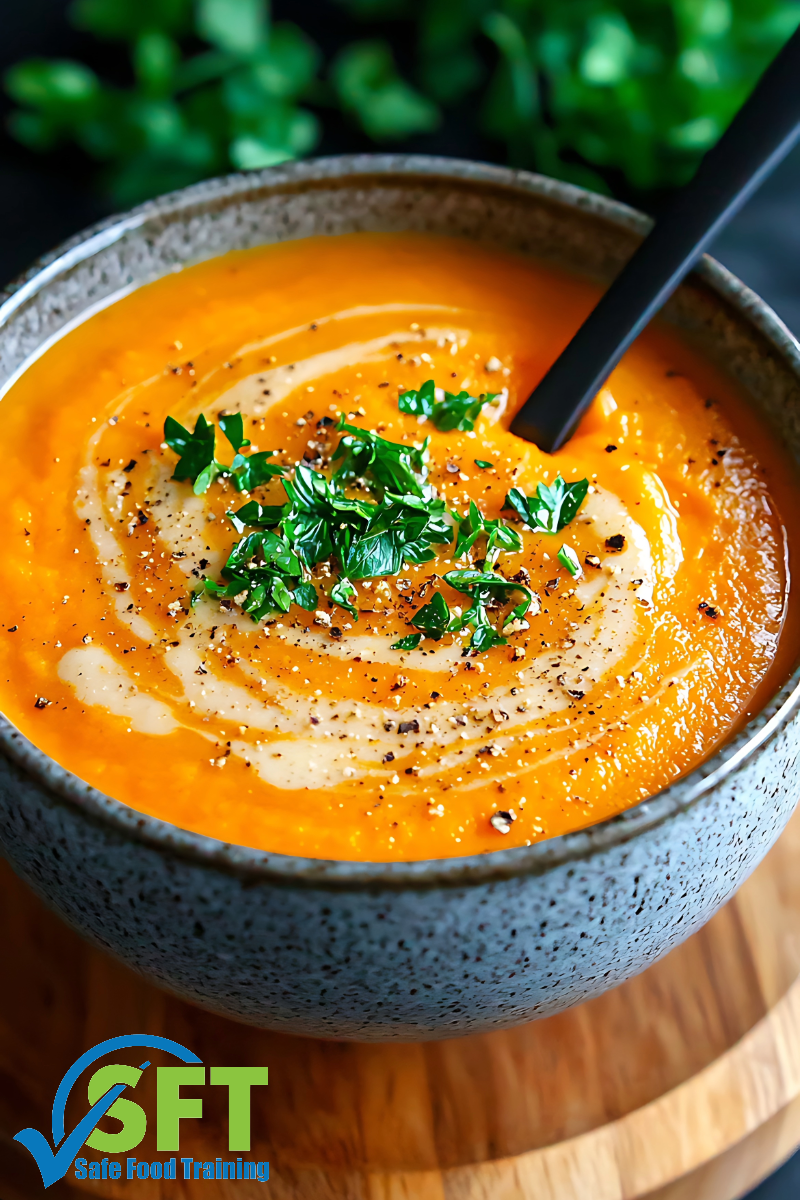
Nothing says autumn like a steaming bowl of butternut squash soup or a cup of hot apple cider. However, these popular items are often TCS foods (Time/Temperature Control for Safety foods) and require strict temperature management to prevent the growth of dangerous bacteria. Understanding the “why” behind these rules is a cornerstone of effective management.

  • Maintain the Hot Zone: The “danger zone” for food is between 41°F and 135°F, the ideal range where bacteria can double in as little as 20 minutes. Training teaches you to keep hot TCS foods at 135°F or higher. Use calibrated food thermometers and monitor your holding equipment frequently, as a malfunctioning steam table can pose a serious food safety risk.
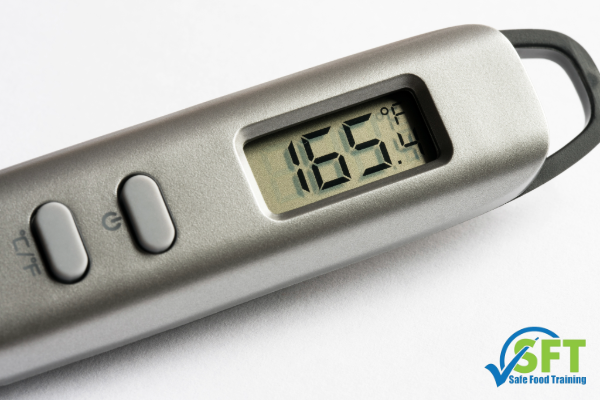
  • Reheat Correctly: Bring a batch of soup to 165°F and maintain it at this temperature for 15 seconds within a two-hour period when reheating it for hot holding. Simply warming it up is not sufficient and creates a hazardous situation.
  • Cool Foods Rapidly: One of the biggest risks in a professional kitchen is improper cooling. Cool leftover soup or cider from 135°F to 70°F within two hours, and then from 70°F to 41°F or lower in the next four hours. Use approved methods, such as ice baths, ice paddles, or dividing hot liquids into shallow metal pans, to facilitate rapid cooling.
  • Document Your Process: A key part of a food safety management system is documentation. Keep temperature logs for both your hot-held items and your cooling procedures. This not only ensures that you are consistently practicing safe seasonal food handling practices but also provides critical evidence of your diligence during a health inspection.

Protect Your Customers and Your Business

Vigilant handling of fall ingredients is a non-negotiable part of your professional responsibility. Applying these principles shows a commitment to excellence and public health. Ensure you and your team are fully prepared to handle seasonal challenges by maintaining your food safety credentials.

Sign up for the next available Certified Food Protection Manager course near you.

.

person throwing up

Foodborne Illness Cases Are Spiking: What MN Managers Need to Know

In the pa

deli meat foodborne illness

Are you updated on all recalls?

The Bottom Line 

Recent data show a 25% increase in foodborne illness cases across the U.S., driven largely by high-profile outbreaks involving Listeria and Salmonella. For Minnesota food managers, this surge underscores a critical reality: trust in the supply chain is not enough. Rigorous internal protocols, specifically temperature control and supplier verification, are your kitchen’s only true defense against contaminated product.

The Surge: Recent Outbreaks You Can't Ignore

In the past year, we have witnessed a troubling rise in large-scale recalls. These aren’t just minor isolated incidents; they are systemic failures affecting millions of pounds of product.

Three Major Cases Every Manager Should Know:

person throwing up

Know the recalls and help prevent illness.


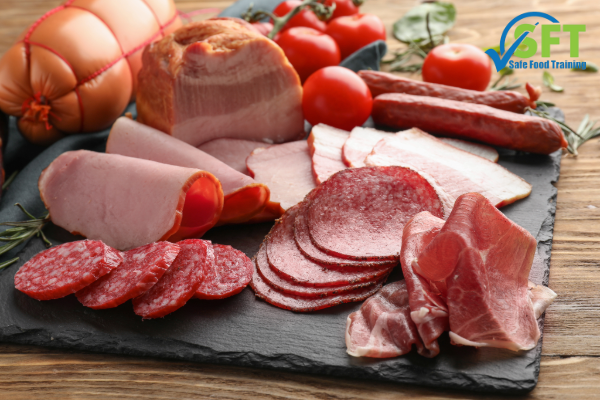
  • Boar’s Head (Listeria): After a liverwurst sample tested positive for Listeria, authorities triggered a massive recall of over 7 million pounds of deli meats and poultry. This outbreak led to hospitalizations across multiple states, underscoring that even “ready-to-eat” foods pose a significant risk.

  • Lyons ReadyCare (Listeria): Frozen supplemental shakes served in healthcare settings were linked to 12 deaths and 38 infections. This tragedy emphasizes the vulnerability of high-risk populations (like nursing home residents) to foodborne pathogens.

  • Raw Farm LLC (Salmonella): An ongoing outbreak linked to raw milk products has sickened at least 165 individuals since 2023. This case serves as a stark reminder of the dangers inherent in unpasteurized dairy.

By the Numbers: Why Risk Is Rising

The statistics are alarming. In 2024 alone, reported foodborne illnesses jumped by 25% compared to the previous year.

man in hospital

Prevent foodborne illnesses by keeping a close eye on recalls!

  • Illnesses: 1,392 reported cases.

  • Hospitalizations: More than doubled (rising from 230 to 487).

  • Deaths: Increased from 8 to 19.

Why is this happening?


Experts point to a mix of infrastructural issues, regulatory gaps, and staffing shortages in inspection agencies. In short, the safety net is strained, meaning the last check often falls on you, the kitchen manager.

Manager Takeaway: The "Jeff Factor"

In my years of teaching, I have seen recalls come and go, but the numbers we are seeing now are different. When the supply chain falters, your kitchen protocols must be airtight.

Here is what you need to do tomorrow:

FDA

The FDA and USDA list recalls on their websites.


  1. Check Your Recalls: Don’t wait for a letter. actively check the FDA/USDA recall lists weekly.

  2. Verify Suppliers: If you are sourcing specialty products (like raw milk or local meats), ensure they have rigorous testing in place.

  3. Refresher Training: Remind staff that “pre-cooked” or “deli” doesn’t mean “risk-free.” Cross-contamination at the slicer can turn a single contaminated loaf into a widespread outbreak.

Frequently Asked Questions (FAQ)

Common questions I get include:

How can I stay updated on food recalls in Minnesota?

The most reliable sources are the FDA Recall List and the Minnesota Department of Health website. We also include major alerts in our Safe Food Training newsletters.

Does washing deli meat kill Listeria?

165 thermometer temp

Know the temperature that kills pathogens and bacteria.

No, you can only kill Listeria by cooking it to 165°F. Washing meat creates a cross-contamination risk by splashing bacteria onto sinks and countertops.

Why are illnesses increasing even with more regulations?

Regulations exist, but there are not enough enforcement resources. Additionally, our food supply chain is more complex than ever, meaning a single contamination event at a large facility (like Boar’s Head) can instantly affect distribution nationwide.

Why Trust Safe Food Training?

Building on a 20-Year Legacy of Food Safety Excellence.

Safe Food Training has been a cornerstone of Minnesota’s food safety community for over two decades. While ownership transitioned to Jeff Webster in 2025, our mission remains unchanged: to provide the highest standard of education to the state’s food professionals.

  • Proven Track Record: We have helped thousands of managers earn their certifications.

  • Local Focus: We understand Minnesota-specific codes and challenges.

  • Flexible Learning: From the Twin Cities to Duluth, Alexandria, and Brainerd, we bring the classroom to you.

Need to renew your certification?


View our upcoming course schedule!

local sourcing

Hyper-Local Sourcing: A ServSafe MN Guide to In-House Restaurant Gardens

Minnesota diners’ demand for fresh, locally sourced food has inspired a new level of farm-to-table innovation: the in-house restaurant garden. To meet this trend, many ServSafe MN professionals are now growing herbs, vegetables, and garnishes on-site. While this practice can elevate a menu, it also introduces unique food safety variables that every manager must control.

Growing your own produce is permissible under food safety regulations, but it doesn’t grant a pass on the fundamental rules of safe food handling. You must treat an ingredient with the same diligence as any item arriving from a supplier the moment you harvest it. Let’s break down the three critical areas of focus for maintaining a safe and successful restaurant garden.

The Foundation: Starting with Clean Inputs

in-house restaurant gardens

Do you have an in-house garden at your restaurant?

The safety of your final product begins long before the harvest. The soil, fertilizer, and water you use are the building blocks of your garden, and they can also be primary sources of contamination if not chosen carefully. Assuming that “natural” automatically means “safe” is a critical error.

  • Use Sterile Growing Media: Pathogens like E. coli are often found in raw animal manure. To mitigate this risk, always use commercially prepared, sterilized fertilizers and potting soils. This step is crucial for preventing the introduction of harmful bacteria at the very start of the growing process.

  • Ensure a Potable Water Source: The water used for your plants will inevitably come into contact with the edible portions. Use only clean, potable water—the same water you use in your kitchen sinks. Avoid using rain barrels or other sources of stagnant water, which can harbor bacteria like Listeria or algae.

Protecting Your Garden: Controlling the Environment

An outdoor garden exposes its produce to numerous environmental risks that can compromise its safety. A core part of your responsibility is to create a controlled space that minimizes these external threats. This means thinking beyond just planting seeds in an open patch of ground.

  • Secure the Location from Pests: Protect your garden from animals and other pests. Birds, rodents, and even neighborhood pets can carry pathogens in their waste, which can easily contaminate low-growing produce. Consider using raised garden beds, fencing, or netting to create a physical barrier.

Prevent Environmental Runoff: Be mindful of where you place your garden. Avoid areas where runoff from parking lots, lawns, or garbage enclosures could introduce chemical or biological contaminants to the soil and plants.

From Harvest to Plate: Applying ServSafe MN Protocols

Herb garden-in-house restaurant gardens

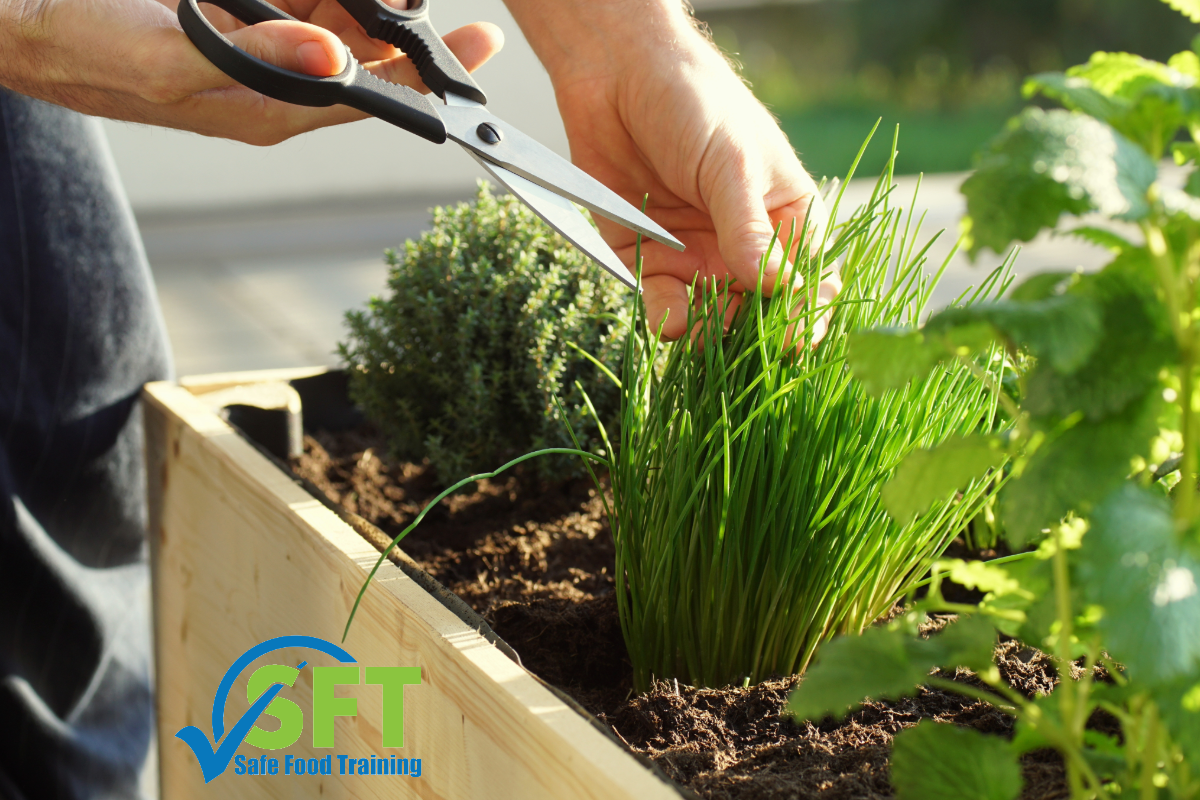
Treat all produce the same, from the in-house restaurant garden to the regular outside supplier.

Once you clip that first sprig of mint or pull the first ripe tomato, your formal ServSafe MN training must kick into high gear. You must handle these raw ingredients accordingly to prevent foodborne illness as they enter your kitchen’s workflow.

  • Wash Produce Thoroughly: Wash all harvested items under clean, running water immediately after bringing them indoors. This crucial step removes soil, which can contain spores like Clostridium botulinum, as well as unseen pests and surface contaminants.

  • Prevent Cross-Contamination: Use a designated and sanitized food preparation sink for washing produce. Never use a handwashing or utility sink. After washing, store the items in clean, sanitized, and covered containers, away from and preferably above raw animal products.

  • A Note on Selling Retail: The guidelines discussed here apply to produce used for items on your menu. If you intend to sell raw, harvested produce directly to customers for retail, you may face different regulations. Contact your local health inspector to ensure you have the permits or licenses for this type of sale.

Embracing an in-house garden is an excellent way to innovate, but it requires a diligent application of food safety principles. Upholding these standards is a core part of your responsibility as a ServSafe MN certified professional.

For comprehensive training that covers these critical details for you and your team, explore our instructor-led options in Minnesota. 

Food Safety Problem with Romaine

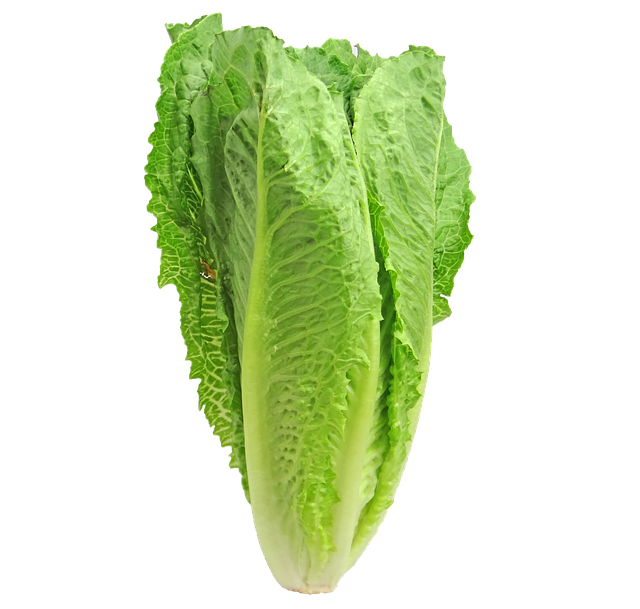
The Food Safety Problem with Romaine Lettuce

November has come and gone, and with it another major food safety problem with Romaine lettuce causing an illness hazard and sickening your guests. This week, we’d like to look at some of the potential causes of these outbreaks, and how good food safety training helps prevent sickening your guests with contaminated lettuce.

Food Safety Problem with Romaine

Image Credit: BlackRiv via Pixabay

Hints On How To Prevent A Food Safety Problem with Romaine Lettuce

Like most vegetables, romaine lettuce grows in the dirt, and as we all know, dirt is dirty. Soil contains all sorts of bacteria and contaminates, it is home is insects and snails, and it can be further contaminated by fertilizers and other outside sources. Even the water that farmers use to water their crops can be contaminated with bacteria that can be harmful to people who consume the final product.

Some farms that grow our produce also house livestock. It’s not out of the realm of possibility that manure can spread from one section of the farm to another on a worker’s boots or the tread of a tractor tire. As you can imagine, there are infinite possibilities as to how romaine lettuce becomes a health hazard, but what can we do about it?

Unfortunately, keeping the food from becoming contaminated on the farm is outside of the scope of what we do as a food safety training provider, however, we can help you take steps to keep lettuce in your restaurant clean and free from contaminates. Here are a few steps you should take:

  • Inspect lettuce upon delivery
  • Wash lettuce thoroughly
  • Be alert for recalls
  • Dispose of potentially contaminated romaine lettuce

A close inspection of your lettuce will reveal how much soil has been shipped with your product or if bugs and snails have tagged along for the ride. If you feel that your lettuce isn’t up to food safety standards, don’t be afraid to reject the shipment.

It’s not just a food safety problem with Romaine, all fresh produce should be washed thoroughly before serving, but lettuces such as romaine need extra attention. There’s a reason that you hear about more food poising cases from lettuce than potatoes. Potatoes and many other fruits and vegetables have one continuous outside surface, so a quick wash gets rid of more bacteria than a quick wash of a head of lettuce. We suggest washing your lettuce after taking the leaves off of the head in order to rinse areas that won’t be cleaned if the head is washed whole.

Finally, be aware of recalls and dispose of compromised lettuce. Taking a hit on food cost is a much better option that sickening your guests.

Did your business suffer from that latest recall of romaine lettuce?