ServSafe Food Training and Washing Raw Proteins

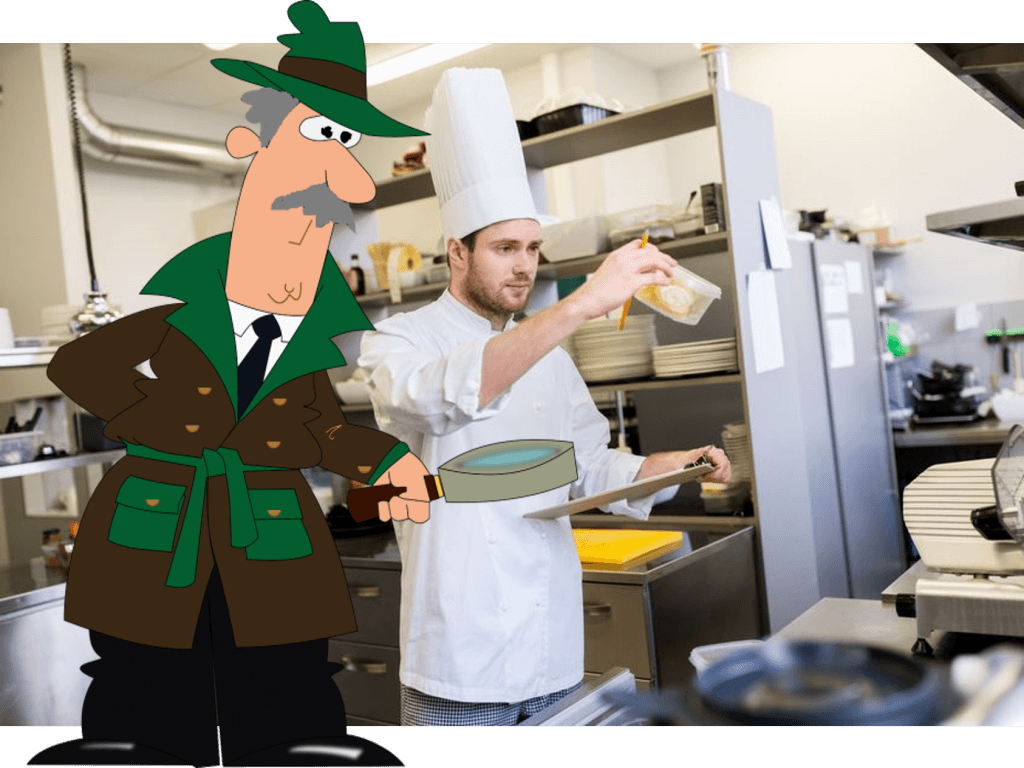
ServSafe food training for raw chicken

In April, the CDC tweeted a warning concerning the dangers of washing or rinsing raw chicken. If you’re active on Twitter, you can probably imagine the storm of retweets, comments and controversy this simple tweet caused. This week, we’ll take a look at what ServSafe food training says about this issue.

ServSafe food training for raw chicken
Image credit: Wasant Tonkun via 123rf

Washing Chicken and ServSafe Food Training

Perusing the Minnesota food code and ServSafe food training materials, we find no definitive ruling saying that washing raw chicken is prohibited. However, if you feel the need to wash your raw poultry before production, steps must be taken to prevent the spread of bacteria from cross contamination.

First, never wash your chicken, or any other food product, in sinks that are designated for dishwashing. Washing or rinsing raw chicken near dishes creates the potential for contaminated water to splash onto areas where clean may be. You also run the risk of exposing your chicken to dish-washing chemicals.

If this is a regular occurrence in your facility, mandate a designated sink for this purpose. Having a raw protein area will reduce the risks of salmonella or other pathogens from coming into contact with counters, utensils or other food product that will not be cooked to high enough temperatures to kill bacteria.

Finally, thoroughly sanitize sinks and utensils used to rinse raw chicken as soon as possible. Salmonella bacteria will spread and multiply and there will be an increased risk of cross contamination if the preparation area is not taken care of immediately.

These procedures shouldn’t only apply to rinsing raw product. You should take the same precautions when thawing raw chicken and other items that contain bacteria under running water. Bacteria can spread from thawing food just as fast fresh, raw proteins.

The intent of the CDC’s tweet was probably intended for people cooking at home, but it can be a warning to take care even for food service professionals. What causes an isolated food-borne illness at home has the potential to create an outbreak when food is improperly handled on a greater scale.

Minnesota Certified Food Protection Manager Training Options

Certified Food Protection Manager

The state of Minnesota requires most businesses that handle food to have a certified food protection manager(CFPM) on staff. There is no one-size-fits all solution, so this week, we’d like to take a look at what types of training options are available to become a MN Certified Food Protection Manager.

Certified Food Protection Manager
Tim Niles Lead Instructor For Safe Food Training

Qualifying Certified Food Protection Manager Training Programs

There are two ways to gain proper certification to become a certified food protection manager. You can take a course led by an instructor where you have the ability to ask questions, and discuss issues with a leading professional in the industry or you can choose an online version of the course.

There are advantages and disadvantages to either choice. Online food safety training offers convenience taking the training when and where you want, but deprives the student of the ability to participate in discussions with fellow food service professionals and ask questions concerning the material. Instructor led courses as well as all certification testing must be taken at the locations and times scheduled, so there is less flexibility in the timing of the training.

There are also a couple programs that you can choose from. You can take a standard certified food protection manager course which meets the requirements of the state of Minnesota and Wisconsin, or if you wish further education on food safety, you may elect to take the nationally and internationally recognized HAACP training. HAACP provides education targeting the identification and management of food safety risks.

Finally, certification must be renewed every three years. Recertification must occur within six months of the expiration date of your current certification. Recertification requires a minimum of four hours of approved continuing education but does not require you to retake the exam. Most CFPMs retake the standard training once again as a refresher. As with the initial certification training, the recertification can be done either on-line or at one of the scheduled instructor led courses.

Do you or any of your staff need food safety certification? At Safe Food Training, we offer instructor led and online food safety certification classes and exams. We can help with HAACP or even design a specialized class to meet the needs of your business.

CFPMs and Self-Service Touchscreens

CFPMs_Touch_screens

Advances in technology in the restaurant industry offers numerous opportunities for business owners to run their establishment in a more efficient and cost effective manner. Self-service touchscreen kiosks are one of the newest trends for major restaurants, especially fast food chains. A study in the UK, however, shows this new technology is creating major headaches for CFPMs and self-service touchscreens are proving to be a huge contamination risk .

CFPMs and Self-Service Touch Screens
Image credit: Wikimedia- TaiCIWJHai King Tung

CFPMs and Self-Service Touchscreens Contamination Problems

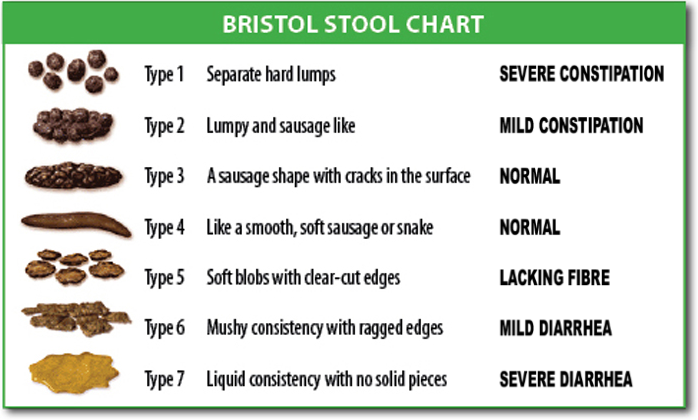
Researchers in Britain tested numerous McDonalds’ self-ordering touchscreens and discovered traces of fecal matter on every single one.

Let’s think about that closely for one second. They didn’t find fecal matter on a few, half or even 90 percent. They found traces of human feces on every single one. The list of specific bacteria found is fairly extensive, but it included the potential for hospital-grade illness from pathogens like Staphylococcus, listeria and Bacillus as well as standard food-borne illness outbreak culprits.

If that isn’t bad enough, the study also looked into the immediate hygiene habits of patrons using the machine. Customers would walk in, get in line and order. There was no sanitizing or washing of hands from the point of entry to the time of order. Many would order, take their seat, wait for their food and begin eating without washing their hands at all. This recipe for disaster should make food safety managers cringe.

With these screens infiltrating the dining rooms and lobbies in many different types of food service establishments, what can we do to keep our customers safe from potential infection?

The key is sanitation. The touch screen must be sanitized at regular intervals. If they’re the table top variety, sanitizing after each guest will remove all traces of bacteria that may have found their way to the surface from previous guests. But, lobby self-ordering systems are much harder to keep an eye on.

In this case, it’s unlikely you can enforce proper hygiene on all of your guests, but you can give them a nudge in the right direction. Attach a sanitizer dispenser to your touchscreen kiosk or have one readily available. We’d recommend having a sanitizer dispenser where the line begins and one at the machine itself. This will promote sanitation before and after ordering. Also, signage directing guests to the nearest washroom will also put the thought into their heads that maybe they should wash their hands before and after ordering.

Do you have touch screens available for your guest to use for ordering convenience?

ServSafe MN Basics for the Twelve Dirtiest Foods

ServSafe Basics for 12 Dirtiest Foods

Recently, a food safety watchdog group published its list of 12 produce items that test most frequently for traces of pesticides, and there are a number of surprising foods on this list. This week, we’ll take a look at the list and provide and a ServSafe MN basics review for proper produce handling.

ServSafe Basics for 12 Dirtiest Foods
Image credit: U.S. Department of Agriculture

The Dirty Dozen and ServSafe MN Basics

As you can imagine, several foods grown in the dirt make an appearance on this list. Kale, potatoes, strawberries, spinach and celery make this notorious list. These foods grow close to or in the ground, and therefore close to bugs, snails and slugs, so many farmers treat their fields with some form of pesticide to protect their crop.

Tree fruits also figure prominently on this list. Apples, pears, peaches nectarines and cherries often test positive for pesticides, and vine and bush products such as tomatoes and grapes round out the list.

It’s important to note that there are no recalls or major warnings from the USDA concerning any of these fruits and vegetables. In fact, levels of pesticides found have not been labeled as dangerous or evaluated by any official agency, so let’s not panic and stop serving these items. It is, however, important information that serves as a reminder to review our ServSafe MN basics when it comes to handling raw produce.

Always inspect produce upon delivery. If you notice and odd smells, discoloration any type of sheen which looks chemical in nature, you may wish to consider rejecting shipment or asking for an exchange. Inspection on delivery is the first line of defense against serving contaminated food.

Make sure you wash all produce before serving, preparing or cooking. Pesticides can spread to other foods, leave residual traces on cutting boards and be consumed by guests, so washing produce is key.

Do you take extra precautions with certain ingredients, or do you carefully wash and inspect all produce regardless of type?