Fish Labeling Fraud

MN Food Safety Managers and Fish Labeling Fraud

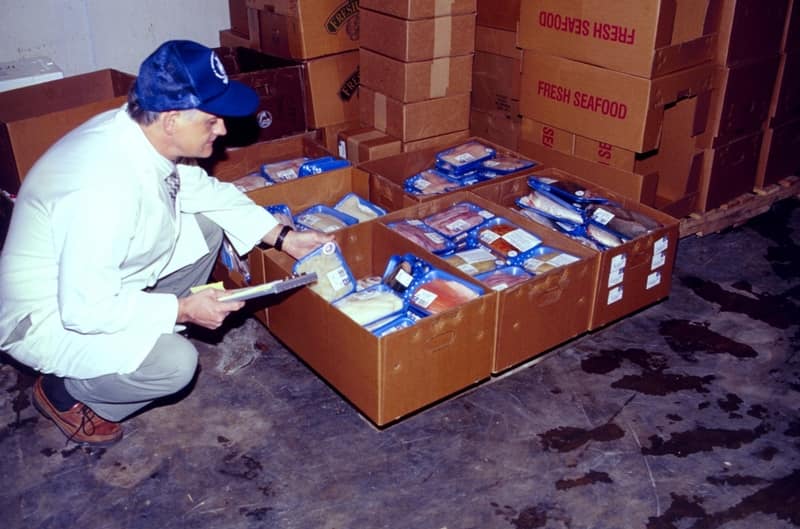
According to a recent report out of New York state, fish labeling fraud is becoming fairly rampant, with many species of fish being substituted with cheaper, lower quality seafood. If this is such a widespread problem, how can MN food safety managers actually know if their seafood is actually what the supplier says it is?

Fish Labeling Fraud

Image credit: NOAA Photo Library

How to Avoid Becoming a Fish Labeling Fraud Victim

While this study concerned fish sold in New York state, we can assume that seafood sold in Minnesota at least has the potential of being mislabeled. Here’s a few ideas that we’ve come up with to help you avoid bringing in mislabeled fish:

  • Use reputable seafood suppliers rather than large restaurant supply services
  • Ask your supplier for a precise label that includes your seafood’s source
  • If you order wild fish, reject any shipment that is not labeled as wild caught
  • If a supplier’s cost is much lower than market price, be wary

Large food suppliers are great for basic items, but the seafood market is so specialized that it’s probably a good idea to find a supplier that specializes in seafood, especially ocean caught fish. With our state far away from both oceans, food safety managers should put their trust in companies with seafood shipping experience to ensure freshness, quality and authenticity.

Most seafood, especially wild caught species such as salmon, should be labeled accordingly. Look out for generic labels on fish species such as salmon, cod or snapper. These three species of fish are susceptible to labeling fraud, especially if you are expecting wild caught or a specific variety of these popular seafood items. Ask your supplier for an accurate and specific label that includes a harvest location.

Finally, be wary of deals that look too good to be true, because they probably are. It’s not uncommon for more disreputable suppliers to mask a cheap, low quality fish as a desirable product and advertise an unbelievable price. Once cleaned and fileted, a generic white fish may resemble cod, but your customers will taste the difference.

Do you take steps to make sure that you’re receiving the seafood that you actually ordered?

Menu streamlining

Guide to Menu Streamlining

When evaluating the food cost of any given menu, waste creates a major impact and hurts profit margins, especially during typically slow late winter months. Besides ordering less product, menu streamlining options can help reduce waste and leave more money in your budget. This week, we’ll offer some tips on menu streamlining menu that can prevent excess waste and improve profits.

Menu streamlining

Image credit: 123RF – 29640973

Reducing Waste By Streamlining Your Menu

Most chefs and food managers resist the urge to trim their menu during lean months, but we feel the benefits outweigh giving your customers a wide range of choices. When evaluating your menu during traditionally slow periods, look for a few of the following options to menu streamlining :

  • Remove Rarely Ordered Items
  • Alter Dishes to Share Ingredients
  • Find Substitutes for Expensive Ingredients
  • Consider Special Menus Early in the Week

If you keep sales reports, take a look at which items are most frequently ordered and which are rarely ordered. If you have a low percentage of any menu item, consider removing it during slow times. Even at a low order rate, you may sell enough to keep ingredients on hand during peak months, but that low order rate will turn into waste when business drops off.

Side dishes can often be a source of waste. Consider using more cost effective ingredients and rewriting your menu so that more than one dish shares a side. While providing a unique ingredients and side dishes for every item gives customers options, it also increases waste. Temporarily finding ways to include the same ingredient in more than one menu item will reduce waste and lower food cost.

Some restaurants offer a special menu on slower days, typically early in the week. Weekend business usually stays steady, so running a typical menu works for busy days, but offering a more cost effective or “weekday menu” is a common solution to waste reduction.

As a food manager, do you feel altering your menu to reduce waste during the off-season is a solution for controlling food cost?

MN Certified Food Protection Managers and an FDA Warning On Avocados

FDA Warning On Avocados Has Broader Implications

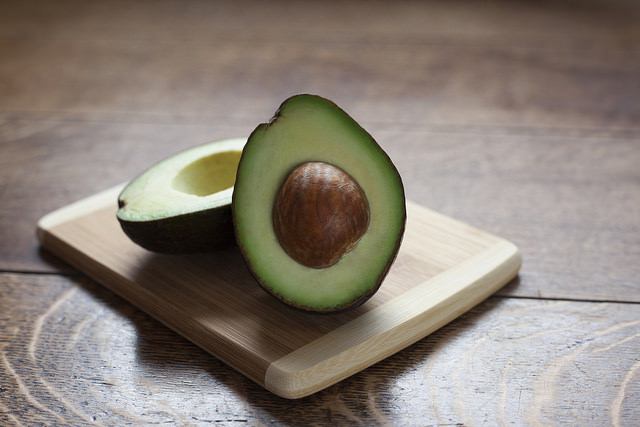
Last December, the FDA issued a microbiological sample study on whole, fresh avocados. As a result of this study, they have warned the general public that a chance of listeria poisoning exists if the skins are not washed before cutting. We’ve looked at their study, and we agree MN Certified Food Managers should be aware of the FDA warning on avocados, but why stop with avocados?

MN Certified Food Protection Managers and an FDA Warning On Avocados

Image credit: www.kjokkenutstyr.net via flickr

FDA Warning on Avocados (And Washing ALL Skinned Fruits and Vegetables)

During training, certified food protection managers learn that one of the most common causes of food-borne illness is the transfer of bacteria from one surface to another. In the case of the FDA’s recent study, this transfer has been occurring in avocados. But how does listeria end up in a dish containing avocados if we don’t eat the skin?

In the case of avocados, and other fruits and vegetables with rinds, shells or thick skins, contamination can dwell on the surface of the item in question. When you cut into these rinds, your knife blade may come into contact with listeria, salmonella or any number of other types of contaminates. Once this happens, the bacteria simply spreads into the edible portion of your fruits and vegetables as your now contaminated knife slides through the meat of your ingredient.

While there is little chance the insides were contaminated before preparation, the simple act of cutting open an avocado, melon or citrus fruit has now increased the change of illness because of a failure to wash your product ahead of time.

As a certified food protection manager, your role should be to educate and monitor your staff to see that all skinned produce is washed before preparation. Take care to ensure that everyone knows the risks, even some staff members who may not work in the kitchen who prepare ingredients such as lemon wedges for the bar, sliced oranges for garnish or any other employee whose duties involve preparing these types of items.

Do you take extra steps to wash produce with inedible skins and rinds?

Shutdown Creates Food Safety Challenges

How the Government Shutdown Creates Food Safety Challenges

It’s been one of the biggest news stories of the past couple of weeks. The government has been shut down while the President and Congress try to hammer out a budget deal. As a result of this shutdown, thousands of government employees have been furloughed and certain agencies no longer have the funding to operate. At Food Safety Training, we usually keep our noses out of politics, but in this case, the shutdown has created challenges to keeping the food we serve safe.

Shutdown Creates Food Safety Challenges

Image Credit: Picryl

Food Safety Challenges During a Government Shutdown

According to several reports, the FDA has lost funding due to the current shutdown. This means that many of the routine inspections that occur on a daily basis have ceased, and products from uninspected facilities are making their way onto grocery shelves and into the food supply used by restaurants and other industrial kitchens.

The FDA employs in the neighborhood of 5,000 inspectors and runs nearly 160 inspections per month. Those are inspections that are currently not happening. So what can certified food managers do to ensure their product is safe?

  • Inspect all ingredients for potential food safety hazards
  • Wash all produce
  • Cook all meats to the proper temperature
  • Take steps to train all staff on proper food handling procedures

The news isn’t all doom and gloom, however. While the FDA inspection process may have halted, there is still some measure of food safety control. USDA inspections of meat and some egg producers are still occurring as scheduled, the CDC is still funded in the event an agency needs to step in during a food-borne illness outbreak and foreign food inspections on products that are imported to the United States has continued. There is also speculation that the FDA may be preparing to resume inspections on facilities that produce high-risk products.

Besides governmental oversight, many of the largest food manufacturers employ their own inspectors to keep the food that leaves their facilities safe. It’s always in a company’s best interest to make sure their product will not sicken their customers, and while some food hazards slip through the cracks, many food producers have their own checks outside of government inspection.

Are there any food safety challenges that you see as a result of the government shutdown?