CFPMs_Touch_screens

CFPMs and Self-Service Touchscreens

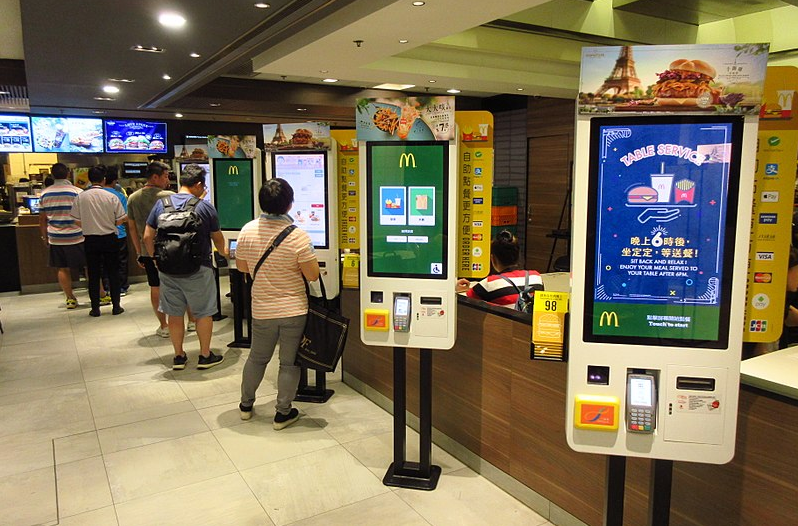
Advances in technology in the restaurant industry offers numerous opportunities for business owners to run their establishment in a more efficient and cost effective manner. Self-service touchscreen kiosks are one of the newest trends for major restaurants, especially fast food chains. A study in the UK, however, shows this new technology is creating major headaches for CFPMs and self-service touchscreens are proving to be a huge contamination risk .

CFPMs and Self-Service Touch Screens
Image credit: Wikimedia- TaiCIWJHai King Tung

CFPMs and Self-Service Touchscreens Contamination Problems

Researchers in Britain tested numerous McDonalds’ self-ordering touchscreens and discovered traces of fecal matter on every single one.

Let’s think about that closely for one second. They didn’t find fecal matter on a few, half or even 90 percent. They found traces of human feces on every single one. The list of specific bacteria found is fairly extensive, but it included the potential for hospital-grade illness from pathogens like Staphylococcus, listeria and Bacillus as well as standard food-borne illness outbreak culprits.

If that isn’t bad enough, the study also looked into the immediate hygiene habits of patrons using the machine. Customers would walk in, get in line and order. There was no sanitizing or washing of hands from the point of entry to the time of order. Many would order, take their seat, wait for their food and begin eating without washing their hands at all. This recipe for disaster should make food safety managers cringe.

With these screens infiltrating the dining rooms and lobbies in many different types of food service establishments, what can we do to keep our customers safe from potential infection?

The key is sanitation. The touch screen must be sanitized at regular intervals. If they’re the table top variety, sanitizing after each guest will remove all traces of bacteria that may have found their way to the surface from previous guests. But, lobby self-ordering systems are much harder to keep an eye on.

In this case, it’s unlikely you can enforce proper hygiene on all of your guests, but you can give them a nudge in the right direction. Attach a sanitizer dispenser to your touchscreen kiosk or have one readily available. We’d recommend having a sanitizer dispenser where the line begins and one at the machine itself. This will promote sanitation before and after ordering. Also, signage directing guests to the nearest washroom will also put the thought into their heads that maybe they should wash their hands before and after ordering.

Do you have touch screens available for your guest to use for ordering convenience?

Non-Continuous Cooking Steps

Online Food Safety Training Update on Non-Continuous Cooking

Back in November, we covered an interesting addition to the Minnesota Food Code revision; non-continuous cooking- the ability to halt the cooking process and resume at a later time. At the time, we only had some basic information and a rough draft of the new food code, but now that the code is in effect, the Department of Health has released fact sheets and more detailed information about this procedure.

Non-Continuous Cooking Steps
Image credit: 123rf/Teerawut Masawat

Non-Continuous Cooking Procedures

The procedure for non-continuous cooking can be broken down into five steps:

  1. Cook product for 60 minutes or less
  2. Cool food properly within two hours
  3. Store product below 41 degrees
  4. Cook food completely when reheating
  5. Serve immediately, hot-hold or cool properly for later use

This process offers a solution for certified food managers who wish to partially cook raw animal product or other sensitive items and reserve under refrigeration or in the freezer until the time comes to cook and serve. Along with these five steps, the health department requires documentation for this process which must be reviewed and approved by the proper regulatory official, namely your health inspector.

Include the following vital information in your documentation and proposal to be reviewed:

  • The monitoring and implementation process of the five required steps
  • Corrective actions if the five steps are not met properly
  • How partially cooked product will be labeled or identified
  • Steps taken to prevent cross contamination with ready-to-eat foods

We have a few quick notes concerning these new rules. You may wish to review your online food safety training concerning cooling and temperature control and proper cooking temperatures. Remember, all product must reach the correct temperature before serving. The non-continuous cooking method should never be used for product that may be served undercooked at customer request. Undercooking previously partially cooked meats presents an increased food-borne illness risk.

We’ve found local health inspectors are more willing to work with food producers to ensure that these new rules are followed correctly. Feel free to contact your health department if you’re ready to have your proposal reviewed or if you have any questions.

CFPMs Use Freezing

How CFPMs Use Freezing to Slow Bacteria

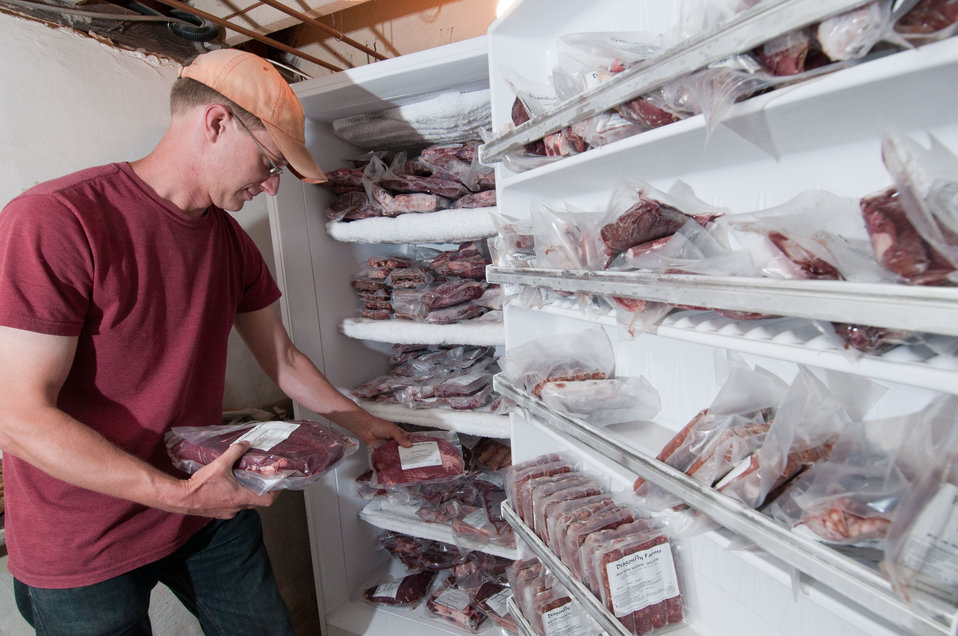
In one of our Certified Food Protection Manager training classes during our recent record breaking cold snap, a student asked “whether CFPMs use freezing or refreezing foods to kill bacteria in meat products and ready-to-eat foods? If we store our product outside in the snow at negative 30 degrees, it should be too cold for bacteria to survive, right?”

CFPMs Use Freezing
Image credit: US Department of Agriculture (Flickr Photostream

Freezing product properly does in fact promote food safety and reduce the risk of food-borne illness, but simply freezing everything potentially increases the risk of food-borne illness and gives a false sense of security as to how safe the food we serve really is.

CFPMs Use Freezing for Food Safety

Before we get into our discussion, it’s important to answer the question, “Does freezing proteins kill bacteria?”

There’s a lot of misinformation out there concerning how germs and bacteria react to sub-zero temperatures, but we learn in online Certified Food Protection Manager training, freezing food does not kill bacteria. Freezing food stops the growth of germs and bacteria, so effective use of your freezer to store product that isn’t intended for immediate use keeps bacteria at bay while preserving food for later use. Cooking meats, ready-to-eat foods and other products to the proper temperatures is the only way to actually kill bacteria. Freezing solidly for at least a week will kill parasites but not bacteria.

So, when can CFPMs use freezing to safely store product?

If you don’t plan on using incoming product soon, freeze it as soon as possible. This will add life to your product, and prevent the slow growth of bacteria. Letting your meats sit under refrigeration for a few days and then deciding you’re not going to use it can pose a bacteria risk, depending on what type of product it is. Fish and seafood have a limited shelf life, so while freezing it will slow the growth of contaminates, it will still contain those harmful bacteria when thawed.

Cooked foods need to be cooled properly before freezing them. Cooked product must be chilled in an ice bath or in small portions. For example, a large, warm pot of soup cannot be simply put into a freezer in a large bucket. Bacteria will grow as the soup sits in the danger zone while freezing and wake up when the soup is eventually thawed. The same goes for cooked roasts and large amounts of meat.

Finally, a caution against freezing thawed product. Product thawed in the microwave or under running water cannot be re-frozen. Food properly thawed under refrigeration may be re-frozen if done so in a reasonable time frame, but we recommend against this as thawing and re-freezing can cause quality issues with your product.

Do you have a regulated method to control freezing and thawing of your product?

MN Food Code Fact Sheet

A Guide to the Proper Use of MN Food Code Fact Sheets

The MN Food Code Fact sheets provided by the health department are a free and easy-to-use guide to nearly any food safety issue. The ServSafe Food Manager controls food safety in their establishment, but there are many training tools available to help them educate their staff, monitor procedures and go the extra mile to keep their guests safe.

MN Food Code Fact Sheet
Image credit: The U.S. National Archives

Using MN Fact Sheets to Promote Food Safety

Fact sheets should be readily accessible to all employees. Our best suggestion is to have them posted visibly in stations where they are relevant. For example, a fact sheet on cooling should be posted near sinks used for ice baths, cooking temperatures should be kept on the line and proper handwashing signage should be posted at all handwashing stations.

There are many different fact sheets, and some of them may be important for your day-to-day operations, but some only need referencing occasionally. For example, a fact sheet on equipment guidelines may be useless posted in your facility, but it’s still valuable information. We recommend keeping an accessible binder with all fact sheets relevant to your operation whether you post them visibly or not. This resource gives ServSafe food managers easy access for training and review of information that isn’t required on a daily basis.

Finally, many of the fact sheets have changed with the recent update of the Minnesota Food Code, we strongly urge you to remove any fact sheets dated before January 1, 2019, and replace them with the most recent updates.

Have you taken the time to review the newest MN food code fact sheets available and print out and post ones that help keep your employees informed on the latest food-safety rules?