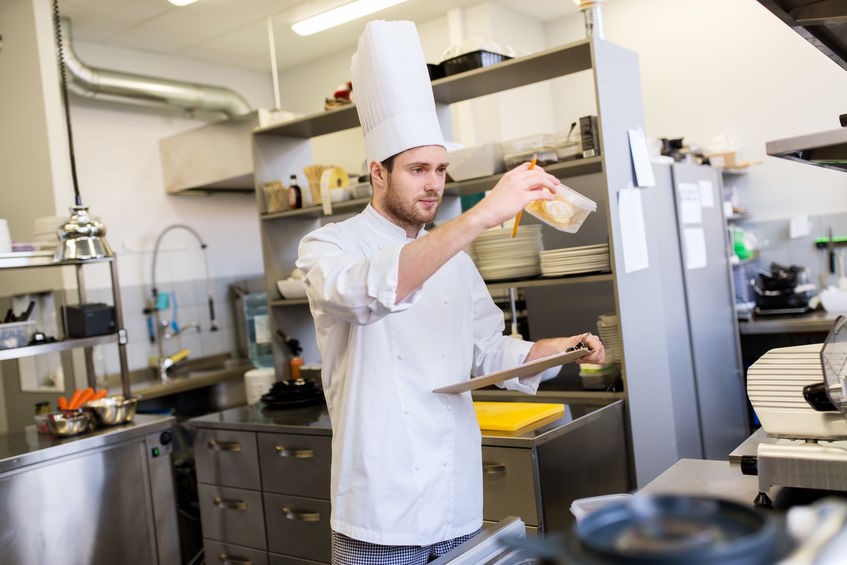
Food Safety Training and Non-Continuous Cooking

Non-Continuous Cooking

In our research into upcoming MN food code changes, we’ve noted a new addition; non-continuous cooking. This means that as long as certain parameters are met, you can halt the cooking process for certain items and finish at a later time. Many risks exist when cooking is halted, so this week we’d like to discuss how to safely prepare food using this method.

Non-Continuous Cooking
Non-continuous Cooking Image Credit: Army.mil

A Non-Continuous Cooking Food Safety Training Guide

We must first point out that in order to prepare raw animal foods using a non-continuous cooking method, you must have a well-documented written procedure and obtain approval from your local health department. You should provide safe food training to your staff on this process and develop written instructions that include the following information:

  • Initial Cooking Time
  • Cooling Method
  • Storing Procedure
  • Reheating Method

If you do not plan on cooking raw animal product all the way to the appropriate temperature, you can only halt the process if the initial cooking time is under 60 minutes. After 60 minutes, you must continue the cooking process until an acceptable internal temperature has been reached.

Once you halt the cooking process, you must bring the internal temperature down to 41-degrees as soon as possible. This will prevent undercooked meat product from resting at temperatures known to speed up the growth of potentially dangerous bacteria. Once cooled, the par-cooked product must remain under proper refrigeration.

Finally, when it comes time to finish the cooking process, remember that your product must be fully cooked to the proper temperature.

It’s important to stress and repeat that if you plan on using this method for any raw animal product, you must have well-documented plan and regulatory approval.

Once this new MN food code rule goes into effect, we’ll monitor enforcement and provide more food safe training on this topic in the future. How do you feel about the allowance for non-continuous cooking?

Online Food Training for Special Food Preparation Processes

Food-Preparation-Processes

Sometimes there are food preparation processes that are not covered by online food training or specifically detailed under Minnesota food code regulations. So what should a food safety manager do if they cannot find a specific guideline for their unique food preparation technique?

Food-Preparation-Processes
Curing sausage Image Credit: MaxPixel

Unique Food Preparation Processes

If you have a food preparation process that you’re unsure about or cannot find any rule that addresses your situation, you may be required to obtain a variance from your local health inspector. There are too many cooking and storing processes to name in one article, but some situations that may require a variance include:

  • Smoking or Curing
  • Sprouting Seeds or Beans
  • Preserving
  • Custom Animal Processing
  • Reduced Oxygen Packaging

These five items are just examples of food preparation techniques that may require a variance from the health department. If your methods are not covered under the health code, or if you’re unsure, we advise you to contact your local health department.

Using the health department as a resource in situations of uncertainty helps keep the food you serve safe. Online food training and thumbing through the food code is a great start, but it’s best not to proceed until you ensure that your process produces safe to eat foods.

Obtaining a variance from the department of health is not as complicated as you may think. A local health inspector will need to come to your facility and observe your food preparation method. This is a great opportunity to discuss your cooking methods and potentially learn safer ways to prepare your food under these special circumstances. During the health inspector’s observation, they will let you know whether or not they approve of your methods. If they decide not to grant your procedure a variance, ask questions and seek advice from these professionals on how to prepare these items safely.

Do you have a cooking procedure/food preparation processes that does not seem to fall under standard health code rules?

Proposed Changes In The MN Food Code Will Effect Kitchen Equipment Requirements

Proposed Changes In The MN Food Code Will Effect Kitchen Equipment

In the coming months, the Minnesota Department of Health will be making some changes to the current food code. One of those changes deals with the types of certifications equipment in industrial kitchens must have. This week, we’ll take a look at how changes in the MN food code will effect kitchen equipment decisions and how it impacts certified food managers in Minnesota.

Proposed Changes In The MN Food Code Will Effect Kitchen Equipment
Image credit: American National Standards Institute

New Changes In The MN Food Code Will Effect Kitchen Equipment Choices

According to the new regulations, MN certified food managers will have much more freedom as to what equipment they use in their establishment. There will no longer be the requirement for all equipment to be NSF (National Sanitation Foundation) certified. This does not mean that anything goes when it comes to your equipment; certain equipment will still need to be certified for sanitation by an ANSI (American National Certification Institute) certification program. These 10 types of equipment still require sanitation certification:

  • Warewashing Sinks
  • Mechanical Warewashing Equipment
  • Mechanical Refrigeration Units
  • Walk-in Freezers
  • Hot-Holding Equipment
  • Cooking Equipment other than Microwaves and Toasters
  • Ice Machines
  • Mechanical Slicers
  • Mechanical Tenderizers and Grinders
  • Food Preparation Surfaces, including Prep Sinks

So, how does a certified food manager know whether or not their equipment is certified by the proper agency? Most industrial kitchen equipment will have a stamp, label or other markings indicating that it has been classified for sanitation. If you have a piece of equipment that is listed above without any visible markings, contacting the product manufacturer or your local health department’s office may help you find the necessary information.

With these upcoming changes to equipment sanitation classifications, now may be a good time for certified food managers to make a quick inspection of all of the equipment on the list to ensure they have the proper certification. We feel that widening the scope to any ANSI sanitation standard gives food production facilities more flexibility when it comes to equipment choices. How do you feel about changes in the MN food code will effect kitchen equipment? Will it mean more freedom or more burden?

New Certified Food Protection Manager Vomit Cleanup Regulations

Certified Food Protection Manager Vomit Cleanup

Vomit and feces cleanup may not be a subject that most people want to talk about, but it’s an important topic for food safety managers to understand. The Minnesota Food Code will soon be changing, and among those changes are new procedures for cleaning up vomit and feces after an incident. We’ll explore Certified Food Protection Manager Vomit Cleanup Guidelines.

Certified Food Protection Manager Vomit Cleanup

Image credit: C Tennie via Wikimedia Commons

Certified Food Protection Manager Vomit Cleanup Guidelines

Hopefully it’s not a common occurrence, but there may be an incident that requires a food safety manager to monitor or perform the cleanup of vomit or diarrhea in their facility. The new language in the food code states that food safety managers must establish procedures for employees to follow in the event of a vomit or diarrhea incident. These procedures should be well defined and understood by all members of your staff. Your established procedures should look something like this:

  • Act fast
  • Wear gloves
  • Contain the contamination
  • Properly clean and sanitize the affected area
  • Thoroughly wash contaminated plateware and utensils
  • Properly wash your hands after cleaning up

Containing the incident right way stops the spread of particles that could end up in a guest’s food. Allowing vomit or feces to remain where it is for any length of time gives bacteria ample opportunity to multiply and spread to other sections of your facility.

Wearing rubber gloves, preferable elbow length gloves, will prevent any fecal matter or vomit from touching an employee’s skin. Wearing protective gloves, make sure every surface has been cleaned from visible matter, and then sanitize. Just because there are no visible signs of bacteria, it doesn’t mean that all traces have been removed. Liberally sanitize the areas where the incident occurred, and make sure to extend your sanitation range well beyond the location where visible contaminates are located. Invisible bacteria can be ejected quite a distance from the affected area.

Finally, dispose of any soiled items that are not salvageable and wash all linens, plates, cups and any other utensils in the affected area. Be safe and wash everything within a decent radius of the incident. The possibility remains that unseen bacteria has contaminated nearby utensils.

Do you already have a Certified Food Protection Manager Vomit Cleanup procedure posted for employees?