New Food Safety Training for Reusable Takeout Containers

Food Safety Training for Reusable Takeout Containers

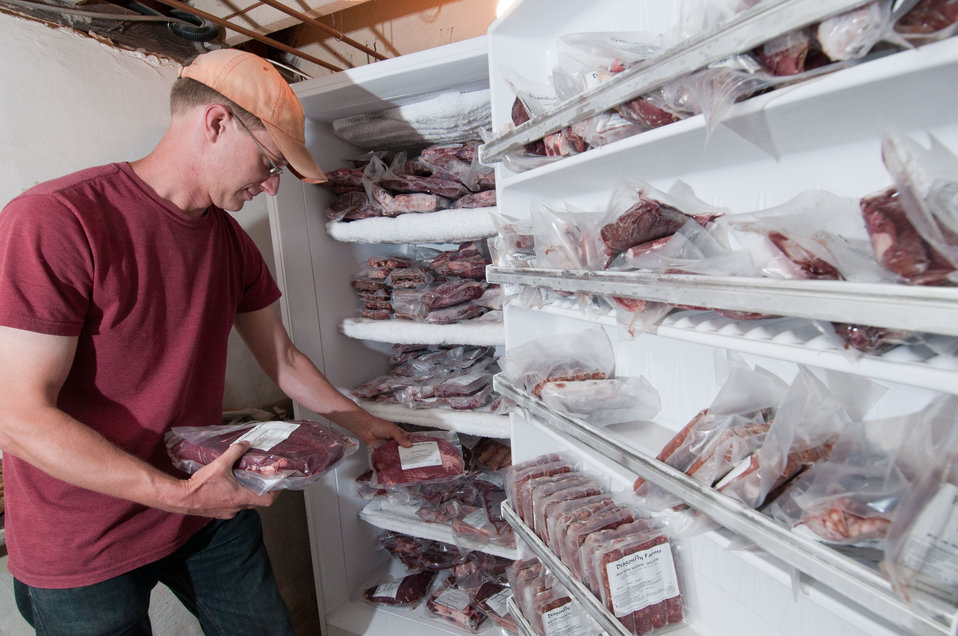
Over the past few months, we’ve been covering upcoming changes to the Minnesota Food Code, and in the course of our research, we’ve come across a proposed rule that allows food outlets to utilize reusable takeout containers for food and beverages. Since these containers are not always stored on site, adapting to this new opportunity will take a quick food safety training for reusable takeout containers. A simple procedure adjustment that will assure your product can be delivered in reusable containers with minimized risk of spreading food-borne illness.

Food Safety Training for Reusable Takeout Containers
Image credit: webstaurantstore.com

A New Guide to Food Safety Training for Reusable Takeout Containers

A reusable take-home container prevents wasted paper products, and potentially reduces supply costs for food service providers. If you plan on supplying reusable takeout containers to your customers, you should follow these guidelines in the food code.

  • Use  only containers designed and constructed for reuse
  • Takeout containers must be initially provided by the food establishment
  • You must always clean, sanitize and inspect for food particles before refilling

Your local food service provider or restaurant supply store should have plenty of options for refillable containers that meet the health department’s criteria. It’s important to note that guests cannot bring a container from home and ask to have it filled with food. These containers must initially come from your facility. This provides two opportunities for business owners. First, it allows you to ensure that the container is safe for food. If you know where the container comes from it will be greatly reduce your risk. Secondly, marketing opportunities abound if you supply custom containers with your business’ logo and contact information. Having a refillable container that reminds customers of your establishment generates more revenue from return visits.

Always clean, sanitize and inspect  returned containers at your facility. Also note, a guest cannot fill a reusable food container. The code requires an employee of the establishment fill the take-home food receptacle.  Guests may fill beverage containers, however, if there is a contamination-free transfer process.

Considering the potential to reduce waste and packaging cost along with the branding/customer loyalty possibilities; will you provide your team with food safety training for reusable takeout containers and try this new takeout option once the rules take effect?

Certified Food Managers and Air Curtain Use

Certified Food Managers and Air Curtain Use

Nearly every restaurant has a door propped open from time to time, whether it’s a backdoor to an alley with access to dumpsters or garbage storage, a delivery entrance or even a front door that remains open during hot summer months or periods of increased traffic during busy times. Leaving any door open in a food processing facility leads to the risk of contaminates entering the building via insects, fumes or dirt and dust. It also leads to an energy cost nightmare when heating and air-conditioning systems constantly kick on and off. If this is a problem in your facility, you may want to consider how certified food managers and air curtain use work together – click this air-curtain system link.

Certified Food Managers and Air Curtain Use
Image credit: Berner International

How Certified Food Managers and Air Curtain Use Keep Contaminates Out

Back doors and delivery entrances are especially susceptible to being left propped open. This can allow fumes from a delivery truck, flies, insects and other contaminates enter your kitchen. An air curtain can be effective in preventing these types of things from becoming a hazard.

Air curtains work by collecting air in their fan housing and then forcing it from the unit at the top of door frames towards the floor. This creates a wall of air that cannot be penetrated by small insects, dust particles and fumes. It allows doors to be opened for extended periods of time while reducing the risk of outside contaminates from entering your facility. This barrier of air also keeps hot or cold air out, allowing you to better regulate the interior temperature of your establishment. Keeping your open doors protected gives certified food managers one less risk to worry about.

If you have a delivery door or a backdoor that is constantly open, we recommend looking into an air curtain to reduce the risk of pests and fumes from entering your kitchen. Do you utilize an air curtain in your facility? How do you feel about them? Leave us your thoughts on these certified food managers and air curtain use incites.

Minnesota Food Code Changes for Warewashing Water Temperature

warewashing water temperature

Dishwashing machines are a vital part of any food service operation, but they also present a potential food safety hazard if not maintained properly. One key part of any dishwashing machines ability to sanitize plateware, silverware and cooking utensils is having hot water available, and with new changes coming to the Minnesota food code, you’ll soon be required to take specific steps to monitor the warewashing water temperature in your dishwashing machine.

warewashing water temperature
Image Credit: ThermoWorks

Proposed Minnesota Food Code Compatible Warewashing Water Temperature Measuring Options

We learn in online ServSafe courses that the hot water temperature in your dishwashing machine must reach temperatures greater than 160 degrees for proper sanitation. Many types of devices exist that can ensure that food contact surfaces reach the proper temperature:

  • Single-Use Temperature-Sensitive Stickers
  • Temperature-Sensitive Labels and Test Strips
  • Reusable Waterproof Thermometers

Temperature-sensitive stickers and labels are color changing devices that can only be used one time. There are advantages and disadvantages to using stickers and labels. The cost of a box of these temperature-sensitive devices is much cheaper than a thermometer designed for measuring your dishwashing machine’s water temperature. Accuracy of these labels can be called into question as they do not give you a reading to the exact degree. While they do change color based on water temperature, they only give you a range of temperature rather than an exact reading. A word of warning about stickers and labels; they come in many different temperature ranges, so make sure you purchase a product that reads temperatures of at least 160 degrees.

We recommend a reusable Min-Max registering digital thermometer designed for warewashing. While the initial cost of these is much more expensive, over time you may find the long term cost of buying box after box after box of test strips might be more expensive. These thermometers can be accurate to the tenth or hundredth of a degree, and come in numerous styles, some that are even shaped like a small plate that will fit conveniently on your dishwashing rack. They are easy to read, easy to use and give you a much better idea of exactly how your dishwashing machine is performing.

Making sure that your warewashing temperature is high enough to kill pathogens will eliminate one sensitive area in your facility. We’d like to know which type of temperature monitoring device you find the most convenient.

Certified Food Managers and Changes in their Title and Requirements

Certified Food Manager CFM to Certified Food Protection Manager(CFPM)

As we’ve discussed in previous articles, the Minnesota Department of Health has proposed the first major update to the food code in quite some time. One important aspect of these changes includes the altering of certain terms that are commonly used in the code. This week, we’ll break down the change in terminology as it relates to the title of Certified Food Managers.

Certified Food Manager CFM to Certified Food Protection Manager(CFPM)
Image credit: Chef Kev Ashadevia – Wikipedia Commons – Vgreen19

Upcoming Changes for Certified Food Managers in the MN Food Code

We notice right away that the title of certified food managers is changing. The new language in the code will refer to the Certified Food Protection Manager. This is a slight change, but something worth taking note of. The duties and training required for the Certified Food Protection Manager (CFPM) will remain similar to previous requirements with a few exceptions.

One reason for this change is to clarify that the requirement for outlets to have a CFPM are based on risk rather than the type of facility where food production occurs. Under the new proposed food code, there will no longer be an exemption for mobile food units, such as food trucks or carts, temporary or seasonal facilities. These types of food producers will now be required to have a full-time CFPM based on their risk category.

The changes in the way the code deals with the certified food protection manager also clears up a few issues regarding certification and renewals. The instructor providing training and renewal courses must be certified themselves in order to provide certifications for students.

Finally, the Minnesota Department of Health is also altering the grace period allowed for renewal of certification. Rather than a full year, managers now only have a grace period of six months to complete their renewal requirements.

What do you think of the changes to the certified food protection managers in the new code? Will it affect how you go about your duties?