
MDH Digital Doorway: Your Guide to Certified Food Protection Manager License Application

Certified food protection manager license application help from Safe Food Training!

Certified food protection manager license application help from Safe Food Training!

As a professional certified food protection manager in Minnesota, staying current with your certification is a top priority. Whether you are a newly trained certified food safety manager or a seasoned professional in the industry, a significant change has arrived that affects how everyone interacts with the Minnesota Department of Health (MDH). As of April 1, 2025, the MDH exclusively accepts applications through its online portal, and understanding this new process is essential.

To make it easier, I’ve created a step-by-step video guide to walk you through the entire process.

To make it easier, I’ve created a step-by-step video guide to walk you through the entire process.

Watch Our Step-by-Step Video Guide

Before diving into the written steps, you can watch my video that walks you through the new MDH portal. It’s a great way to see the process in action!

▶️ Watch the Video Guide to the MDH Portal Here

For a detailed breakdown, here are the three key phases: creating your account, uploading your course documents, and renewing your certification with a claim code.

Getting Started: Creating Your Secure Portal Account

Certified food protection manager license application help from Safe Food Training!
Need help completing your certified food protection manager license application help from Safe Food Training!

Your first step in the digital application process is to create a secure account with the Minnesota Department of Health. This account will serve as your central hub for managing your certified food protection manager license Application, both now and in the future. It’s a one-time setup that is crucial for all subsequent steps.

  • Step 1: Locate the Portal. You can navigate directly to the portal at https://mn-mdh.portal.opengov.com or find it by searching for “MN Department of Health Licensing System.”


  • Step 2: Sign Up. In the top right corner of the page, click “Login” and then select “Signup.” It is recommended that you choose the option to “Sign up using Secure Portal.”


  • Step 3: Verify Your Email. You will need to enter your email address, create a username, and set a password. The MDH system will then send a verification email to the address you provided. You must click the link in this email to activate your account before you can log in and proceed.

     

How to Renew: Using Your Unique Claim Code

Certified food protection manager license application help from Safe Food Training!
Contact us with additional course registration questions!

For professionals renewing their certification, the process requires an additional piece of information: a claim code. This code links your new continuing education documents to your existing professional record in the MDH system.

  • Locating Your Claim Code. The state should have mailed or emailed this unique code to you. If you cannot find it, you must contact the department directly. Email health.fmc@state.mn.us, provide your identifying information (full name, license number, etc.), and request your claim code.
  • Step 1: Claim Your Record. Once you have your code, log in to your MDH portal account. On the main dashboard, locate and select the “Claim a record” option, typically found in the lower right area.
  • Step 2: Submit and Finalize. An input window will appear. Enter your claim code exactly as it was provided to you and press “Submit.” This will successfully link your account to your renewal application, allowing you to upload your new continuing education certificate and pay the renewal fee online.

Navigating a new system can feel daunting, but following these steps will ensure your application is handled correctly and efficiently. Keeping your certified food protection manager credential current is a hallmark of your professionalism and commitment to public health.

If you haven’t completed your required training yet, Jeff Webster and the team at Safe Food Training are here to help you succeed. Register for an upcoming certification or renewal course today!


A Food Manager’s Guide to Preventing Buffet Cross-Contamination

Buffet Cross Contamination-Buffet

As a food manager in Minnesota, you understand the unique appeal of a buffet service. It offers variety and abundance that customers love. However, that same open-service style presents significant food safety challenges, with the primary risk being buffet cross-contamination. A single misstep can compromise an entire food line, potentially leading to a foodborne illness outbreak that could harm your customers and your reputation. Implementing a robust, multi-layered strategy is not just good practice—it’s essential for protecting everyone.

The nature of a self-service line means dozens of people interact with the serving utensils and food, creating numerous opportunities for germs to spread. Therefore, your prevention plan must be comprehensive, covering everything from staff hygiene to the layout of the buffet itself.

Build a Foundation of Impeccable Hygiene

Prevent cross contamination at the buffet table!- Buffet table
Prevent cross contamination at the buffet table!

The first line of defense against foodborne illness is always your team. Pathogens are most commonly transferred by hands, making strict hygiene protocols the cornerstone of buffet safety. These standards must be non-negotiable for every person working in your establishment.

  • Implement Proper Handwashing: This is the single most critical habit. Staff must wash their hands with soap and warm water for at least 20 seconds before their shift, after using the restroom, after handling raw meat, and any time they switching tasks.
  • Train on Correct Glove Use: Disposable gloves can provide a significant barrier, but only when used correctly. Staff should wash their hands before putting on gloves and change them frequently, especially after handling allergens or raw foods. A glove is only as clean as the last thing it touched.
  • Maintain High Personal Hygiene Standards: This includes wearing clean uniforms, using effective hair restraints like hairnets or hats, and removing jewelry that could harbor bacteria or fall into food.

Master Food Handling to Stop Buffet Cross-Contamination

How food is held, stored, and served is critical. Even with clean hands, improper food handling can quickly turn a beautiful buffet into a high-risk zone. Your strategy must focus on controlling temperature and preventing contact between different food types.

  • Monitor Temperatures Vigilantly: Bacteria multiply rapidly in the “temperature danger zonebetween 41°F and 135°F. Use calibrated food thermometers to ensure hot foods stay at or above 135°F and cold foods stay at or below 41°F.
  • Separate Raw and Ready-to-Eat Foods: This rule is absolute, from the walk-in cooler to the serving line. Store raw meats, poultry, and seafood below and away from ready-to-eat items to prevent juices from dripping and contaminating them. Use color-coded cutting boards and utensils for preparation.
  • Enforce the First-In, First-Out (FIFO) Rule: Always use the oldest stock before the newest stock. Using this method ensures the freshest food is served and reduces the risk of using expired or unsafe products.

Control the Point of Service

Buffet Cross Contamination
Stop buffet cross contamination with these tips!

The buffet line itself is where your staff, your food, and your customers all interact. Managing this environment is crucial for preventing the direct and indirect spread of contaminants. Small, consistent actions in this area can make a significant difference.

  • Provide a Utensil for Every Dish: Never allow a single spoon or pair of tongs to be used for more than one dish. This prevents the transfer of allergens and germs between food items. Keep a stock of clean utensils ready and replace any that are dropped or mishandled immediately.
  • Use Protective Sneeze Guards: Sneeze guards are a physical barrier required by health codes for a reason. They protect food from respiratory droplets and other physical contaminants that may come into contact with customers. Ensure they are clean and properly positioned.
  • Encourage Clean Plates for Refills: Politely ask customers to use a fresh plate each time they return to the buffet. This simple step prevents a used plate, which has come into contact with a customer’s hands and saliva, from contaminating the serving utensils and, subsequently, the entire dish.

Preventing buffet cross-contamination requires continuous effort and a well-trained team. These systems are your best defense against foodborne illness and are essential to running a safe and successful buffet service.

Are you confident your team understands every risk, from the temperature danger zone to allergen management? Safe Food Training provides personalized, instructor-led food safety courses for Minnesota food managers and their staff.

Book your initial certification or continuing education session today and build a culture of safety in your establishment.

The 5-Second Rule Myth: What ServSafe MN Professionals Need to Know

Spaghetti on the ground.
ice cream bar on the floor.
Don’t fall for this common food safety myth!

If you’ve spent any time in a professional kitchen, you’ve probably heard a coworker shout “5-second rule!” after a piece of food takes a tumble. It’s a common kitchen myth, but for those of us dedicated to food safety, it’s crucial to understand that this is no joke. When it comes to ServSafe MN standards, the only place for dropped food is the trash can, and understanding why is key to protecting your customers and your business.

The Centers for Disease Control and Prevention (CDC) estimates that approximately 48 million people contract a foodborne illness each year. As a food professional in Minnesota, and especially as a certified food protection manager, you are the first line of defense against these preventable illnesses. Adhering to the highest standards isn’t just about passing inspections; it’s about a fundamental commitment to public health.

The Science That Debunks The Myth

The core idea of the 5-second rule—that bacteria need time to transfer to food—is fundamentally flawed. Research has consistently shown that transferring contaminants is not a matter of time, but instead of contact. A significant 2016 study from Rutgers University found that bacterial transfer can happen in less than a second.

Here’s what really determines the level of contamination:

  • Immediate Transfer: Bacteria don’t have legs, but they move with moisture, and this transfer can be instantaneous. The moment food makes contact with a contaminated surface, a transfer of microorganisms begins. There is no “safe” window.
  • Surface Matters: The type of surface the food lands on plays a major role. Smooth, non-porous surfaces, such as ceramic tile and stainless steel, common in professional kitchens, allow for a much higher and faster rate of bacterial transfer than a surface like carpet.
  • Food Characteristics: The nature of the food itself is a critical factor. Moist or wet foods, such as a slice of tomato or melon, act like sponges for bacteria and will pick up contamination far more readily than dry crackers or bread rolls.

Beyond the Myth: Real-World Risks for ServSafe MN Professionals

For professionals who hold a ServSafe MN certification, ignoring the facts about the 5-second rule introduces serious risks that go far beyond a single piece of food. It creates a crack in your food safety culture that can lead to significant consequences. Upholding these standards is a core part of maintaining your food safety certification in MN.

True or false and a question mark on a black background
True or false?

Consider the potential fallout from this seemingly minor issue:

  • The Threat of Cross-Contamination: A dropped item doesn’t just contaminate itself. An employee who picks up the item and continues working can transfer pathogens from the floor to their hands, gloves, preparation surfaces, and other foods, creating a chain of contamination that can lead to widespread illness.
  • Damage to Your Reputation: Customer trust is everything. If a patron sees an employee serve food that has come into contact with the floor, that trust is instantly broken. In the age of online reviews, a single incident can cause lasting damage to your establishment’s reputation and bottom line.
  • Regulatory Violations: Minnesota’s food safety regulations are in place to protect the public. Failing to follow basic principles, such as proper handling of dropped food, can lead to poor inspection scores, fines, and even forced closures. It shows a lack of control and a disregard for required safety protocols.

The Right Procedure: When in Doubt, Throw It Out

The 5-second rule, rumor or real? (Thumbs down on a red background.)
The 5-second rule, rumor or real?

As a certified food protection manager, creating a culture of absolute food safety means having clear, simple, and non-negotiable procedures for situations like this. There is no room for ambiguity. Training your team on the correct response is an essential component of your ongoing food safety education plan.

Here is the only acceptable procedure for food that has hit the floor:

  • Immediate Disposal: Throw the food away immediately. There are no exceptions. The cost of a single ingredient is insignificant compared to the potential cost of a foodborne illness outbreak.
  • Clean and Sanitize: The employee involved must wash their hands thoroughly before returning to food preparation tasks. Any surfaces or tools that the dropped food may have come into contact with afterward must also be properly cleaned and sanitized.
  • Reinforce Through Training: Use these moments as opportunities for training. Remind your team why this rule is in place. Consistent reinforcement ensures that food safety remains a top priority for everyone, from new hires to seasoned veterans.

Ultimately, the 5-second rule is a myth that has no place in a professional kitchen. For a certified food protection manager, upholding the highest standards of ServSafe MN is about protecting your customers, your reputation, and your business.

Protect your patrons and your establishment with professional training. Whether you and your team are preparing for an initial Minnesota food license or it’s time to renew your three-year continuing education, our personalized, instructor-led options can help ensure you meet the highest standards. Go to Safe Food Training to book your course today!

Who Should Immediately Obtain A Food Protection Manager Certification?

who should obtain food protection manager certification

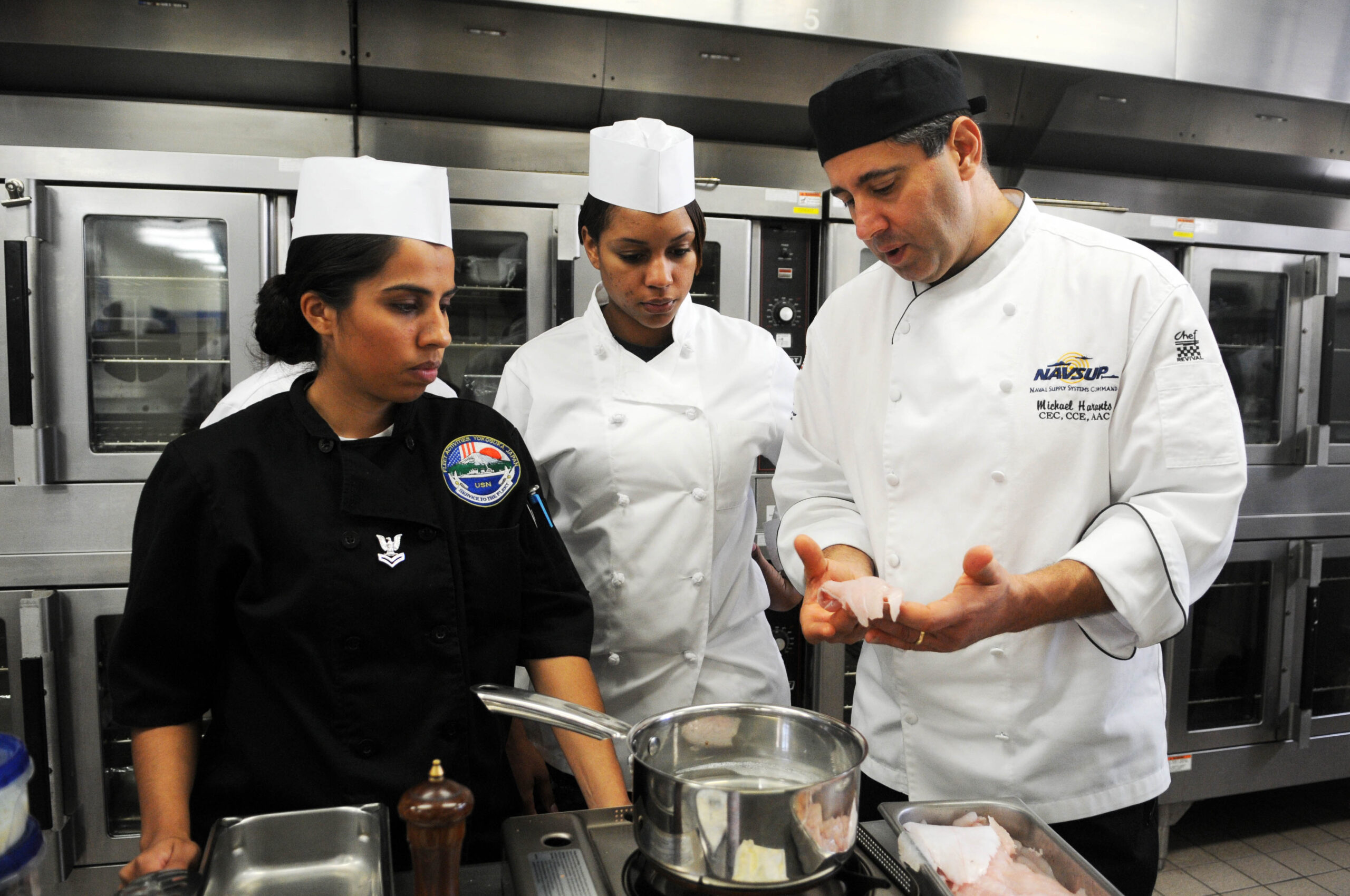
Most establishments that process or serve food must have an in-house leader with food manager certification MN. Although regulations require this certification, they do not specify which manager in the company should obtain a food protection manager certification.

We feel that to get the most value out of food protection manager certification, it is essential to make sure that a person who directly oversees and manages food production is certified. In many smaller food service establishments, such as restaurants, it is not uncommon for the owner to be certified. This is only a good idea if the owner is under constant supervision of his kitchen. Many restaurant owners spend more time supervising the floor and taking care of guests than overseeing the day-to-day operations of the kitchen staff. If this is the case, you should consider your Chef, Sous Chef, or kitchen manager for certification.

Who should obtain food protection manager certification
Image credit: US Navy

In large-scale establishments, we suggest an overseer of production gain food protection manager certification. They will have a much easier time dealing with food safety issues than a manager who spends little time supervising production. If you are coordinating multiple locations, keep in mind that there must be one certified manager at each location.

There are some jurisdictions in the state that require that there is a certified person present whenever the business is operating. For those businesses, it is important to have several key people certified so that there is always coverage.

Role of the Certified Food Protection Manager

When selecting a candidate to be a CFPM, it is important to take into consideration the duties expected of them and their role in your establishment. Keep the following duties in mind when you determine who you will have certified.

Your certified manager should be in a position to:

  • Identify potential food safety hazards in the workplace
  • Develop procedures to reduce the potential for foodborne illness
  • Coordinate food safety training for employees
  • Ensure there is a Person in Charge (PIC)
  • Correct procedures and habits as necessary to protect consumers
  • Inspecting daily operations periodically ensures proper following of food handling policies.

When selecting a leader to obtain a food protection manager certification, it is essential to ensure that their position will allow them the opportunity and ability to fulfill all of these duties. For more information on these regulations, the official fact sheet can be obtained from the Minnesota Department of Health.

Safe Food Training has scheduled classes at convenient locations around the Twin Cities and central MN. It’s quick and easy to register an individual or several employees to take the training and exam. Register early, to assure the availability of the date and location you want.