Will FDA Definition of Health change Food Safety Certification?

Recently, the FDA opened a public inquiry requesting comments on how to define the term “healthy” as it relates to the labels on packaged foods. While this appears only to immediately impact the retail sector, any time the FDA changes any regulation the potential exists that the food service industry will see the effects. We do not foresee any upcoming changes to ServSafe or food safety certification requirements, but this looks like an important topic to explore.
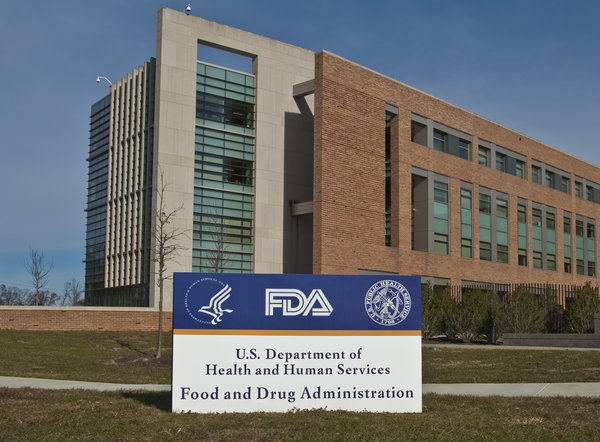
FDA Impact of Food safety certification

Image credit: commons.wikimedia.org

FDA Definition of Healthy and Food Safety Certification

The time period to give the FDA your opinion began on September 26th, so we would like to ask a few questions pertaining to this inquiry in case you plan on submitting your opinions.

• Should a government agency define healthy?
• Should the public define healthy?
• Is there one definition of healthy that works for all consumers?

It is not our intent to influence your opinion on what the FDA’s role is when it comes to the diet of consumers in our country, but we do think we should consider whether or not the FDA is responsible for deciding what healthy means. We all know that the FDA enforces and maintains regulations that keep our food supply safe from natural and man-made hazards, but does a food’s nutritional value fall under their department’s jurisdiction?

On the other hand, does the general populace have all of the information necessary to determine if a food is “healthy”? Even many experts disagree on which types of foods have health benefits and how much of each nutrient we need to consume. We all like to think that we know what is best for us, but how does product labeling influence our food choice decisions?

Finally, can we simply put the entire population in a box and tell them what is healthy for some is healthy for all. The FDA’s inquiry resulted from a complaint that foods rich in certain fats that have health benefits for some consumers are refused the “healthy” label. There may be questions as to whether refusing the “healthy” label to all foods that contain fats will prevent consumers from purchasing items that contain certain elements that may actually have nutritional value.

These are only a few of the questions that we have come up with that should be considered. If you’d like to submit your opinion, the FDA is currently accepting your comments on the topic of how to define “healthy” as a food label until January 26, 2017. We would also like to know how you feel about this topic so please leave your input in the comments section below.
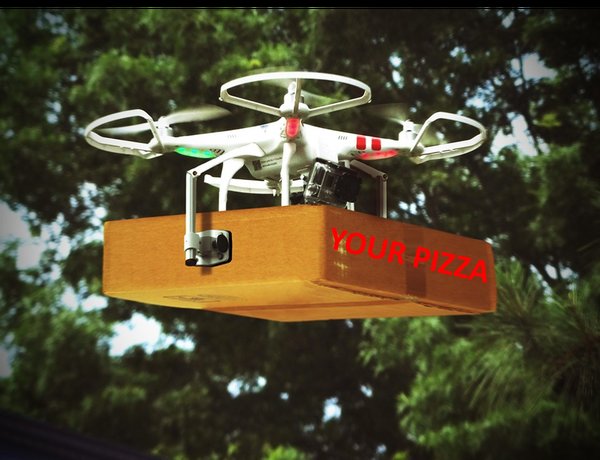
delivery drones and nfsrp standards

Delivery Drones and NFSRP Standards

Chipotle restaurants recently announced that they will begin testing a drone delivery service at Virginia Tech, and earlier this year Domino’s began using robots to deliver pizza in New Zealand and Australia. We enjoy seeing creative innovations in the food industry, but we also feel the need to examine these achievements from a food safety perspective. With unmanned delivery drones and robots being tested, we grow curious to see if major food safety training standards such as NFSRP and ServSafe adjust their regulations with growing automation in the food service industry.

delivery drones and nfsrp standards

Image credit: pixabay.com

NFSRP and Automated Delivery Service

While researching the topic, we found that the biggest hurdle for automated delivery services lie with the authorities that govern transportation. The FAA and local jurisdictions can regulate the airspace used by commercial drone operators, and they have expressed concerns that the possibility exists that the risk of drone failures and crashes will increase in crowded airspaces as these services become more popular. We also see increasing studies into the hazards of driverless vehicles, and we would like to see whether or not a robot can successfully navigate busy city sidewalks and crosswalks without incident. So before we begin carpet bombing college campuses with foil wrapped burritos and calculating how big of a tip to give your favorite delivery robot, we must wait and see what types of regulations will be put in place.

One issue that we can address is the issue of food safety. Under the current food code, delivery drivers who do not prepare your food do not have to obtain any form of food safety certification, so we can probably assume that there is no rush to create droid level NSFRP training courses. One issue that concerns us, especially with prepared products such as burritos that contain highly sensitive beans and rice, is whether or not these prepared food items will spend a significant amount of time in the danger zone. Bacteria in beans, rice and many proteins thrive in lukewarm temperatures, and from what we have seen, delivery drones do not contain any warming equipment. The robots being tested in New Zealand seem to have an interior storage space that possibly contains a heating system, but from some of the test footage we have seen, burrito drones simply carry burritos from restaurant to customer. Given the potential for food-borne illness, we feel that this issue needs to be addressed.

These exciting innovations leave us wondering what is just over the horizon. If the old Jetson’s cartoons were any glimpse into our future, we hope that flying cars will be next. What futuristic innovations are you waiting to see revolutionize the food industry?