Revealing Risks In Guest Restrooms For Food Protection Managers

Revealing Risks In Guest Restrooms For Food Protection Managers

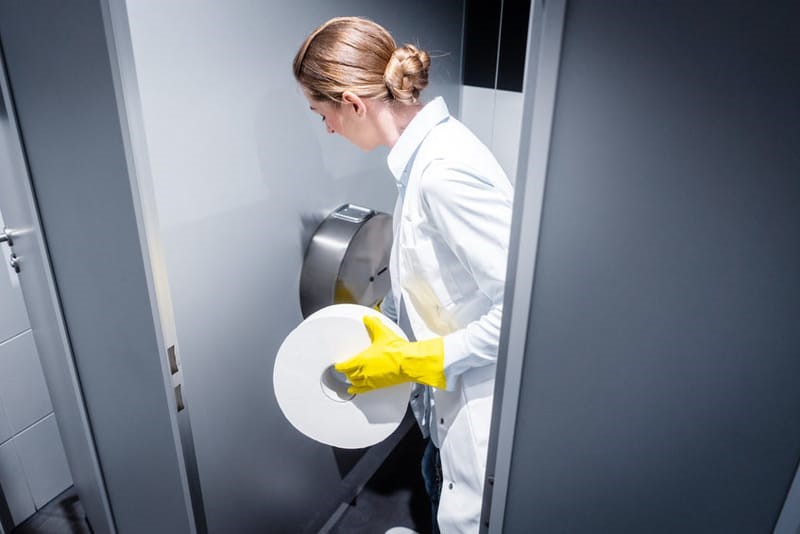
We usually focus on areas of food safety in staff areas of food businesses, but there are health risks that can occur in spaces specifically set aside for guests. Guest restrooms hold the potential to spread illness if not properly cleaned and sanitized. While we’d never suggest that you serve guests in your restrooms, it’s important food protection managers to realize that there are health risks that can arise from the condition of your facilities.

Revealing Risks In Guest Restrooms For Food Protection Managers
Image credit: kzenon via 123rf

Public Restrooms Sanitization Tips for Food Protection Managers

The cleanliness of your guest restroom greatly influences your guests’ perception of the cleanliness of your entire restaurant. You could have an immaculate kitchen, but if a patron enters an unsanitary restroom, they’ll question whether or not your entire establishment is sanitary. We strongly suggest that you make every effort to keep your public restrooms in the same state as your staff facilities. Every restroom should:

  • Be stocked with plenty of soap and paper towels
  • Be devoid of standing water on counters and floors
  • Have hot water readily available
  • Be regularly inspected for cleanliness
  • Have frequently touched surfaces sanitized often
  • Have a hand washing poster on display

At bare minimum, your guest facilities must be stocked with hot water, soap dispensers and plenty of paper towels. However, food protection managers should consider installing hand-free soap dispensers and hand dryers in their guest facilities. Over the course of your business day, numerous guests will touch soap dispenser pumps with bare hands leaving bacteria and other contaminates on the pump. These will transfer to the hands of other guests. If your guests do not thoroughly wash their hands, these pathogens might remain and cause a health risk when they return to their tables to eat.

Standing water not only makes your restrooms look unsanitary, bacteria can form on countertops that can cause a risk. Your food protection manager should assign staff members to regularly inspect restrooms to ensure this is not the case. During these inspections, they should also check soap and paper towel supply and sanitize door handles. Restroom door handles are constantly touched by unwashed hands and pose the greatest risk for contamination.

Finally, display a poster as a friendly reminder that handwashing is important. This will offer a simple suggestion to guests to wash their hands before returning to their table.

Do you have outlined procedures for keeping guest restrooms clean and sanitary?
ServSafe food manager trainiing review of hand washing dishes

Important ServSafe Food Manager’s Training Review For Handwashing Dishes

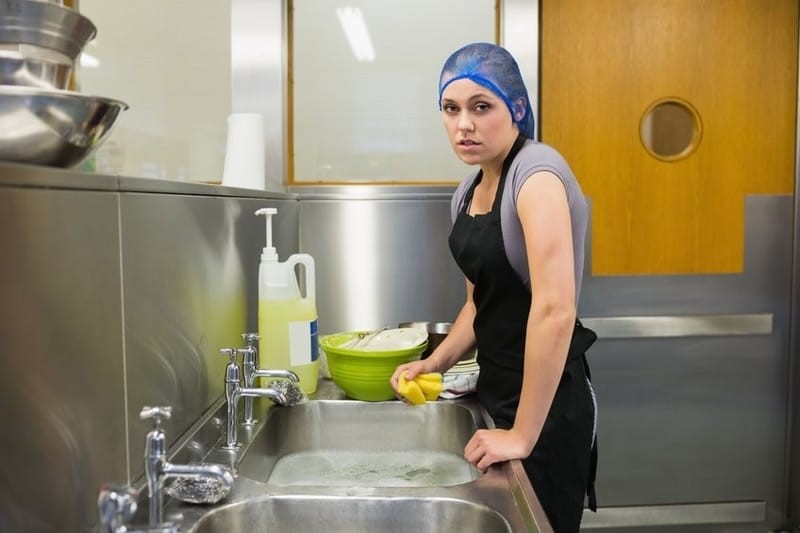
Most restaurants and food production facilities rely on mechanical dishwashing machines, but we should all be prepared in the event that the dishwasher malfunctions or some other scenario renders your machine inoperable. We all know you can’t serve your guests food on plates covered in grime, and if you do you may lose your guests due to food poisoning or simply disgust from being given utensils with chunks of the previous guest’s meal caked on the surface. Whether your business already washes your dishes manually or you rely on a mechanical dish machine, Every ServSafe food manager should regularly train their staff on manual warewashing procedures.

ServSafe Food Manager's Training Review For Handwashing Dishes
Image credit: wavebreakmediamicro via 123rf

ServSafe Food Manager Triple Sink Dish Washing Review

A ServSafe food manager should frequently train staff on proper manual dishwashing procedures. If you lose your mechanical dishwasher for any length of time, you need to rely on a triple-sink warewashing system. Each sink will serve a different purpose. The four step dishwashing process involves:

  • Washing
  • Rinsing
  • Sanitizing
  • Air Drying

The first three steps of the manual washing process must happen in their own portion of your triple sink. This will prevent remnants of food, detergents and other particles from ending up surviving the washing process.

When washing dishes in the first sink, it’s important to use hot, soapy water in order to properly clean utensils and plates. Cold water is ineffective during this step, so make sure the water is as hot as you can stand and wear protective rubber gloves to reduce the discomfort of hot water. During this step, scrub all food particles off of surfaces before moving on to the second sink.

After dishes have been washed, they need to be rinsed in clean water free of detergents and other contaminates. Supplement your rinsing sink with clean running water to properly rinse dishes during the second step.

The last sink should be reserved for sanitizing. There are two ways to properly sanitize hand washed dishes:

  • A properly tested sanitizer bath
  • Hot water over 171 degrees Fahrenheit

If you choose to sanitize in a sink with water and a sanitizer solution, your ServSafe food manager should regularly use a test strip to make sure that your chosen sanitizer solution is at appropriate levels. A weak solution runs the risk of leaving pathogens on surfaces increasing the risk of spreading foodborne illness while a strong solution could leave sanitizer on your dishes that could also sicken guests.

If you use hot water for sanitation, test the water in your sanitation sink regularly to ensure it remains above 171 degrees.

Has your ServSafe food manager reviewed your triple sink washing procedure lately?

Tips for Food Safety Managers

Really Simple Cold Weather Tips For Food Safety Managers

Different seasons bring different food safety challenges, but many times, food safety managers concentrate on the unique of spring, summer and fall and neglect certain hazards that can occur when the weather turns bitterly cold. While winter may not be as challenging as other seasons, there are a few food safety hazards to be aware of. We have highlighted some cold weather tips for food safety managers.

Really Simple Cold Weather Tips For Food Safety Managers
Image credit: 123rf

Tips for Food Safety Managers can Prevent Cold Weather Foodborne Illness and Safety Hazards

Some of the cold weather hazards may be difficult for food safety managers to identify, but a few important ones to monitor include:

  • Water temperatures in faucets and dishwashing machines
  • Contaminates from heating systems
  • Winter weather elements in the kitchen

The temperature of the water coming out of your faucets may be colder when the tap is turned on in the wintertime, especially at the beginning of your daily operations. At the beginning of shift or after long periods of inactivity, food safety managers should run the hot water in their handwashing sinks and dishwashing areas until a high temperature is reached. If cold water is coming out of the faucet instead of hot water, hands may not be properly washed and dishes may not become clean. Periodically check to ensure your hot water lines are charged with hot water.

In the winter, your heating system will operate frequently/constantly. Another tip for food safety managers is, take the time to regularly clean heating elements and ducts to prevent dust from blowing around your establishment. It might also be a good idea to hire a professional duct cleaner to service your heating system and replace air filters at the start of the cold season.

Winter weather brings snow, and it’s much easier for snow to make its way into the kitchen than other weather elements. We always appreciate a good snowball fight, but that should be left to the outdoors. The friendly rivalry between the front and back of the house can often boil over in the wintertime when plenty of ammunition if freely available when snow begins to fall. Snow can be contaminated, and a thrown snowball may contain pathogens that could sicken guests. Save the snowball fights for breaks and after hours in the parking lot.

How do you prepare for winter weather in your establishment? Do you have other tips for your fellow food safety managers related to cold weather?

Specialized Process Approved By MN Health Department

How To Get A Specialized Process Approved By The MN Health Department

During in-person certified food protection manager training, we get the opportunity to discuss food safety issues that are unique to our students’ businesses. On occasion, we have students looking for clarity on specific food preparation methods that may not directly be covered by the Minnesota food code. If there the code lacks guidelines that specifically address a certain cooking process does that mean that there are no rules or that that process is not allowed? The answer isn’t always that simple, so let’s take a look at how certified food protection managers can evaluate and get MN Department of Health approval for specialized processes not directly covered by the food code.

Specialized Process Approved By MN Health Department
Image credit: Malu Zhao via Flickr

Tips For Certified Food Protection Managers Using Specialized Processes Not Covered By MN Department of Health Food Code

When we refer to specialized processes, we’re talking about cooking and curing methods beyond the basics. Some specialized processes we’re asked about include:

  • Fermentation and Canning
  • Curing Meats
  • Reduced Oxygen Packaging
  • Operating a Live Shellfish Tank

All four of these specialized processes and others not outlined by the current Minnesota Department of Health food code require a written hazard analysis and critical control point plan (HAACP) and a variance approved by the health department. Without this variance, your business could fail a health inspection if you do not have an approved HAACP in place.

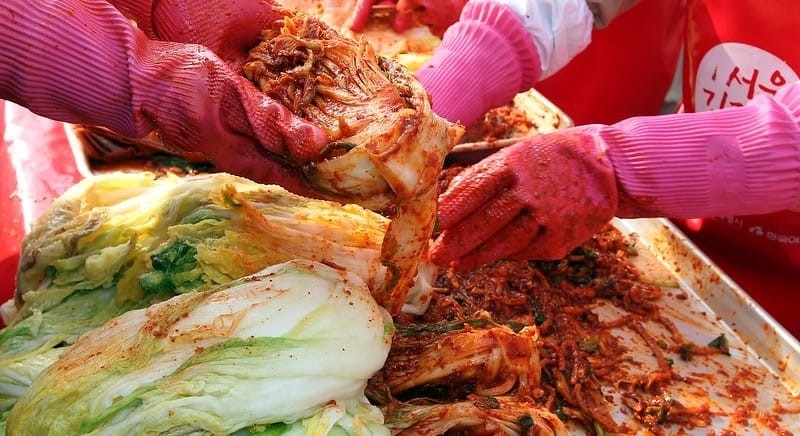
Fermentation and canning require a variance because they involve preservation processes that utilize additives such as vinegar or fermenting product outside of approved temperatures. Some examples include kimchi, jams and pickled items. Curing meats involves adding nitrates and other preservatives to create charcuterie, salami, jerky and other preserved items. These processes are not regulated by the current heath code and would be outlined as violations if not approved by your local health department.

The rules surrounding reduced oxygen cooking and packaging processes such as sous vide, vacuum packaging and other modified oxygen processes are also not clearly outlined and require special guidance from the health department. Some seafood restaurants may choose to keep live shellfish on display in a tank where customers can choose their meals, while it may not seem like a large risk, these types of display aquariums that contain servable product must be also approved.

Obtaining a variance isn’t as difficult as it may seem. Most health inspectors are willing to work with certified food protection managers in order to keep food safe and allow for creativity. Before applying for a variance make sure your consider a written plan that includes:

  • A food safety hazard analysis
  • Critical control points
  • Limits for preventative measures
  • Monitoring procedures
  • Corrective actions during monitoring
  • Effective record keeping protocol
  • Procedures to ensure the HAACP is working

If you have any trouble constructing a HAACP plan, it may be wise to consult with your local health inspector to ensure that your procedures are keeping your specialized processes safe .

Do you use Special preparation procedures not outlined by the Minnesota food code that may need MN Health Department approval?