
Archive for month: August, 2025
Serving All Guests: A Certified Minnesota Food Manager’s Guide to Service Animal Rules
/0 Comments/in Certified Food Manager MN, MN Food Safety/by Jeff WebsterWith the Labor Day weekend approaching, restaurants across Minnesota are preparing for a welcome surge of customers looking to enjoy the last days of summer. As a certified Minnesota food manager, finding the right balance to ensure a smooth and positive experience for every guest is a top priority. One situation that can cause confusion for even the most seasoned staff is navigating the rules around animals in the dining room. Understanding the clear legal distinctions between service animals and other animals is not just excellent customer service—it’s a critical part of your compliance and hospitality strategy.
Knowing the correct way to welcome a guest with a service animal while confidently upholding your establishment’s policies is key. This guide will clarify the official service animal rules so you and your team can handle any situation with professionalism and respect.
Supporting All Guests: A Commitment to Hospitality
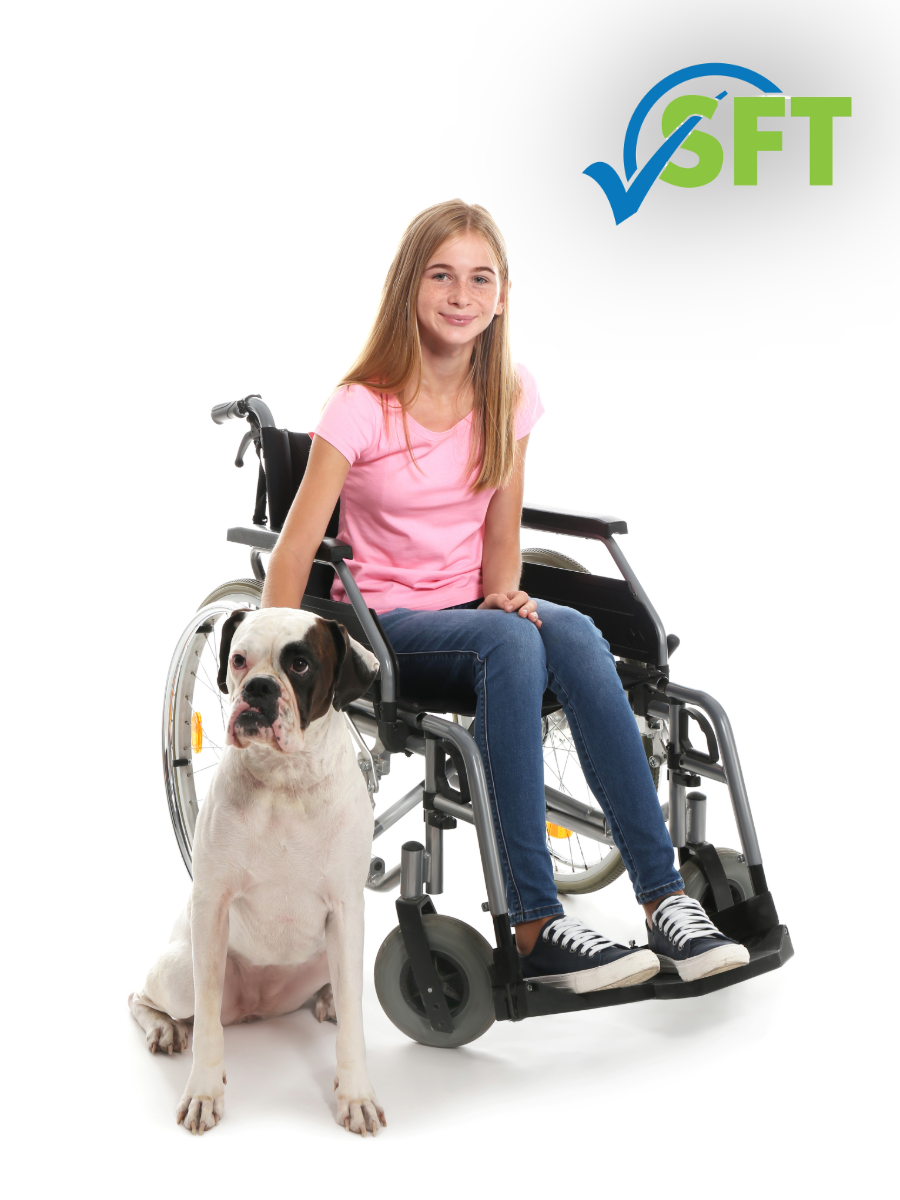
Before diving into specific rules, it’s important to frame this issue as one of hospitality and inclusion. According to the CDC, one in four adults in the United States lives with a disability. This means a significant portion of your customer base may rely on a service animal to navigate the world. For these individuals, dining out isn’t just a meal; it’s an exercise in trusting that establishments will be accessible and welcoming. By training your team to handle these situations correctly, you are not just following the law—you are showing a large and loyal segment of your community that they are valued and respected.
The Law Is Clear: Service Animals Are Welcome
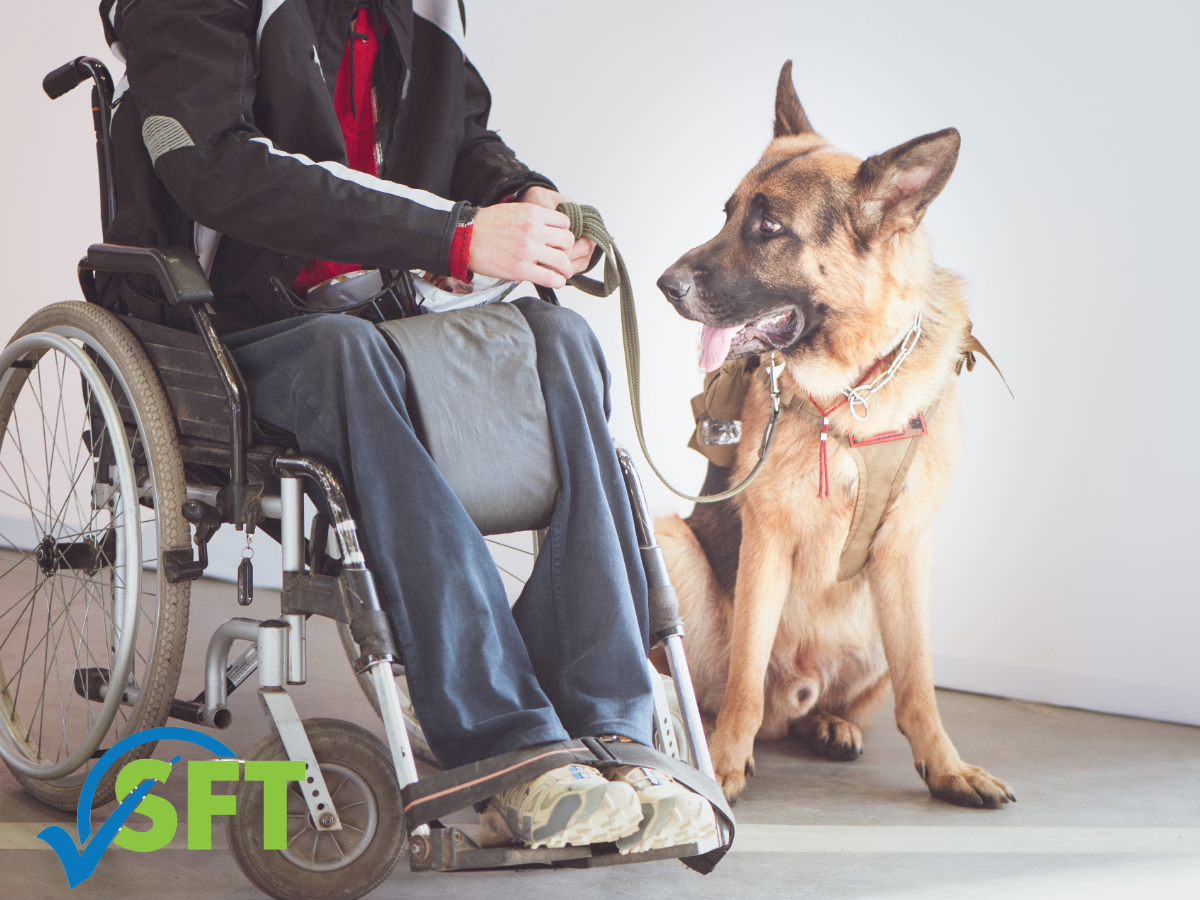
Under the Americans with Disabilities Act (ADA), a service animal is not a pet. Businesses serving the public must allow service animals, working animals considered medical equipment, to accompany their handlers in all areas open to customers. For a restaurant, this means the main dining room, waiting areas, and restrooms.
Understanding the legal definition of a service animal and permissible questions is crucial.
- What is a service animal? The ADA defines a service animal as a dog that has been individually trained to do work or perform specific tasks for a person with a disability. In some cases, a miniature horse may also qualify. The animal’s task must directly relate to the person’s disability.
- What can you ask? When it is not obvious what service an animal provides, you may only ask two questions:
- “Is the dog a service animal required because of a disability?”
- “What work or task has the dog been trained to perform?”
- What is a service animal? The ADA defines a service animal as a dog that has been individually trained to do work or perform specific tasks for a person with a disability. In some cases, a miniature horse may also qualify. The animal’s task must directly relate to the person’s disability.
What can you NOT ask? You cannot ask about the person’s disability, require them to show medical documentation, or demand a special ID card or training certificate for the animal. You also cannot charge a fee for the service animal.
Service Animals vs. Emotional Support Animals: A Crucial Distinction
This is where most confusion arises. While often grouped together, emotional support animals do not have the same legal protections as service animals under the ADA. You and your staff must understand the difference.
- Emotional Support Animals Are Not Service Animals: No one individually trains an emotional support, therapy, comfort, or companion animal to perform a specific job or task. Its presence provides a benefit, but it does not have the legal standing of a service animal. Therefore, the ADA does not grant them access to public places, such as restaurants.
- Your Policy Matters: You may legally prohibit emotional support animals from your dining room. This holds true even if you have a pet-friendly patio. You can enforce a “no pets” policy for animals that do not meet the ADA’s definition of a service animal.
Clear Communication is Key: Having a clear, consistent policy and training your staff to communicate it politely is crucial. A customer may not be aware of the difference, and a respectful explanation can help prevent a difficult situation from escalating.
Maintaining a Safe and Welcoming Environment for Everyone
Accommodating a service animal does not mean sacrificing the safety and comfort of your other guests. The ADA outlines reasonable behavioral standards for service animals, and the handler is responsible for meeting them.
- The Handler Must Be in Control: The service animal must be under the handler’s control at all times. This usually means being on a harness, leash, or tether. The animal should be well-behaved, not barking excessively or creating a disturbance.
- When You Can Ask an Animal to Leave: You can legally ask for a service animal to be removed from the premises if it is out of control and the handler does not take effective action to control it, or if the animal is not housebroken.
- Serve the Handler, Not the Animal: If you justifiably remove a service animal, you must still serve the person with the disability. The goal is to address the animal’s behavior, not to refuse service to the individual.
Navigating the rules for service animals is a vital part of being a certified food manager in Minnesota. By understanding the law, training your team on the two key questions, and knowing the difference between service animals and emotional support animals, you can ensure a safe, legal, and welcoming environment for all your guests this Labor Day and beyond.
Don’t wait for a challenging situation to test your team’s knowledge. Whether you are pursuing an initial certification or need to fulfill your three-year continuing education requirements, Safe Food Training offers personalized, instructor-led options in Minnesota to ensure you and your team are prepared.
Protect your customers and your reputation by registering for a course today.
Food Safe Training: A Guide for School Cafeteria Workers
/0 Comments/in Food Borne Illness, Safe Food Training MN/by Jeff Webster


Effective safe food training is the most important step for protecting student wellness. As a certified food protection manager on the front lines, your role is more critical than ever, with many schools now offering breakfast, lunch, and after-school meals. A focused review of food safety is the best way to prepare for a healthy and successful school year.
Your Back-to-School Safe Food Training Checklist
Before the school year kicks into high gear, it’s the perfect time for a thorough review of your facilities and procedures. A simple checklist helps you avoid overlooking details.
1. Start with a Comprehensive Deep Clean
A clean kitchen is a safe kitchen. After a quieter summer, certified food protection managers must oversee a thorough sanitation of all food service areas before the first food delivery arrives. This provides easier access to storage and hard-to-reach places. Pay special attention to these hidden breeding grounds for bacteria:
-
- Floor Drains: Moisture and food particles can accumulate in drains, creating an ideal environment for pathogens like Listeria. Use an approved drain sanitizer regularly.
-
- Behind and Under Equipment: Daily cleaning often misses the areas behind ice machines, ovens, and counters. To thoroughly clean and sanitize floors and walls, pull equipment away from the walls.
-
- Dry Storage Areas: Shelving for dishes and food products can collect dust and debris. Wipe down all shelving and storage containers to prevent contaminants from falling onto clean dishes or into food.
2. Review Critical Food Handling Procedures
Serving hundreds of students safely requires constant vigilance. A pre-service team meeting is the perfect setting to reinforce these core food safety principles that all school cafeteria workers must master.
-
- Master Temperature Control: The temperature “danger zone” (between 41°F and 135°F) is where bacteria multiply at the fastest rate. Hot foods must be held at or above 135°F, and cold foods must be kept at or below 41°F. Remind staff to check holding temperatures using a calibrated thermometer frequently. When reheating food, ensure it passes through the danger zone as quickly as possible to prevent bacterial growth.
-
- Prevent Cross-Contamination: Use separate cutting boards, utensils, and gloves for raw meats and ready-to-eat foods, such as fresh fruits and vegetables. This simple but critical step prevents the transfer of harmful bacteria from one food item to another.
-
- Uphold No-Bare-Hand Contact: This is a non-negotiable rule in the food service industry. All ready-to-eat foods must be handled with single-use gloves, tongs, scoops, or deli tissue. Ensure these utensils are clean, in good condition, and are readily available at all workstations.
3. Reinforce Staff Hygiene and Wellness Policies
Healthy people staff the healthiest kitchens. Food safety extends to personal practices, so it’s crucial to review your team’s role in preventing the spread of illness.
-
- Champion Proper Handwashing: Gloves are not a substitute for clean hands. Review the proper handwashing technique—using soap and warm water for at least 20 seconds—before starting work, after handling raw meat, after using the restroom, and before putting on new gloves.
-
- Enforce an Employee Health Policy: Staff must understand the importance of reporting symptoms, such as vomiting, diarrhea, or fever, to a manager. Establish a clear policy that outlines when an employee must stay home from work to prevent the potential spread of an outbreak.
-
- Maintain Professional Appearance: Clean uniforms, properly restrained hair, and minimal jewelry are not just about looks—they are vital for preventing physical contaminants from ending up in food.
Are You and Your Team Certified and Ready?
These procedures are central to any professional food safety program. Whether you’re a certified food protection manager or a key part of the cafeteria staff, ensuring that you and every team member hold a valid food safety certification protects your students, your colleagues, and the school’s reputation.
If you or your employees need certification, contact us to learn about our instructor-led safe food training options in Minnesota. We can get you and your team certified and ready to serve safely.
About Us
Recent Posts
- Farm-Fresh vs. Store-Bought Eggs: An Easter Food Safety Guide
- The Essential Guide to CFPM Requirements for Minnesota Food Trucks
- Keep it Under Wraps: The Truth About Hair Restraints in MN
- Is Your Kitchen in the Danger Zone? A Guide to Precision Temperature Control
- When Can a Sick Employee Return to Work? The MN Food Manager’s Guide to Illness Reporting