Fundamentals Of Bare Hand Contact Rules For A CFPM

Fundamentals Of Bare Hand Contact Rules For A CFPM

The current food code clearly states what is acceptable and what is not, but there are certain regulations where there may not be a clear definition of nuances. One such rule that a Certified Food Protection Manager- CFPM must be prepared to enforce is the no bare hand contact rule.

This rule came to the forefront of food safety news earlier this year when California restaurateurs fought to repeal the ban on bare hand contact with ready-to-eat foods. It is important to understand how to properly comply with this rule in our state.

Fundamentals Of Bare Hand Contact Rules For A CFPM

Image credit: Free Images on Pixabay

CFPMs Training for Bare Hand Contact Have Alternatives

Certified food protection managers can teach several alternatives to handling ready-to-eat food with bare hands.

  • Gloves
  • Tongs
  • Deli tissue
  • Spoons and other utensils

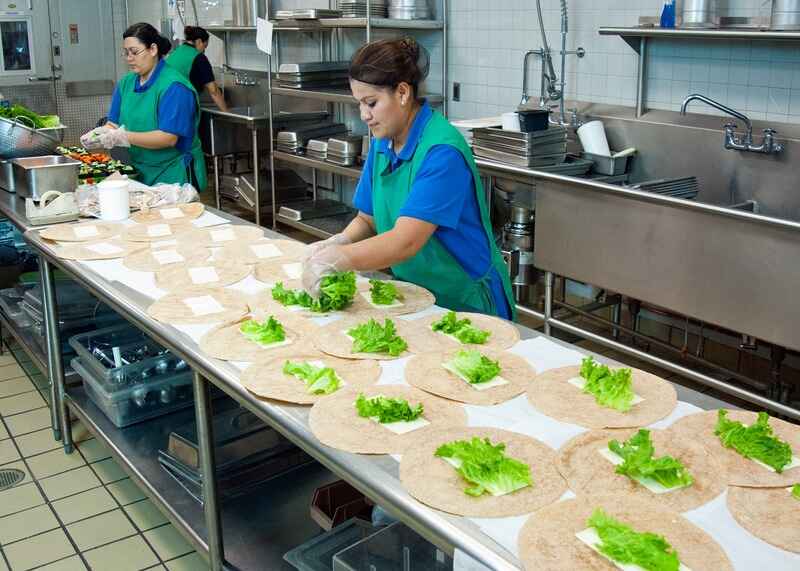
The most common of these options is to require food handlers to use gloves. The most commonly used types of gloves currently used are either latex or vinyl. Due to potential allergies, 5 states have passed legislation to ban the use of latex products in food service and other industries. Expect this trend to continue as other states are sure to follow suit. At present both latex and vinyl gloves are acceptable in MN. However, it is likely that health department inspectors will recommend vinyl at the next visit.

While gloves are preferred, deli tissue can be used at service counters or in situations where constant glove changing would be necessary. Hot foods require the use of utensils.

Since the implementation of the no bare hands rule, the health department has noticed a downward trend in proper hand-washing procedures. A  CFPM needs to provide their employees with proper education concerning no bare hand contact and hand washing. Here are a few points that should be monitored.

  • You must use soap during handwashing
  • Hand washing should take at least 20 seconds
  • Gloves cannot simply change after handling food, employees must wash their hands between glove changes.

These are three simple things that certified food production managers may overlook as glove use increases. Along with the current trend to ban latex, another potential increase in bare hand contact regulations may be to require that gloves be worn at all times whether with ready-to-eat foods, raw foods, or utensils that may come in contact with food products.
A Tremendous Certified Food Manager Guide To Food Waste Control

Food Waste Control and Solutions for the MN Certified Food Manager

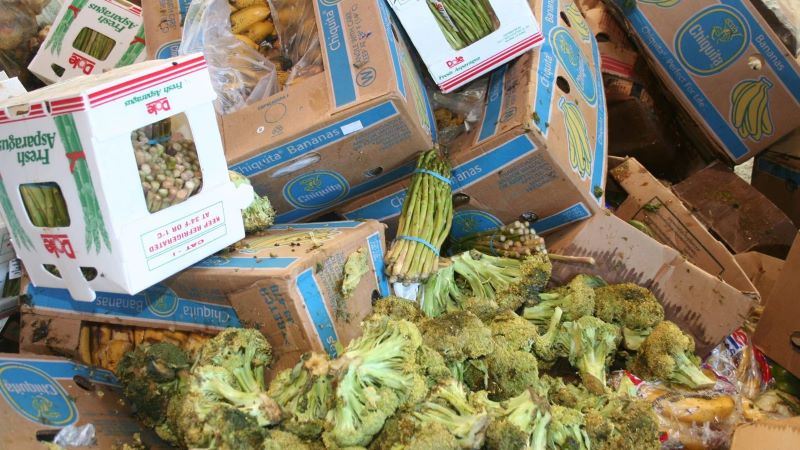
In any food production facility, whether it be a restaurant, industrial production factory or institutional facility, waste is always an issue of concern. A certified Food Manager know that food waste can eat into company profits, take away from other budgeted expenses and increase waste disposal costs. A recent article entitled “Reducing Food Waste Can Improve the Bottom Line and the Environment.” brings up some interesting points concerning this issue.

Certified food manager guide showing a pile of food waste

Image credit: friendsoftheearth.uk

Where Food Waste Comes From

It is usually not difficult to realize that you are wasting food product. You may notice fuller garbage cans and increased food spoilage in storage areas. It is important to discover exactly where your waste is coming from. Here are a few common causes of food waste.

  • Over production of prepared foods
  • Ordering more product than is needed
  • Preparation mistakes
  • Lack of controlled preparation methods

As a MN certified food manager, keeping close tabs of how much food product is order and what you need to prepare will go a long way towards reducing waste. Another key in keeping food waste in check is to have strict standards and procedures when it comes to production. Employees who are unsure of what ingredients need to be assembled, how much of any given food product they need and how to put them all together will generate waste of extra ingredients and over-produced product. A controlled set of procedures will ensure that everything that is produced is consistent and waste free.

What Should We Do With Our Waste?

Even under strict control, waste in the food industry is inevitable. The article we referenced earlier has some creative and useful ways to deal with waste.

  • Donate excess prepared product to charities that feed the needy in your community
  • Reach out to farmers who purchase food waste for animal feed and natural compost
  • Sell used grease and oil to producers of bio-fuels

The last place we want our waste to end up is in a land fill. With some careful planning and creative thinking we can not only reduce our waste, but in some cases generate income from it.

ServSafe Managers Should Consider When Using Local Farmers

6 Important Tips For ServSafe Managers Using Local Growers

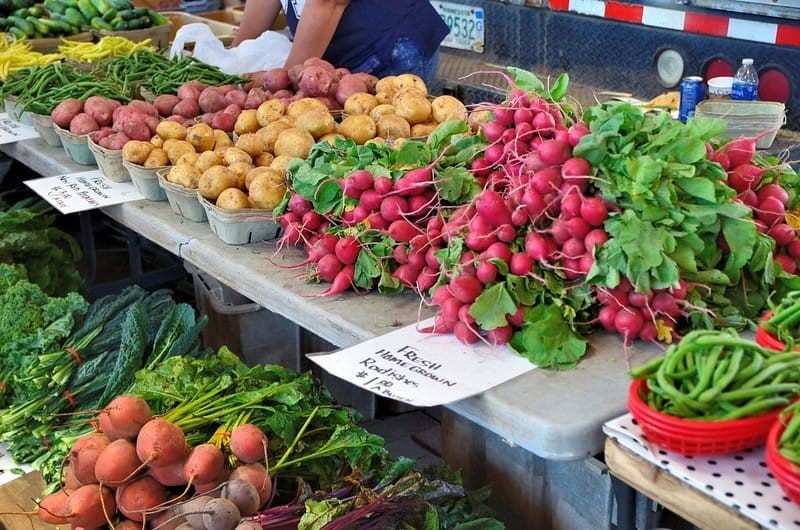
According to the Minnesota Department of Health, the use of local produce at MN food facilities has risen considerably in the last decade. While buying locally requires extra work and extra attention, the results are usually well worth the time. Local produce is fresher. Buying local food supports the community and the environment. There is growing consumer demand for local food. Using local produce can substantially increase a food establishment’s popularity. We created a list that ServSafe Managers should consider when sourcing produce from local growers.

6 Important Tips For ServSafe Managers Using Local Growers

Six Things for Restaurant Managers and ServSafe Managers To Consider When Using Local Farmers

This information is helpful for ServSafe Managers certification in MN.

  • Take Small Steps – It is easy to add a few items to existing menus.  For example, it’s possible to extend a salad bar to include local tomatoes and specialty greens in season. Local fruits and vegetables can replace the standard fare from a national distributor. Local varieties of root vegetables can substitute for more generic produce. Start small, and adjustments are easier to make.
  • Buy in Season – The great advantage of local produce is that it does not travel far. It is harvested at its peak of flavor and ripeness. It is consumed closer to the time of its harvest. Buying in season saves money and generally guarantees freshness. By keeping track of what is available throughout the growing season, ServSafe managers optimize their use of items from local growers.
  • Work With Distributors – Many distributors have expanded to include the local produce markets, at least in part. Check with your existing distributors to make sure they include local produce. As demand for local produce grows, so do services to provide that food effectively. Local distributors will have email lists, websites, phone hotlines and other means of letting their customers know what is available week to week.
  • Visit the Farm – Buying local produce is an investment in the local community. Farms frequently have visiting days during the harvest season. Checking the care, cleanliness, and competence of farm production and personnel will build confidence and a good working relationship with local growers. Local growers should be aware of requirements for ServSafe managers certification.
  • Plan Effectively – Using local produce requires flexibility. Buy produce in season. Take advantage of weekly specials. If a local product is not available, the distributor may offer a substitute. Keep a close eye on spoilage, and rotate what’s been purchased. Use produce as close to purchase time as possible.
  • Keep Track – Take special care to check in orders for local produce, especially as there may be numerous small orders in each delivery. Always get a receipt, and save it. Document and analyze your purchases to determine if the use of local produce is cost-effective.

These are some of the challenges and benefits to food service and restaurant managers when using local produce. As a certified ServSafe Manager do you treat locally grown food differently then food from national suppliers?

A food safety certification tip- creating a simple trap can be used to catch fruit flies

The Ultimate Food Safety Certification Guide To Controlling Fruit Flies In MN Restaurants

Fruit flies are one of the most invasive restaurant pests in MN this time of the year. While MN food safety certification training does not specifically cover how to control fruit flies, keeping them out of your facility is an important part of maintaining a clean and safe environment.

Food Safety Certification Guide To Controlling Fruit Flies

Food Safety Certification Guide To Controlling Fruit Flies

Keeping a clean kitchen is an obvious step towards preventing a fruit fly infestation. However, a simple surface clean will not be sufficient to avoid the appearance of fruit flies. A deep clean will be necessary to remove potential fruit fly nesting sites. Hidden breeding grounds often exist under refrigeration units, sinks, and designated preparation areas.

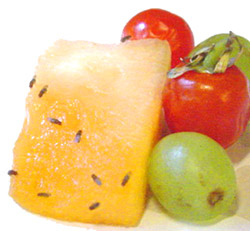
Fruit flies thrive on fruit and vegetable matter. Keeping fruit and vegetables from becoming nesting grounds for these pests is crucial. This is not only for keeping them out of the kitchen but also for food safety. Storing normally shelf-stable produce under refrigeration rather than on counter surfaces will keep your fruits and vegetables out of warmer temperatures. This is important because warmer temperatures are where fruit flies thrive.

Maintaining produce quality for items that are located in dry-storage locations is vitally important. A potato or squash that has begun to rot will not only attract pests. It will become a major breeding ground. This breeding ground has the potential to infest your entire workspace. Keeping your produce areas clean and free of spoiled items will greatly reduce your risk.

Even if you have taken all the necessary steps to prevent fruit flies from finding nesting grounds, they will inevitably make an appearance. The next step is to remove them from your work space.

Fruit fly strips are easily accessible at local hardware stores, but you must exercise caution when using them in food preparation facilities. MN food safety certification training states that all pest control chemicals must be kept away from food. Proper placement for fruit fly strips will be in places such as inside the lids of covered garbage cans, near compost containers and under sinks and other surfaces.

A Simple Homemade Trap

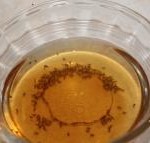
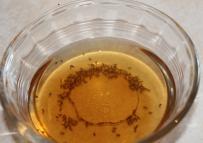
Homemade trap for fruit flies is not part of food safety certification training but it works

For areas where a fruit fly strip will not be an option, such as near food preparation areas and where they will be visible to customers, a rudimentary trap may be an alternative. These can be easily created with a shallow transparent glass or bowl. Fill it with a small amount of apple cider vinegar or orange juice. Then, place a thin film of dish soap on top. Fruit flies will be attracted to the sugar of the vinegar or juice. They will become trapped when the soap prevents them from breathing.

While MN food safety certification training does not outline steps for preventing these invasive pests, such as fruit flies, there are ways to control their presence and provide a safe and healthy food preparation environment.