
Customized Food Handling Training Courses

Customized Food Handling Training Courses

The food service industry is unique in the fact that many different types of businesses fall under the food service umbrella. The training needs of a restaurant defer from the certification requirements of school cafeteria and food processing outlets may have specialized protocols for food handling training. Since many different types of facilities exist, why should the same food handling training be given to the employees of different types of food service businesses?

Customized Food Handling Training Courses

Image credit: Pixabay-PIRO4D

There are many benefits to providing customized food safety training for your employees.

  • Training can be tailored to your type of business
  • Training can occur on-site at your facility
  • The appropriate certification test for your facility can be given
  • Training can occur on your time

One of the greatest advantages to arranging a customized training session is that the food handling requirements of your staff’s day-to-day routine can be addressed. It’s even more advantageous when the training occurs at your facility so that your instructor can see exactly how food safety procedures will be implemented.

With customized training, you don’t have to wait for the next ServSafe, HACCP or any other certification class and exam. You can request specifically the certification that you require, and you can work with the instructor to perform the training at a time that works for you and your staff.

At Safe Food Training, we can gladly work with you to design a course that will meet your certification requirements and help keep your food safe. We also offer online and regularly schedule training classes and certification examinations. Would a customizable food training course work for your business?

Food Safety Certification Smartphone Training Apps

Food Safety Certification Smartphone Training Apps

Every day, the modern smartphone becomes more and more ingrained into our daily routine. Nearly everyone has one, and it is one device that never seems to be too far out of reach day and night. That got us thinking about what a smartphone can do to improve food safety not only in the food service industry but wherever we go.

Food Safety Certification Smartphone Training Apps

Image credit: Pixabay/geralt

Food Safety Certification Training on Mobile Devices

A quick search for food safety apps on your device’s app store will reveal that there are a plethora of food handling apps that range from at food safety tips to food safety certification preparation, study guides and practice tests. Many of these apps are free to download, while some from more official sources require a small amount of money to acquire. With this information literally at your fingertips, you can quickly find the answers or resources whenever you have a food safety question or would like to take a quick refresher course.

Before you dive head first into any food safety app, it is important to note that these apps may not be endorsed by your local health department. While they can be a valuable resource, you should be double checking any questionable material with your official food certification training guides or the Minnesota Food Code.

We’ve been having fun checking out some of these mobile resources. We can only wonder what the future of technology and food service training holds. Hopefully VR and robotic food certification instruction is far off into the future and we hang on to our need of human interaction, at least for a little while.

Do you have any apps that have helped you keep on top of food safety or make any aspect of your business easier?

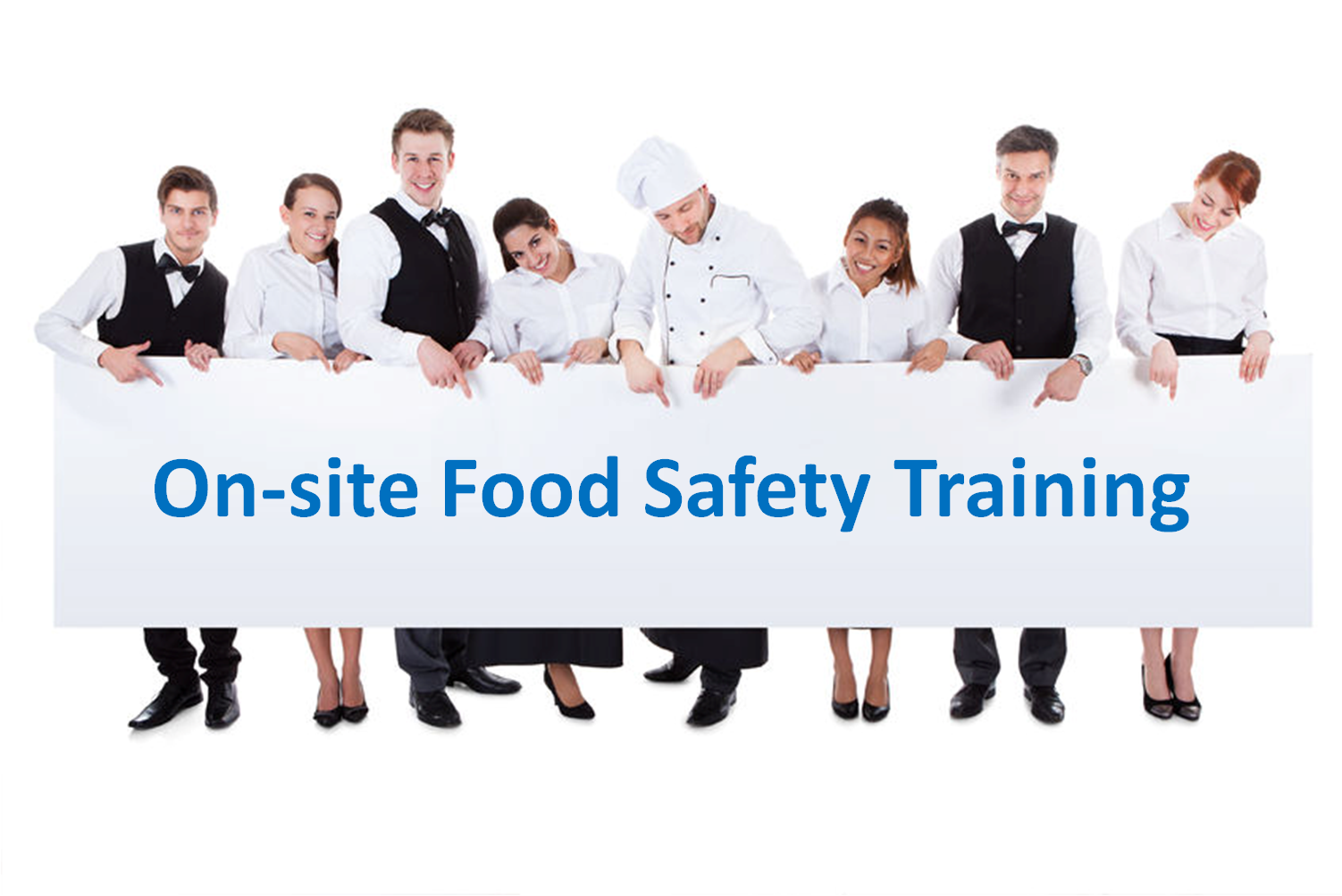
On-site Food Safety Training

Making the Best Use of Downtime and Food Safety Training

The winter months bring with them a significant amount of downtime for food industry professionals. Some outlets use this time for maintenance projects, menu overhauls, kitchen upgrades or performing deep-cleaning tasks. These efforts go a long way to making your facility better, but we also feel that downtime can be used to update and review food safety training.

Food Safety Training During Slow Business Hours

Most food production facilities should keep food safety training materials on-site for reference or training new employees. The slow weeks at the beginning of the year offer a perfect opportunity for reviewing these materials and making sure that are up to date and reflect the current Minnesota Food Code.

This time of year also grants you the time to allow your staff review these procedures while at work and on the clock. Allocating training time while your staff is on the job will motivate them to actually review the material. If you assign homework to your kitchen staff and ask them to review training materials off of the clock, they may not be motivated to take their review seriously. Granting them access to the materials at work and allow them to get paid for their efforts will ensure that they see that you take their time seriously.

After you and your staff review food safety protocols, it may be a good idea to perform a self-inspection in your kitchen. Involve the entire staff in this process. Different employees have different responsibilities, and they may have ideas that can make your kitchen a safer place. Your line cooks may see aspects of the production line that you don’t see every day and your wait staff can help inspect the front of the house and inform you of any potential hazards they may see.

At Safe Food Training, we feel that involving your entire staff in this review and self-inspection process results in keeping your product as safe as it can be. Do you have any other unique procedures during the slow months of the year?

Certified Food Managers and January Marketing Ideas- Vegetarian

Certified Food Managers and January Marketing Ideas

With the holiday rush over and the new year beginning, January can be one of the slowest months of the year for food service businesses, restaurants in particular. Many potential diners swear off eating out in favor of healthier options and others attempt to conserve their finances to make up for over spending on Christmas presents and December activities. While business declines, it does not necessarily halt completely and there are ways certified food managers can cater to guests looking to start a new diet or stick to a budget.

Certified Food Managers and January Marketing Ideas- Vegetarian

Image credit: 1283603-pxhere.com

How to Bring in Guests After the Christmas Season

When the clock strikes 12 on December 31st, many people resolve to eat healthier in the new year. Certified food managers can capitalize on these resolutions by providing new, healthier options on their menus or as rotating specials. Some popular diet choices include:

  • Gluten-free
  • Vegetarian
  • Zero sugar
  • Low-carb

Your creative kitchen staff should be able to come up with dishes that appeal to those seeking to lose weight via one of these popular diets, the only challenge is getting the word out that you have these items available. Social media is a great outlet to draw attention to your new menu choices. Posting pictures and highlighting the dietary benefits of these new dishes will grab the attention of your possible guests searching for healthy dining outlets.

Reaching people with a limited budget presents both a challenge and an opportunity. Restaurateurs need to go further than offering discounted menu item or distributing coupons. Offering visitors to your establishment something special at an affordable rate will appeal to a wider range of patrons than a simple coupon. Three course meals are a popular choice. You can offer guests smaller portions and give them a full meal experience that fits in their budget. Just make sure that you’re presenting them with a creative option rather than a scaled down version of regular menu items. Your creativity will be rewarded.

If you have any other tips for generating business during the January lull, please feel free to share them in the comments section below.