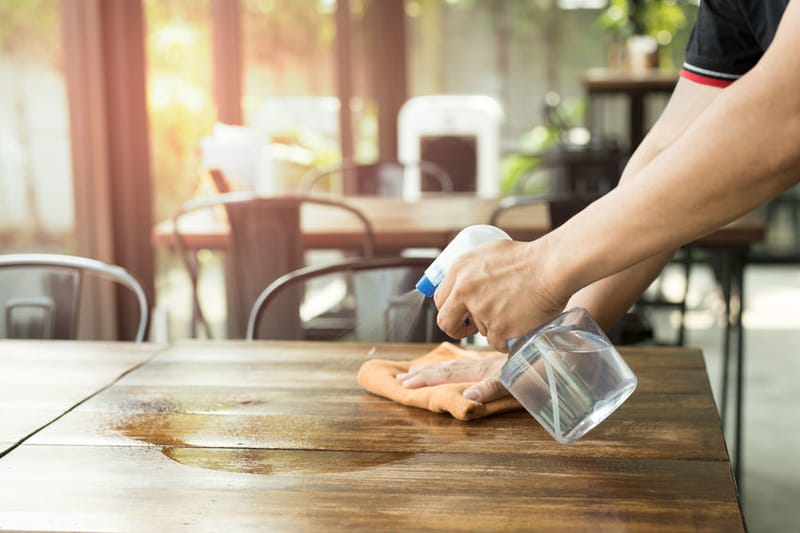
Waiter demonstrating Servsafe sanitation post COVD-19 shutdown

COVID-19 and ServSafe Sanitation

The coronavirus pandemic has changed the way foodservice businesses operate and will continue to change food safety procedures for the foreseeable future. Once eating establishments are finally permitted to seat guests in their dining rooms, ServSafe food managers will have to change their sanitation procedures and the way they enforce certain food handling rules after the COVID-19 shutdown. This week, we’d like to take a look at what these new sanitation procedures could look like.

ServSafe sanitation post COVID-19 shutdown

Post COVID-19 Shutdown ServSafe Sanitation Guide for Restaurant Reopening

At this time, there is no recommendation to deviate from the types of sanitizer solutions recommended in Minnesota Food Code sanitation procedures, so it’s not necessary to increase the concentration of bleach, iodine or quaternary ammonia compounds in sanitizing solutions. In fact, using a solution with higher concentrations than recommended could pose a health risk to staff and guests should excess sanitizer chemicals end up in customers’ food or create a toxic atmosphere when working in close contact with these over-powered solutions.

Whether you’re open for business as usual or your establishment is still only providing takeout service, it’s important to sanitize all surfaces regularly. The most touched surfaces should be sanitized many times a day. Make sure these frequently used surfaces are sanitized often:

  • Countertops
  • Door knobs and handles
  • Guest tables
  • Chair backs and high chairs
  • Handrails

Once we return to in-house service, we’ll have to consider many more items for sanitation to help stop a resurgence of the COVID-19 virus. While every establishment will be different, we’ve come up with a few items that aren’t normally sanitized that you may wish to include in your ServSafe sanitation training:

  • Credit cardholders
  • Touchscreens in ordering kiosks, tablets and wait stations
  • Pens used by customers to sign credit card receipts
  • Seatbacks and chair arms
  • Light switches
  • Soap dispensers
  • Other implements that may be handled or breathed on by staff or customers

We must also remember that out of the way areas should be sanitized regularly as well. Some locations may not need hourly cleaning, but regular sanitation should occur everywhere in your facility. Think of surfaces such as doors, equipment such as mixers, exteriors of refrigeration units and any other surface than may not be touched too often, but still potentially come into contact with the breath of employees and customers.

It may seem overboard to some, but ServSafe sanitation will have to take on a higher level of vigilance in the coming days once we begin to reopen our restaurants. What steps will you be taking to help prevent a resurgence of COVID-19?
Reopening Restaurants and Food Safety Training

Reopening Restaurants and Food Safety Training

With Minnesota’s stay-at-home order extended until May 18th, we’re still left with plenty of uncertainty as to when restaurants will be able to return to normal operation. While we don’t know when or how we will be able to allow guests to dine-in in our restaurants, it’s a good idea to start preparing for the time when we’ll be able to do so. The National Restaurant Association, a premier food safety training organization, has published a guide to help restaurateurs prepare for reopening their eating establishments.

Reopening Restaurants and Food Safety Training
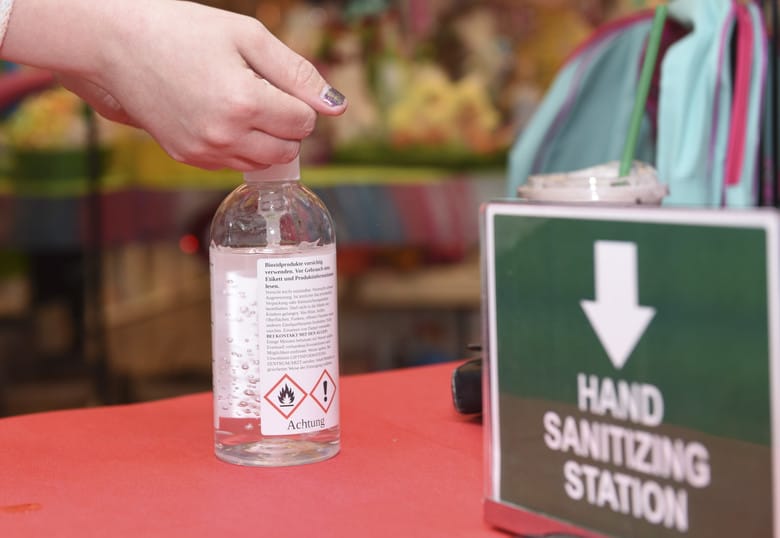
Image credit: Ramstein Air Force Base

Food Safety Training Guide to Reopening Eating Establishments

In the National Restaurant Association’s recommended guidance, they’ve broken down four aspects of reopening and food safety training that certified food managers must consider before and during the reopening process.

  • Food Safety
  • Cleaning and Sanitizing
  • Employee Health and Hygiene
  • Social Distancing

While our food safety training procedures must be adjusted to account for reducing the risk of the spread of COVID-19, we must not allow food safety to take a back seat. Preventing corona virus transfer and keeping the food we serve safe can go hand in hand. Here’s a few things you should consider to prioritize food safety.

  • Wash cooking and serving utensils more often than normal.
  • Keep inventory at appropriate levels for reduced service to prevent spoilage.
  • Promote food safety by continued training and monitoring.

Cleaning and sanitizing is a process that can be started now, even before reopening is allowed, and should continue daily as you reopen or provide take-out service as long as stay-at-home rules are in place. Knobs on equipment, light switches, door handles, countertops and other places that are constantly touched should be prioritized, but don’t forget out of the way places that are only contacted a few times a day, or even just once a week. Once we are allowed to reopen, make sure tables, self-ordering kiosks and anything else a guest may touch is sanitized before seating new guests at tables.

The health and hygiene of your staff is now more important than ever. Let your staff know that they must call in sick if they have any signs of illness. Any employee with a fever, cough or other corona or flu-like symptoms must remain home. If an employee does become ill, make sure they are symptom free for at least three days before returning to work. In the event a staff member contracts COVID-19, follow all CDC guidelines.

Finally, enact appropriate social distancing protocols. We don’t know exactly what Minnesota’s regulations on these may be just yet, but we have some things to consider:

  • Separate seated tables by at least six feet
  • Consider self-ordering kiosks or tablets at each table
  • Promote reservations or request guests call ahead to limit waiting with other guests
  • Provide sneeze guards or barriers between service staff and guest where appropriate

Once we have more concrete information from the Minnesota Department of Health, we’ll share our state-specific rules with you. Stay safe and stay healthy.

COVID-19 Resources for CFPM's

COVID-19 Resources for CFPMs

Many small businesses across the country have been hit hard by measures put into place to slow the COVID-19 outbreak, but restaurants, in particular, have taken a huge financial hit since social distancing protocols have been enacted. If you’re a small-business restaurant owner or the certified food protection manager(CFPMs ) of a small to medium sized establishment, you should familiarize yourself with some COVID-19 related resources that can help your business survive until it’s time to open up for more than just takeout service.

COVID-19 Resources for CFPMs-SBA Payment Protection Plan
Image credit: shealah_craighead via Flickr

COVID-19 Related Financial Aids for CFPMs and owners of Small Restaurants

One of the most talked about financial programs for small-businesses is the Paycheck Protection Program (PPP). The PPP is a loan set up by the U.S. Small Business Association (SBA) to not only help small businesses stay afloat but be able to pay their employees during these hard times. While there are some rules to follow, the SBA may forgive some or all of your loan balance if you keep employees on payroll for eight weeks, use the money to pay utilities, rent, mortgage interest and keep payroll funded.

There are also Non-government COVID-19 related resources for restaurant owners and CFPMs. Several companies that are making it easier, and free, for restaurants to take to-go and delivery orders as well as provide ways for potential customers to know that you’re still open for take-out and delivery.

The Ordering App is waving it’s 1.5% ordering fee until July 1.

Google is offering ad credits for small and medium-sized businesses.

Yelp is offering numerous incentives. They are offering free access to Yelp Reservations and Yelp Waitlist for three months to help smaller restaurants facilitate orders. Yelp is also offering several different options for relief from restaurateurs who either utilize Yelp Ads or are considering doing so during current stay-at-home regulations.

Chowly, a system that streamlines online ordering and POS systems, is waving all set-up fees during the pandemic.

Presto has a program to provide kiosk ordering systems free of charge. These range from tablets to table-top ordering systems and can reduce direct contact with customers ordering takeout at your facility.

Finally, the National Restaurant Association has started the Restaurant Employee Relief Fund. If you’re a certified food protection manager who has been forced to reduce employee hours or in drastic cases furlough some of your staff, you may want to point staff members who have been financially impacted to this fund. Rather than providing support to businesses, the RERF is focused on the individual hospitality workers who have sustained financial hardships.

Are there any other COVID-19 relief programs for CFPMs you think we should share with other readers?

Illness reporting requirement for Certified Food Protection Managers

Illness Reporting Requirements for Certified Food Protection Managers

We all know that the health department tracks cases of foodborne illness reported to them by consumers who are sickened by food, but did you know that certified food protection managers are required to play an active role in the reporting of and tracking of illnesses of both guests and staff? This week, we’ll take a close look at the reporting duties of a certified food protection manager, and how tracking employee illnesses plays a vital role in keeping the public safe.

Illness reporting requirement for Certified Food Protection Managers

When are Certified Food Protection Managers Required to Report Illnesses?

Many certified food managers may be hesitant to inform the health department when one of their guests claims to have been sickened by the food they were served. They may think that this could instantly lead to an inspection, or even an unwarranted punishment inflicted on the establishment. Over the course of our years of food safety training, we’ve found local health inspectors are more interested in keeping the public safe and solving problems rather than punishing food production facilities. In fact, it could turn out that your establishment wasn’t responsible for poisoning a guest, but the information you provide could lead to a source in the supply chain where product may have become contaminated.

Even if it’s just one case, MN illness reporting requires certified food protection managers to contact the health department if a guest claims to have symptoms including vomiting and diarrhea. They are also required to report suspected cases of:

  • E.coli
  • Hepatitis A
  • Norovirus
  • Salmonella
  • Shigella
  • Parasitic Infections

Reporting these types of cases to the health department helps them establish whether or not there is a pattern or cause to look into a potential outbreak, be it in your restaurant or somewhere in the supply chain.

The same scenario is true when one of your staff becomes ill. Certified food protection manager training tells us that a record should be kept of staff illnesses. You should track which employees have called out sick with stomach ailments or who have been diagnosed with common foodborne illnesses. If a pattern emerges, there may be the need to take a look a food safety lapses that may be directly infecting your staff.

How do you handle reports of foodborne illness that may have originated at your business?