
The-Benefit-of-Taking-MN-Food-Manager-Recertification-Classes

The Benefit of Taking MN Food Manager Recertification Class

When the time comes for food service supervisors to renew their certifications, many opt simply to study and take the online course without enrolling in a full MN food manager recertification class. We think only positive things come out of taking the full course rather than skipping it during certification renewal.

The-Benefit-of-Taking-MN-Food-Manager-Recertification-Class

Image Credit: mayushka

Nothing beats interacting and engaging with an experienced food safety instructor and getting together with fellow food service professionals during training. MN food manager recertification classes sometimes bring up food safety issues you may have forgotten or may not be aware of. Interacting with fellow professionals and a trained teacher help brings solutions and answers questions about unclear topics.

There is a common misconception that a MN food manager recertification class will cost just as much as the initial food safety certification class and taking the course online can save money. Actually, the fees for instructor-led classes are the same as online recertification. With costs being similar, it makes sense to take advantage of an environment where you have the opportunity to ask questions and receive insights from a food safety expert.

Finally, taking the courses at home runs the risk of distraction. Taking the class in person keeps students focused and engaged in the material. Many students struggle to focus when given the opportunity to pause the training and become sidetracked by other tasks. Completing your recertification in one sitting during a scheduled class and testing session will reduce the chances you’ll lose focus while at home.

How do you prefer to handle recertification when you must renew? We offer both classroom and online instruction to meet all of our clients needs. We hope to see you when the time comes to renew your certification.

Food Handling Course for Seasonal Menus

Food and Handling Course for Seasonal Menus

As the chill of winter recedes, many restaurant managers rotate warm comfort foods off of their seasonal menus in pursuit of fresh ingredients. Rotating menus seasonally can be a great way to keep your loyal clientele returning to find new dishes available and bring out the best in your creative kitchen staff.

Seasonal Menu Food and Handling Course Guidelines

Food Handling Course for Seasonal Menus

Image Credit: mayushka

Each season brings its own food safety challenges and the upswing in fresh ingredients spring offers creates some cause to take extra precautions. We’ve isolated a few issues you may want to consider as you bring in the ingredients for your fresh new menu:

  • Proper storage of fresh proteins
  • Proper washing of fresh fruits and vegetables
  • Review of holding procedures for new hot and cold items

Most food and handling course protein storage guidelines tell you to store your product on shelves in descending order of final cooking temperature. For example, whole raw pork would be stored above ground meats and poultry products must always be placed on the lowest shelf. Most seafood products will have the lowest cooking temperature, but we recommend you find a separate storage location for fish and shellfish that is not on a shelf over any other product. Some of your guests may suffer from seafood allergies, so taking precautions to prevent cross-contamination is a must.

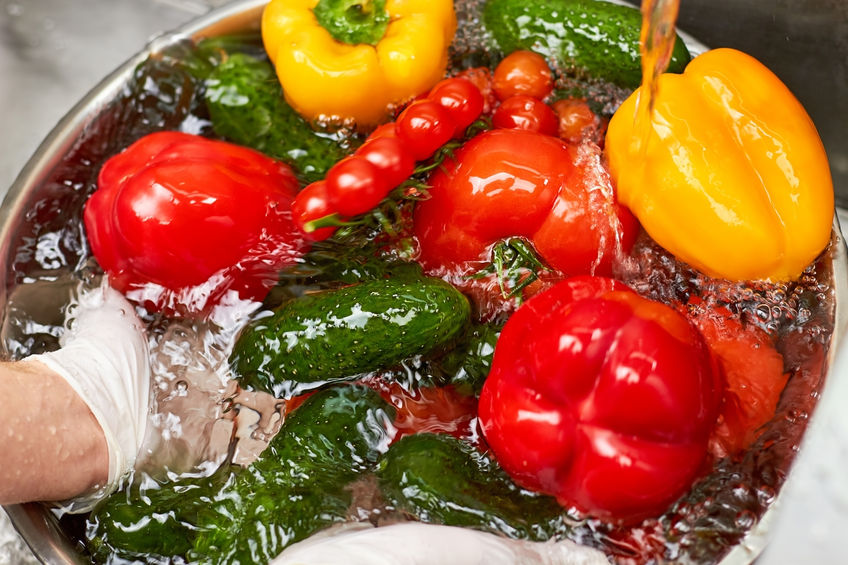
Spring also brings an abundance of fresh produce. Remember to wash all produce that will be cooked or served raw, even if you bring in organic ingredients. Washing produce removes residue left from pesticides, fertilizers or dirt that remains on fruits and vegetables.

Finally, review hot and cold cooking and holding temperatures with your staff. Raw seafood items are particularly popular in the spring and summer when fresh ingredients can be purchased. If you serve sashimi, sushi or seafood tartare, spend some extra time reviewing cold holding and cross-contamination prevention.

Do you choose to rotate your menus with the seasons or do you have other ideas for keeping the food you serve fresh and relevant?

A lesson in Improper Food Safety Training from South Africa

A Lesson in Improper Food Safety Training from South Africa

While we usually focus on food safety training in Minnesota and food-handling issues in the United States, the listeria outbreak in South Africa is too big of a news story to ignore. With a death toll around 200, this outbreak breaks records as the largest listeria case in the world.

A Food Safety Training Case Study and a South African Outbreak

A lesson in Improper Food Safety Training from South Africa

Image Credit: mayushka

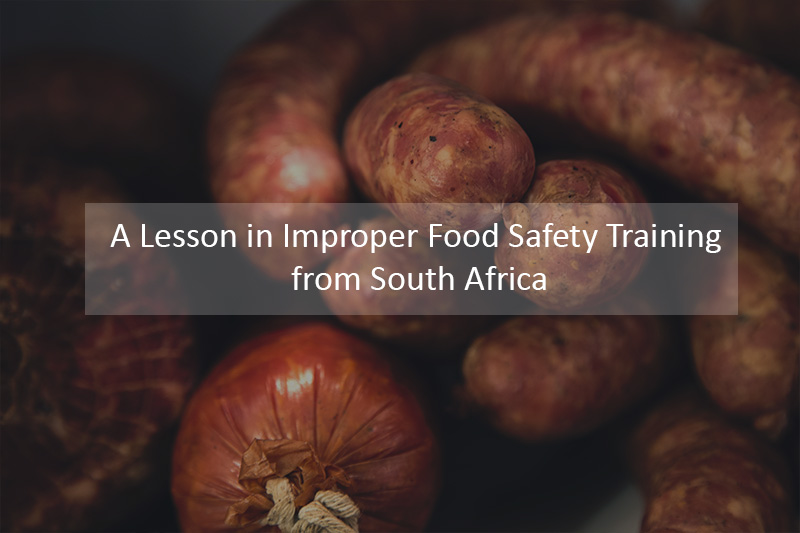
Investigators have traced the source of this outbreak to a South African processed meat product called polony. The listeria bacterium found on the exterior casing of this meat product poses an incredibly high probability that other products have also become contaminated. The risk of cross-contamination from this outbreak prompted health officials to recommend that the residents of South Africa avoid consuming any ready-to-eat processed meat products. Between January and March, nearly 700 cases of infection from this strain have been confirmed, and this outbreak has a staggering 27-percent fatality rate.

It’s vital that we don’t simply write this outbreak off as happening in another country because it doesn’t affect food producers in Minnesota and the United States. This product may never be sold in our stores, but it should serve as a dire warning as to the consequences of a lack of food safety training, especially with something as preventable as listeria poisoning. Now could be a good time to review hand washing and equipment sanitation procedures with your staff since many cases of listeria begin with improper sanitation procedures.

Have you been following this major food safety story and has it impacted how you look at basic food handling training?

Food Safety Certified Procedures for Produce

Food Safety Certified Procedures for Produce

In ServSafe training, food safety certified professionals learn that washing raw fruits and vegetables before serving helps prevent the spread of food borne-illness. We all know that plants grow in the dirt, and dirt contains bacteria that can be harmful if consumed. Some farms utilize fertilizers and pesticides to yield a larger crop, and residues of these compounds may still exist on the surface of fruits and vegetables. We’d like to suggest that restaurants develop standards that require all produce to be washed before any use.

Food Safety Certified Procedures for Produce
Copyright: denisfilm / 123RF Stock Photo

Washing of Produce and Food Safety Certified Standards

Even if you plan to cook your fruits or vegetables, there may be a chance that pathogens on their surface can spread. During preparation, they will inevitably come into contact with knives, prep surfaces and hands that will then go on to touch other items in your kitchen.

Produce ingredients that often go unwashed include fruits and vegetables with peels or rinds. Some examples of these include:

  • Carrots, beets and other root vegetables
  • Avocados
  • Melons
  • Oranges, pineapples and other tree fruits
  • Thick-skinned squash such as pumpkins and butternut squash

During classes prepared for food safety certified managers, we’ve often been asked why we feel it’s necessary to wash these items before preparation; the customer will never eat the peels. Your knives and peelers can come into contact with contaminates on the surface of these ingredients and then become infected. The grooved surface of a cantaloupe, for example, contains many nooks and crevices for bacteria and remnants of fertilizer to reside. As you slice through the surface, your knife can pick up these microscopic particles and spread them to the meat of the fruit as your knife passes through. The same theory can be applied to a peeler that picks up contaminates while root vegetables are being prepared.

Washing all produce is just one small way to prevent food-borne illness, and should never be overlooked. Can you think of any small, but necessary, procedures you feel gets forgotten far too often.