
Helpful New FDA Tool for CFPMs to Track Outbreaks

Helpful New FDA Tool for CFPMs to Track Outbreaks

Estimated reading time: 2 minutes

Sometimes, major foodborne illness outbreaks, like those involving romaine lettuce over the past few years, grab national attention, but more often than not these outbreaks fly under the radar of the average certified food protection manager. Unwittingly serving ingredients that have been tainted is a real danger in the food industry, so is there any way that CFPMs can keep track of widespread foodborne illness risk?

Helpful New FDA Tool for CFPMs to Track Outbreaks
Image credit: Dmytro Sidelnikov via 123rf

FDA Tool for CFPMs to Track Outbreaks

Thanks to a recently developed FDA tool, certified food protection managers (CFPMs) can periodically check the latest news regarding widespread outbreaks. This tool makes it easy to find the information you need to know about tainted product that may have been widely distributed. From this chart, you can find:

  • Item contaminated
  • Investigation status
  • Links to advisories
  • Whether a recall has been initiated

Just one quick look will tell certified food protection managers if ingredients in their inventory have been subject of an outbreak investigation, and with a few clicks you can even see where the actual product came from and if it’s been recalled.

Besides FDA outbreak and investigation information, you can easily access CDC and FSIS outbreak incidence reports. Before the FDA developed this resource, you’d have to search all three agencies’ sites for all the intel concerning large outbreaks in the United States. Multi-agency information is now conveniently available at certified food protection managers’ fingertips.

Is having easy access to foodborne illness outbreak information something you find helpful in keeping the food you serve safe?
How To Focus On Food Safety Management Training During COVID-19 Restriction

How To Focus On Food Safety Management Training During COVID-19 Restriction

Estimated reading time: 3 minutes

COVID-19 has dominated the news since the beginning of 2020, and many food businesses have struggled to find a way to keep their businesses open and continue serving their guests. While much of the food industry has focused on the balance between keeping their guests safe from the coronavirus and making a profit, it’s important not to let food safety management training take a back seat. Relaxing food safety management during these times can result in overlooking risks that could result in foodborne illness.

How To Focus On Food Safety Management Training During COVID-19 Restriction
Image credit: izikmd via 123rf

Keeping Food Safety Management Training a Priority

We understand that it takes a lot of effort to abide by StaySafeMN guidance for restaurants, and it should be a priority, but that can’t be an excuse to relax on other food safety management procedures.

Food safety managers are responsible for making sure staff understand and follow proper food handling procedures and times of reduced service are a great opportunity to monitor and provide a little extra on-the-job training. Since you’re taking the time to make sure employees understand mask rules, social distancing in dining areas and enforcing COVID-19 reservation-only regulations, you should also incorporate food safety training as well.

It’s quite easy to monitor and guide your staff on a few key issues as you go about monitoring coronavirus prevention protocols. Here’s a brief list of items that can be observed at the same time as StaySafeMN procedures:

  • Proper sanitation
  • Handwashing between tasks
  • Employee health
  • Hair coverings

Some of these things may look like items your staff should already understand, but during the course of your day, it’s easy to make sure. Food safety managers can enforce and provide training for sanitation procedures since it’s necessary for both coronavirus prevention and food safety. Handwashing can also be reviewed as it can be brought up easily given current circumstances.

When it comes to employee health, sick is sick regardless of whether it’s COVID or not. Daily employee health screenings implant the idea that fever, cough, runny nose, nausea and other symptoms disqualify a food worker from taking their shift. Train your employees to take their temperature before work if not done on-site, be aware of symptoms and call out sick if necessary.

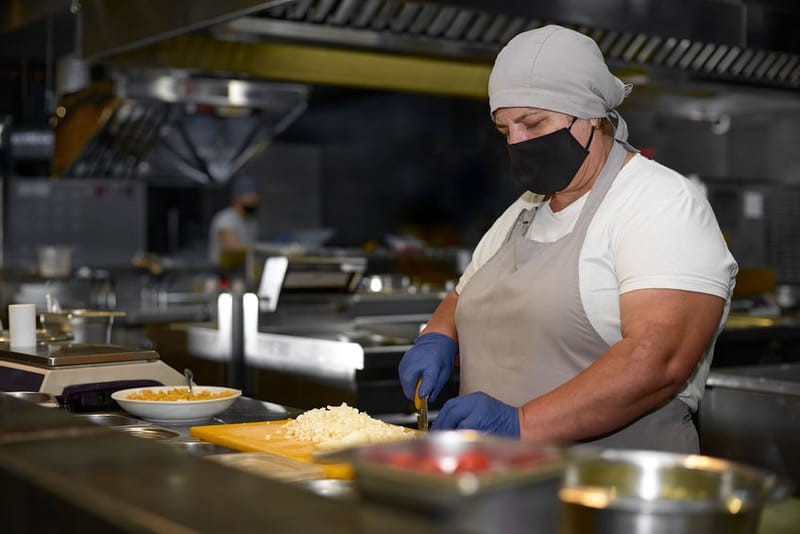
Now that masks are required, kitchen workers must wear two important pieces of protection: a head covering and a mask. When training employees on how to properly wear a mask, you can also teach them the importance of wearing a proper head covering when working with food.

Where do ServSafe Food Managers Fit in the Coronavirus Vaccination Timetable?

Where do ServSafe Food Managers Fit in the Vaccination Timetable?

Estimated reading time: 2 minutes

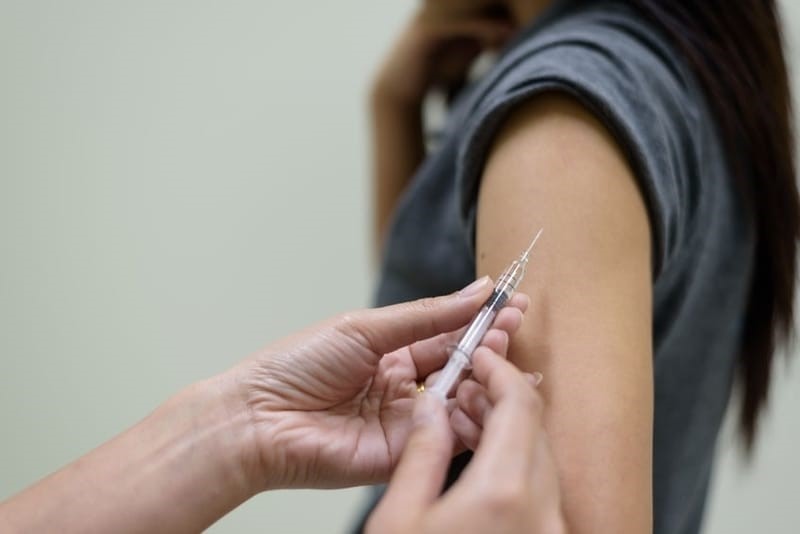
With the current rollout of COVID-19 vaccines, there is hope that a state a herd immunity will be reached and that life as we know it will return to some sort of normal state. From a public health standpoint, there appears to be a lot riding on vaccinations, and if these efforts are successful, we’ll hopefully see our restaurants, eateries and other food preparation businesses flourish once again. Since we’re looking at a phased vaccination process, we’ve been asked when ServSafe food managers and other food industry professionals will be potentially eligible to begin the vaccination process?

Where do ServSafe Food Managers Fit in the Coronavirus Timetable
Image credit: Komsan Loonprom via 123rf

COVID-19 Vaccine Timetables and ServSafe Food Managers

Before we begin discussing the vaccine, we must stress that at Safe Food Training our focus is on food safety management and our expertise lies in that area, not in the medical field. However, it’s becoming vital to understand COVID-19 protocols and solutions that will keep our guests safe from potential infection and allow our local restaurants to reopen at full capacity. These vaccines could play a role in speeding up the reopening process, so when should ServSafe food managers get the option of taking the vaccine?

From our research, restaurant workers, food service professionals and ServSafe food managers in the private sector will probably have to wait until vaccination efforts have covered medical professionals, the potentially susceptible and other fields deemed “essential” by public health officials. There is, however, a portion of foodservice professionals that may be able to choose to be vaccinated earlier than others. You may want to discuss early vaccine options with your employer if you handle food in:

  • Hospitals
  • Medical Facilities
  • Long-Term Care Facilities
  • Nursing Homes
  • School Cafeterias

While front-line medical staff and the elderly should have first priority due to their increased potential for exposure and risk, food safety workers in these fields may be eligible in an earlier phase of the vaccine rollout than private-sector ServSafe food managers. Rules often change county by county and even from facility to facility, so if you’re in one of these positions, you may wish to discuss the vaccine timeline with your employer.

While many of us will have to wait to see when we’ll have the option to receive the vaccine, food industry professionals in high-risk facilities appear to be edging closer. Where do you think food industry professionals rank in the vaccine line?

How To Guide For CFPMs Returning To In-Person Training

How To Guide For CFPMs Returning To In-Person Training Starting Jan 20

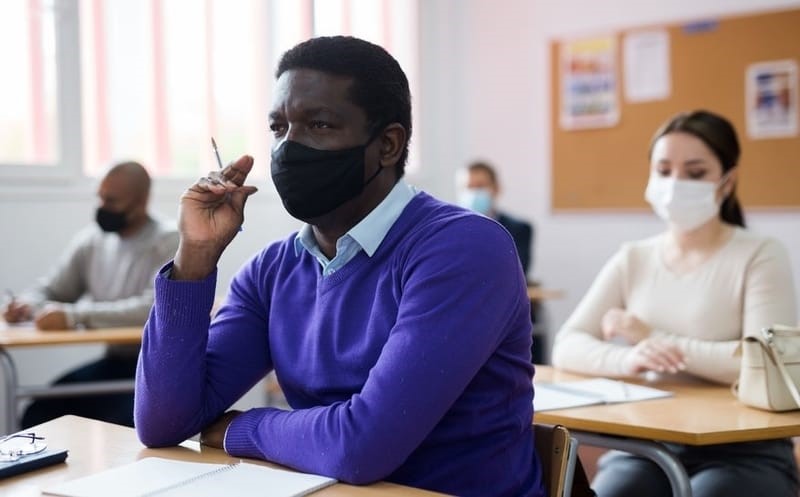
Over the course of the COVID-19 pandemic, restrictions to indoor gatherings have created great challenges for effective Minnesota certified food protection manager’s (CFPMs) training. Food protection management certification is essential to the advancement of food safety and the protection of those who visit restaurants, cafeterias and other food preparation businesses.

Over the past few months, future CFPMs and those seeking training before renewal have had to rely on online food safety management training with in-person sessions on hiatus. While online food safety training qualifies for certification, nothing quite beats a classroom setting with a food safety expert available to engage with students, answer questions and cover topics that are specifically relevant to students attending the class. There is hope on the horizon for in-person food safety training, so let’s take a look at how future students can prepare for the return of in-person CFPM classes.

How To Guide For CFPMs Returning To In-Person Training
Image credit: Iakov Filimonov via 123rf

Preparation Guide for Returning to In-Person CFPMs Training Classes

Safe Food Training is excited to announce, we have moved our return to in-person certified food protection manager training in the classroom to Jan 20. The in-person classes will follow the CDC guidelines for group meetings, we’ll require masks and seating will be spaced at least 6 feet apart. We’re enthusiastically preparing for a return to personally engaging with students and providing the training necessary to prevent foodborne illness.

If it’s been a while since you’ve attended a CFPM training class, there are a few things you can do to get the most of your experience:

  • Write down questions you may have
  • Review Minnesota Food Code Fact Sheets
  • Think of unique food safety scenarios specific to your food business
  • Peruse the training materials ahead of time

If you take the time to review these steps, you’ll come to class ready to engage with some knowledge of the subject matter. Being prepared to interact with trainers and fellow students will help ingrain food safety principles in your mind and leave you confident when it comes time to take your certified food manager exam. You’ll also leave with a better understanding of how to keep your food safe and promote a healthy environment for your guests.

Are you excited to return to in-person classroom training for certified food protection managers?