food safety inspection process

Improving the International Food Safety Inspection Process

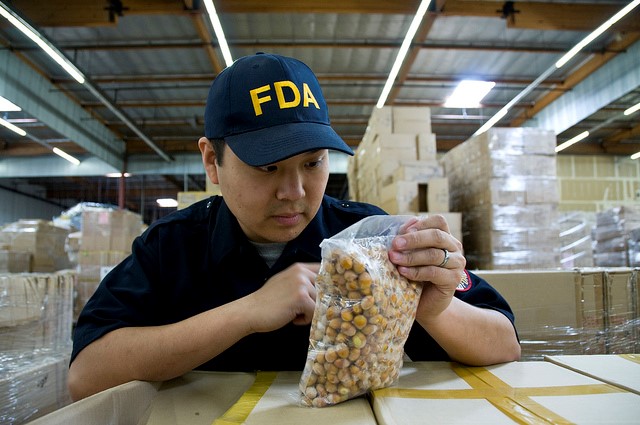
In a complex global supply chain, the task of keeping unsafe product from reaching customers and food producers in the United States is a daunting and seemingly impossible task. The FDA has recently released their new food safety inspection process strategy for keeping unsafe product from reaching our shores.

food safety inspection process
Image credit: FDA photo by Michael J. Ermarth

Global Strategy To Improve Food Safety Inspection Process For Imported Product

With a new strategy in mind, the FDA has outlined four goals for the future of foreign food inspection:

  • Coordinating with foreign food safety inspectors
  • Detecting and refusing tainted goods before entry into the U.S.
  • Develop targeted sampling and testing of high-risk product
  • Develop and improve a global inventory of farms and food producers

Coordinating with other countries comparable food safety inspection process will provide an extra layer of protection before food leaves the country or origin. These local inspectors will be able to do a more thorough inspection, and their knowledge of food producers goes a long way to preventing tainted product from leaving their country in the first place. The FDA currently works with food safety inspectors in Canada, New Zealand and Australia. Negotiations are underway with officials in the European Union.

The FDA’s plan to upgrade the screening process upon entry will do a better job of identifying product that could be contaminated. This process will involve new foreign supplier verification, accredited third party audits and several other updated and more efficient systems. Along with this process will be the collection of data to target suppliers of high-risk products such as soft cheeses and seafood.

The final step in the updated food safety inspection process will involve an inventory or database of overseas producers that ship their product to the United States. This will identify producers who have previously shipped tainted product, isolate high-risk farming regions and provide food safety inspectors with more information than they’ve had in the past.

We like to see our national food safety inspection process evaluated and updated to provide safer product. Do you feel this new FDA strategy will keep product imported from foreign countries safer?
Findings of FDA Report on Romaine Lettuce Recalls

Recent major recalls of romaine lettuce have increased the concern certified food protection managers have for putting romaine on their menus and calls into question the future of this crispy green lettuce as a staple in the industry. In mid-February, the FDA report on romaine lettuce concluded its research into the latest recall of E.coli contaminated lettuce and was able to not only trace the source of the contaminated romaine, but also the likely method of contamination.

FDA Report On Romaine Lettuce
Image credit : Wikimedia Commons

FDA Report on Romaine Lettuce Linked to E.coli Contamination

The FDA has traced the origin of contaminated lettuce to a farm in Santa Barbara County, CA. More specifically, the FDA report on romaine lettuce has discovered an unsanitized water reservoir with traces of the same strain of E.coli that was used by several ranches in the community. The water from this reservoir is the mostly likely cause of contamination causing food-borne illness across the nation. E.coli can into contact with lettuce during rinsing after harvest or during harvest by coming into contacted with harvesting equipment that had been washed with contaminated water.

Now that we have this information from the FDA report on romaine lettuce, it brings up two questions:

  1. Why such a massive recall if the outbreak can be traced back to one specific growing area?
  2. How can certified food protection managers use this information to keep their product safe?

The answer to the first one is simple; there is no efficient method to trace the source of contaminated produce. There are numerous farms and ranches that produce romaine lettuce, and with so many major producers and buyers, the process of tracing back a single head, case or major supply can often take time. Restaurant suppliers purchase their lettuce from numerous sources, so the romaine you receive on a Tuesday can come from one part of California while Friday’s shipment originates in another or even New Mexico. The CDC and FDA simply have to err on the side of caution when it comes to issuing warnings and recalls for any major product.

Finally, and unfortunately, when it comes to E.coli and lettuce, the only recourse food safety managers have is to throw out recalled product and alter their menus in the event of an outbreak. Rinsing lettuce will not one-hundred percent remove E.coli from any produce product.

With such a large amount of lettuce suppliers, do you think any tracking system of contaminated product is possible, or will major nationwide recalls become the norm?

ServSafe and Wooden Serving Utensils

ServSafe Training and Wooden Plank Serving Utensils

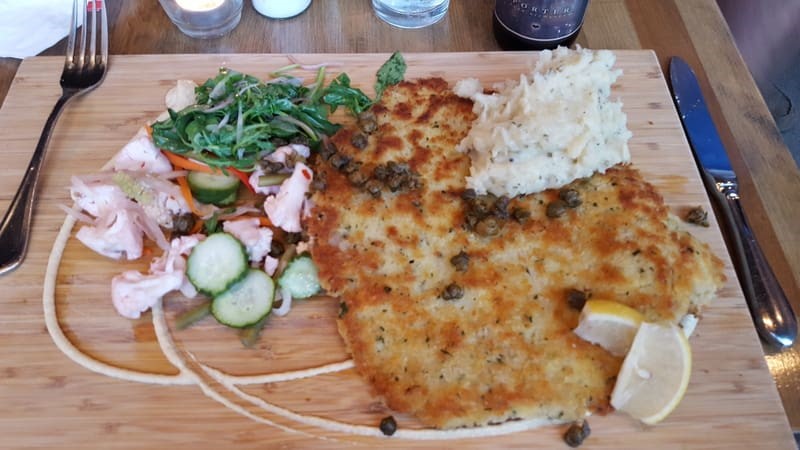
While dining out recently, we came across a restaurant which served us a delicious meal with a gorgeous presentation on a wooden plank rather than typical plateware. This got us thinking, about ServSafe training and wooden plank serving utensils. Do we need special steps to prevent food-borne illnesses from food served on wood planks and other alternative serving items?

ServSafe and Wooden Serving Utensils

ServSafe Training and Wooden Plank -Sanitation

ServSafe training tells us that all flatware must be sanitized between uses. Normally, this is done in a mechanical dishwashing machine or hand washed in a triple sink system. Can wooden serving boards be sanitized in the same way?

Wood is tricky to sanitize. Over time and repeated uses, small cuts from knives and other utensils form. Bacteria can hide and multiply in these cuts and dishwashing chemicals can seep in and potentially contaminate food. Extra care must be taken to ensure proper sanitation. We recommend using a triple sink and air drying method to clean wooden serving boards, and to do so immediately after use.

We’ve seen these large wooden boards featured on buffet lines as well. Many of these are crafted in a manner where a heat lamp is permanently attached. These are especially tricky to sanitize. Take care to wash and sanitize these by hand as soon as possible after every use.

A key to keeping food served on these boards is to make sure that you are using food-service-grade serving ware. These boards are harder and more resistant to wear and tear, and should be available from your local supplier. When investing in wooden serving materials, remember that these will not last forever and over time will need to be replaced.

What if you’re interested in wooden serving boards, but would rather not invest in costly materials that will need to be replaced on a regular basis? We’ve done some digging, and laminated wood boards and faux-wood plates look like a great alternative. Food-grade laminated wooden planks and fake wood can be easier to wash, many times in your standard dishwashing machine, and have a much longer life than expensive real wooden planks. While it is possible to spot the difference between real and fake wood, we see this as a safer and more cost effective investment into alternative serving ware.

Do you use wooden serving planks or any other type of serving ware other than standard plates in your restaurant?

Non-Continuous Cooking Steps

Online Food Safety Training Update on Non-Continuous Cooking

Back in November, we covered an interesting addition to the Minnesota Food Code revision; non-continuous cooking- the ability to halt the cooking process and resume at a later time. At the time, we only had some basic information and a rough draft of the new food code, but now that the code is in effect, the Department of Health has released fact sheets and more detailed information about this procedure.

Non-Continuous Cooking Steps
Image credit: 123rf/Teerawut Masawat

Non-Continuous Cooking Procedures

The procedure for non-continuous cooking can be broken down into five steps:

  1. Cook product for 60 minutes or less
  2. Cool food properly within two hours
  3. Store product below 41 degrees
  4. Cook food completely when reheating
  5. Serve immediately, hot-hold or cool properly for later use

This process offers a solution for certified food managers who wish to partially cook raw animal product or other sensitive items and reserve under refrigeration or in the freezer until the time comes to cook and serve. Along with these five steps, the health department requires documentation for this process which must be reviewed and approved by the proper regulatory official, namely your health inspector.

Include the following vital information in your documentation and proposal to be reviewed:

  • The monitoring and implementation process of the five required steps
  • Corrective actions if the five steps are not met properly
  • How partially cooked product will be labeled or identified
  • Steps taken to prevent cross contamination with ready-to-eat foods

We have a few quick notes concerning these new rules. You may wish to review your online food safety training concerning cooling and temperature control and proper cooking temperatures. Remember, all product must reach the correct temperature before serving. The non-continuous cooking method should never be used for product that may be served undercooked at customer request. Undercooking previously partially cooked meats presents an increased food-borne illness risk.

We’ve found local health inspectors are more willing to work with food producers to ensure that these new rules are followed correctly. Feel free to contact your health department if you’re ready to have your proposal reviewed or if you have any questions.