
Advantages of NRFSP Food Manager Certification

The Truth About NRFSP Food Manager Certification

Minnesota food manager certification is required by many restaurants and institutional kitchens. However, there is often some confusion as to the differences between NRFSP certification, ServSafe training, and the standard food workers permit classes. At Safe Food Training, we focus on offering the National Registry of Food Safety Professionals -NRFSP food manager certification.

Advantages of NRFSP Food Manager Certification

While we are able to offer other certification classes upon request, we feel that there are certain advantages to the current NRFSP program of study:

  • National recognition
  • More in-depth education concerning contaminates
  • Most courses include allergen awareness.
The Truth About NRFSP Food Manager Certification?

The certification classes that we offer are endorsed by NRFSP and recognized by the MN Department of Health. This dual recognition means the training that meets Minnesota standards will still have value if you move to a different jurisdiction. There may be some states that require you to retake the certification test locally. Even so, many employers will see your training as an attractive asset on your resume.

The next item on our list can be a valuable addition to your knowledge of food-borne illnesses. The training for basic food workers teaches that bacteria causes food-borne illness. During food manager certification training, you’ll learn about different types of contaminants and their origins. This information will help you more fully understand why bacteria spreads in certain food products. It will also give you a better insight into the consequences of improperly prepared food.

With a growing concern for food allergies, preventing cross-contamination is also crucial for the safety of sensitive guests. The current training sessions will cover food allergens and biological toxins that exist in certain foods such as shellfish. This heightened awareness of how to handle common allergy risks will help you keep guests from having a reaction to these food groups.

Two Certification Options Available Through Safe Food Training

In-person NRFSP Food Manager Certification Class

There are two ways that you can gain your certification from Safe Food Training. It’s possible to take an instructor lead class. You’ll have access to an educated and engaging teacher who can answer any questions during the training. Alternatively, you can take online food safety training if you prefer independent study.

With multiple endorsements available, we’d like to know your thoughts as to which certification classes have benefited you the most. Are there any training sessions that you have found to be more informative that others? We’d love to hear your stories.
Simple But Powerful Dishwashing Essentials Training for Certified Food Protection Managers

Simple But Powerful Dishwashing Essentials Training For CFPMs

Your dishwashers are an important member of your team. Providing them with adequate food safe training can help prevent unintentional food safety hazards from arising. This week, we’ll take a look at three items that we feel all certified food protection managers (CFPMs) should include in any dishwashing training program.

Simple But Powerful Dishwashing Essentials Training for Certified Food Protection Managers
Image credit: Dollarphotoclub_12947910

CFPM Training Essentials for Dishwashing

While your dishwashers may have already passed their food safety course online. That may not fully prepare them to be sure that they are using your specific machine properly. We have three things that you should focus on whenever training a new dishwasher.

  • Keep clean dishes separate from dirty ones.
  • Dishes must air dry
  • Chemicals in the machine must be checked often

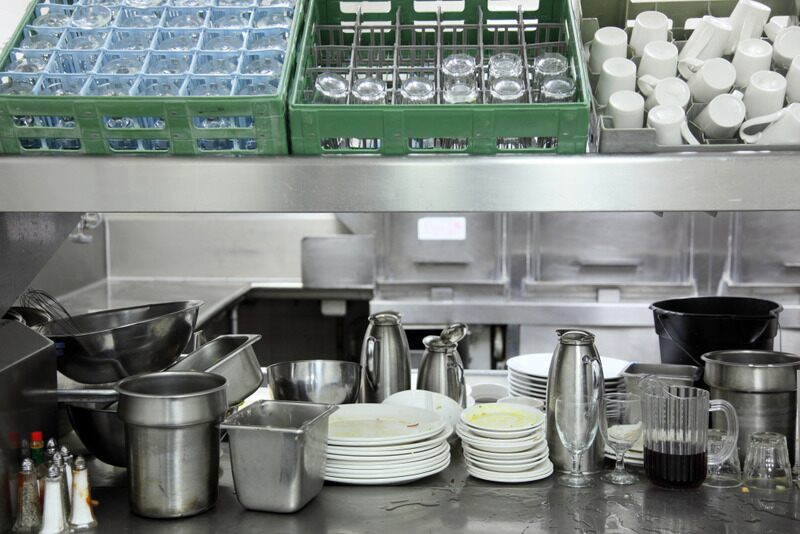
The first item may seem like common sense. However, the line between staging areas for clean dishes and where dirty are dropped off often blurs in a busy facility. As a certified food protection manager, you can train your staff to appropriately sort and stack dirty dishes when leaving them for your dishwasher. It can help eliminate this issue and make life easier on one of the hardest working members of your team. Also, having a completely separate table or cart for your clean dishes can prevent any confusion.

Towel drying your dishes after they have come out of the machine is a thing of the past. Dishes should air dry, as to prevent any possible transfer of contaminants from towels to clean utensils.

Our third item is very important. Make sure that your dishwashers know how to check the chemical levels of your machine and replace them when necessary. It is a good idea to have sanitizing test strips available. You can use them to make sure that your machine has the appropriate amount of sanitizer running through the system.If there is a problem with your machine using too much or too little solution, contact your maintenance provider to adjust it as soon as possible.

In a Pinch Use the Triple-Sink Dishwashing Method

If your machine becomes inoperable, you can still use the triple-sink dishwashing method. It is acceptable. For a quick review on what that entails, it may be beneficial to review the Minnesota Food Code’s official triple-sink dishwashing protocol.

The dishwasher in their favorite restaurant has been the starting point for many certified food protection managers. Do you remember those intense moments of a Friday night fondly, or have you moved on without looking back?

Food Safety Training training for burn Prevention

Emerging Food Safety Training For Surprising Burn Prevention Results

Food Safety Training in MN focuses on how to keep the food you serve safe, but from time to time we feel it is important to discuss how to keep you safe on the job. Burn incidents occur frequently in this business. Our food safety training team would like to share a few burn prevention tips.

Food Safety Team Tips on Workplace Burn Prevention

Here are our top three ways to reduce your risk of a severe burn:

  • Use mitts designed for hot handling
  • Ensure that production line personnel keep hot pans safely off the line
  • Exercise patience

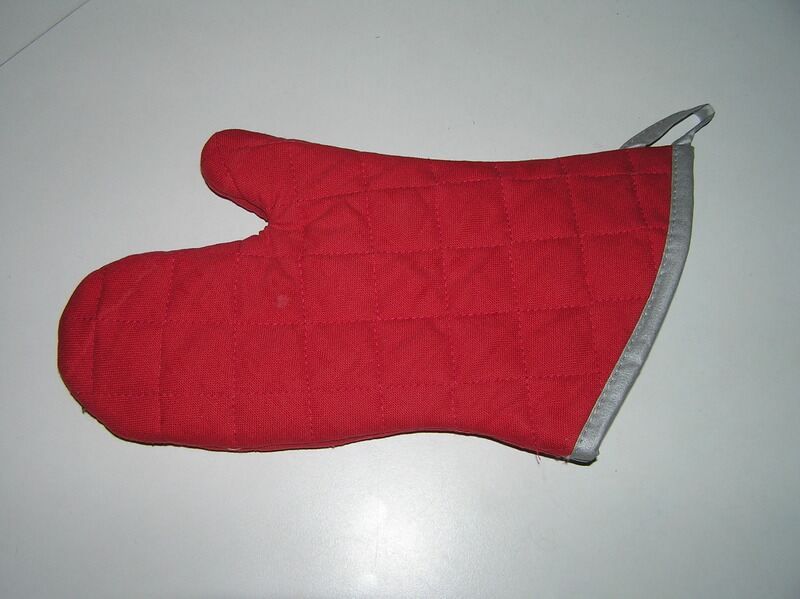
Many chefs and food service professionals may disagree with our food safety team’s first suggestion, but we have seen quite a few burn incidents involving the use of a folded cloth towel and a hot pan. The cleaning towel’s design does not allow it to hold heat for an extended period of time, even when folded; it is not meant for that purpose. Cloth towels can also become damp or torn causing the heat to penetrate much faster.

Food Safety Training training for burn Prevention
Image credit: Wikimedia Commons

Hot pans coming out of the oven and placed on the production line are a common sight in busy restaurants. You must emphasize to your staff that food on these pans should be plated promptly. Accordingly, the hot pan should be removed without delay. Having hot pans lying near where a food worker can pick it up can greatly increase burn risk.

Our last food safety suggestion is one of the easiest burn prevention tips to teach but the hardest to practice. The food service industry is intense and induces a natural pressure for quick performance. No matter how much pressure you are under, do not open a steamer before it has finished or empty a fryer basket of food before excess oil has drained.

Recommends For Burn First Aid

If you do receive a burn on the job, it is important that you take care of it immediately to prevent further damage. The first thing you need to do is to immerse the burn under cool, running water for 10-20 minutes. Skin care products like aloe vera cream or an antibiotic ointment and pain medication can usually treat outer skin burns. Finally, wrap the burn in gauze and keep it clean. If the burn is more serious a urgent care or emergency room visit is advised. In any serious case, it may be advisable to take some time to allow it to heal before going back to work.

Preventing burns in the food preparation environment is certainly not the only issue that our food safety team can address. There are many hazards that are specific to the food service industry. Our food safety team would like to know which ones are of the most concern to you, and what hazards you would like to see covered in a future blog.