Becoming Certified Food Protection Manager

Steps to Becoming a Certified Food Protection Manager

According to the Minnesota Food Code, all facilities that prepare food for the public must employ a certified food protection manager (CFPM). The role of any CFPM in Minnesota is to ensure that all food is being stored, prepared and served in a safe manner. They are required to train staff, inspect their facility for safety hazards and correct procedures as necessary to keep food safe. How does one become a certified food protection manager? This week, we’ll clearly outline all the steps for becoming a Certified Food Protection Manager in Minnesota.

Becoming Minnesota Certified Food Protection Manager Registration

The first step to becoming a CFPM in Minnesota is taking a qualifying food safety course and passing the exam. There are a few ways this can be done:

  • Instructor-led training
  • Online courses
  • Group training at your facility
  • Customized classes

There are benefits to each of these options, and there’s enough flexibility to choose which course works best for you and your business. Instructor-led training offers the opportunity to delve deeper into food safety topics and ask questions, while online food safety certification courses can be taken at your leisure. If the standard training at an offsite location isn’t convenient, and you’d prefer a real-life food safety expert over an online course, Safe Food Training can come to you and offer group training or customized training that fits your specific needs.

So you’ve passed your food safety training course exam. Congratulations! Does that mean you’re ready to go and officially a Minnesota CFPM? Not quite yet. Just passing the exam doesn’t officially make you a certified food protection manager in Minnesota. There’s one more step, and fortunately it’s an easy one. After passing your food safety certification exam, you must fill out an application in order to register with the state.

To find information concerning current fees and the appropriate mailing address to submit an application, the Minnesota Department of Health CFPM website will have the most up-to-date information.

Do you need assistance with training options? At Safe Food Training, we can provide the perfect food safety training course for your needs.
New Study Into E.coli Contaminated Romaine

Food Safety Training and Further Study Into E.coli Contaminated Romaine

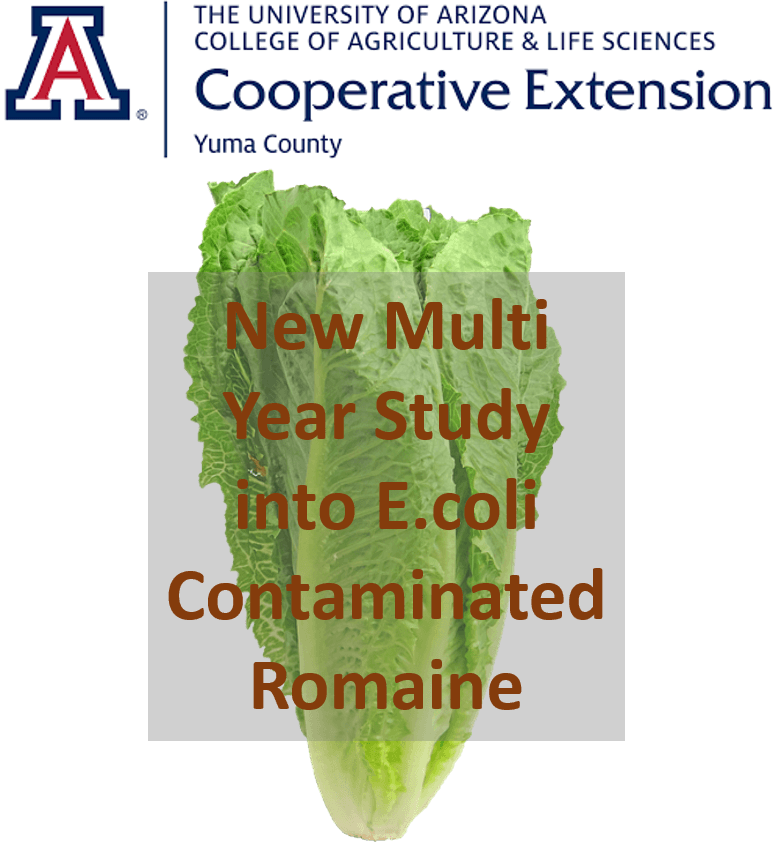
E.coli outbreaks linked to romaine from Arizona made headlines on multiple occasions over the past two years. The link between E.coli and romaine has been the most talked-about story in the food safety training community, and the causes of the outbreaks still continue to be investigated. Now, academia has gotten involved as researchers from the University of Arizona have partnered with the FDA on a multi-year study of E.coli contaminated romaine from one of the growing regions linked to past outbreaks.

New Study Into E.coli Contaminated Romaine

Goals of an Extended Study of E.coli Contaminated Romaine Growing Regions

Due to the massive scale of the previous outbreak, food safety officials and growers alike are eager to get to the bottom of why outbreaks happen and how to prevent them in the future. The extension scientists from the University of Arizona have a few goals in mind with this extended study.

  • Assess potential sources of contamination
  • Examine the prevalence of contaminates from one growing season to the next
  • To provide recommendations for advanced food safety training

There have been numerous theories as to how E.coli has made its way into the Yuma growing fields. Contaminated water, poorly cleaned harvesting equipment and even flies have been suggested as a cause of recent outbreaks. Hopefully, researchers can isolate a cause and help prevent the transfer of pathogens in these fields again.

One of the advantages of a multi-year examination is that researchers will be able to see what happens from one season to the next. This could help identify whether this is an ongoing issue with the region that requires drastic action or if previous outbreaks were due to isolated incidents. Once these issues are addressed, these researchers and the FDA hope to have extensive food safety training recommendations for romaine producers in Arizona and throughout the agricultural community around the country.

Do you think there’s been enough effort put into examining the link between romaine growing regions and E.coli outbreaks?

FDA Requesting ServSafe Managers Input For Food Safety Blue Print

FDA Requesting ServSafe Managers Input For Food Safety Changes

The FDA recently issued a public statement offering ServSafe food managers and other professionals in the food industry the chance to participate and comment on a meeting titled “A New Era of Smarter Food Safety.” We think this is an incredible opportunity to learn about the FDA’s blueprint for the future of food safety.

FDA Requesting ServSafe Managers Input For Food Safety Blue Print
Image Credit: US Food and Drug Administration

FDA Smarter Food Safety Forum and ServSafe Manager Input

The FDA’s public meeting is scheduled to take place in Maryland on October 21st. If you’re interested in attending but unable to travel to MD with only a week’s notice, the FDA has set up a method for the public to attend via online webcast. This webcast will be free to view, all you have to do is submit your registration via an online form.

According to the release, the FDA plans on discussing:

  • The role of digital technology in tracing the origin of contamination
  • Making preventative controls more effective and efficient
  • Food safety challenges of evolving business models
  • Leveraging proven organizational models to enhance compliance with food safety practices

While a lot of the issues that are being discussed appear to be with what happens with food before it reaches the restaurant and food production sector, it’s quite interesting to see where the FDA plans on taking food safety in the future. All four of these major topics could change inspection procedures and stop outbreaks before they start by quickly finding the source of contamination and preventing it from even happening in the first place.

Once the seminar has been completed, a full transcript of the event will be made available on an updated events page. After the transcripts have been released, ServSafe food managers and the public will have a month to comment electronically or by mail. For more information on agendas for these events and how to provide comments and feedback once the meeting has concluded, check out the FDA’s official request for public comment.

We’ll provide an update on topics covered and explore the commenting process once more information is available.

For quick reference, here are links to important information:

Do you like the idea of the FDA being more open and allowing the ServSafe managers and the public to view and comment on these food safety related sessions?

Safely Serving shellfish

Certified Food Manager’s Guide to Safely Serving Shellfish

The waters in the Atlantic and Pacific are getting colder, and that makes it the prime time to eat and serve shellfish. Before the shellfish season begins, let’s take a moment to review food procedures for safely serving shellfish.

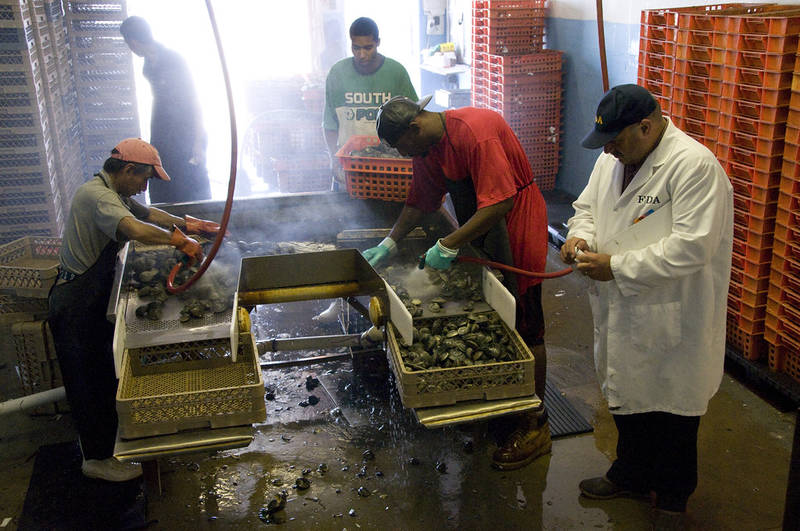
FDA testing shellfish is the first step in safely serving shellfish
Image credit: US Food and Drug Administration

Serving Shellfish Safety

There are a few types of potentially hazardous foods that certified food managers need to take extra care with when processing, molluscan shellfish is one of them. If handled improperly, they can cause catastrophic foodborne illness and pose a life-threatening situation to any guest who may be allergic. Food safety procedures for safely serving shellfish should begin the second they are received at your facility.

All shellfish must come from an approved source. Your local seafood provider should have more information on where your shellfish come from, and chances are most shellfish shipped to Minnesota come from approved waters. You shouldn’t simply accept this, however. All shipments of shellfish must include a tag or label that signifies where it came from and when they were harvested. Each batch must also be stored on its own. Shellfish from one container cannot co-mingle with shellfish from another batch until it’s time to prepare and serve. This helps to keep any bacteria from spreading from one batch to another and also helps identify the source of any batch that may have caused illness. Once these containers are empty, their labels must be stored for 90 days.

To prevent the growth of bacteria and safely serve shellfish, certified food managers should be very careful to keep all raw shellfish stored at 41 degrees or below. Shellfish are sensitive to bacteria growth, so extended times over 41 degrees greatly increase foodborne illness risk.

Shellfish allergies can be severe. We recommend that you designate a specific station in your facility for shellfish preparation. This will greatly reduce the risk that cross-contamination occurs. It’s also important to store shellfish as far away from other product as possible. Another key to safely serving shellfish is never store raw shellfish over ready-to-eat foods or other items in your refrigerated storage.

Finally, it’s important to warn your guests who may be allergic that shellfish are processed in your kitchen. Some allergy sufferers can’t take any chances. A simple disclaimer on your menu should suffice.

Do you serve or prepare shellfish? If so, what steps do you take to serve them safely?