reservation Tips for certified food protection managers

Reservation Tips for Certified Food Protection Managers During COVID-19

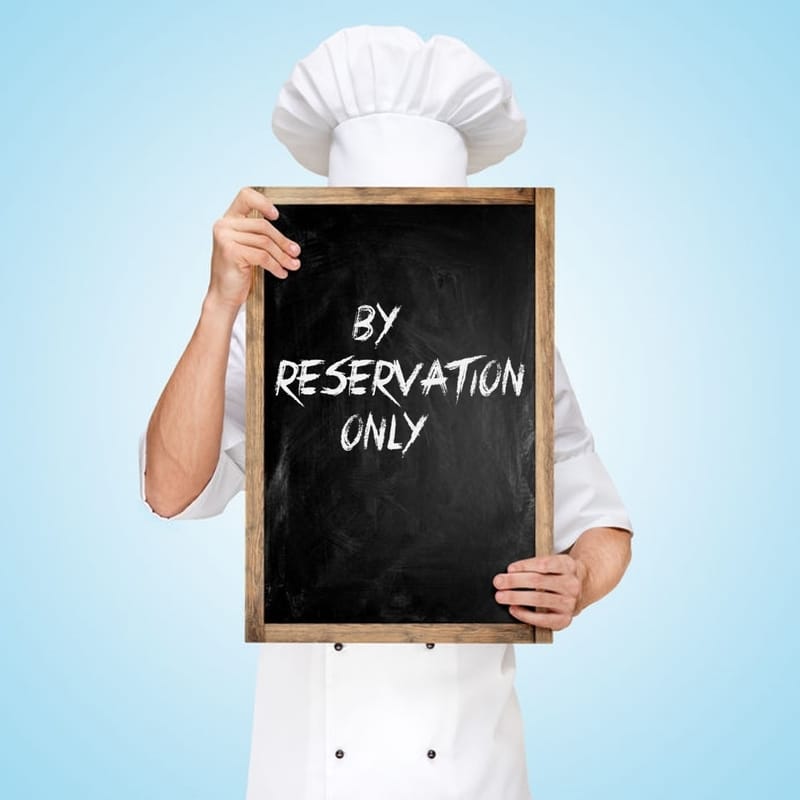
As part of the reopening plan for Minnesota restaurants, Governor Tim Walz’s guidelines require restaurants to take reservations for all guests who wish to sit down and dine at your eatery. This can cause confusion and some challenges for certified food protection managers at establishments that don’t normally rely on reservations to know when guests are coming. We’d like to give you a few tips and outline a few procedures you can put into place to ensure you’re following the guidelines and providing a smooth dining experience for guests and staff.

Reservation Tips for Certified Food Protection Managers
Image credit: 123RF

Certified Food Protection Managers and Reservation Guidelines

We know that table seating will be limited during the phased reopening of Minnesota’s restaurants. During these phases of limited seating, reservations will be required, and that could actually help restaurants follow other guidelines as well as control the flow of business in their restaurant. Let’s take a look at some things you may wish to consider when planning a strategy for taking reservations:

  • Personally touch base with guests who leave messages
  • Take orders when reservations are placed
  • Provide a time limit for table occupation
  • Make sure your contact details are available to the public

It’s important to confirm reservations with guests who request a reservation either via phone message or e-mail. With limited seating available, this can prevent a table from being double booked. The reservation guideline has been put into place so certified food protection managers can avoid the unnecessary gathering of groups of unrelated guests, and overbooking your establishment could create a scenario where social distancing in waiting areas cannot be enforced.

Taking orders, or a partial order, when reservations are made can help speed up service. Since you have a small amount of serving options available, you may have a limited time in which to serve guests before the next reservation arrives. If you know what your guests will be ordering in advance, you can begin preparing meals once they are seated. You may also wish to have an end time for reservations. You know your restaurant best, so create a time limit that doesn’t rush your guests but provides adequate time to sanitize and prepare the table for the next reservation.

Finally, provide a way for guests to find you. Make sure that your Google Business listing is up to date and all information on dining apps and popular websites is accurate.
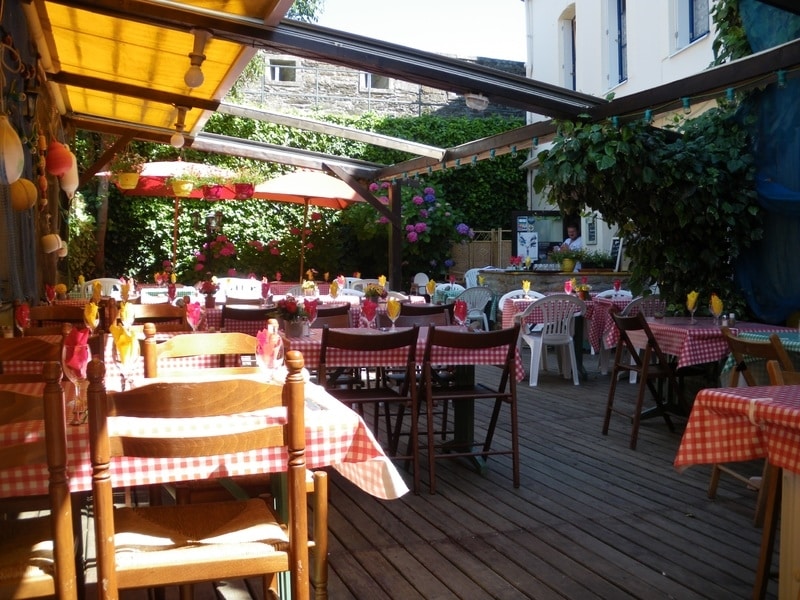
Food Managers Space for Outdoor Seating

How Food Managers Can Find Space for Outdoor Seating During COVID-19

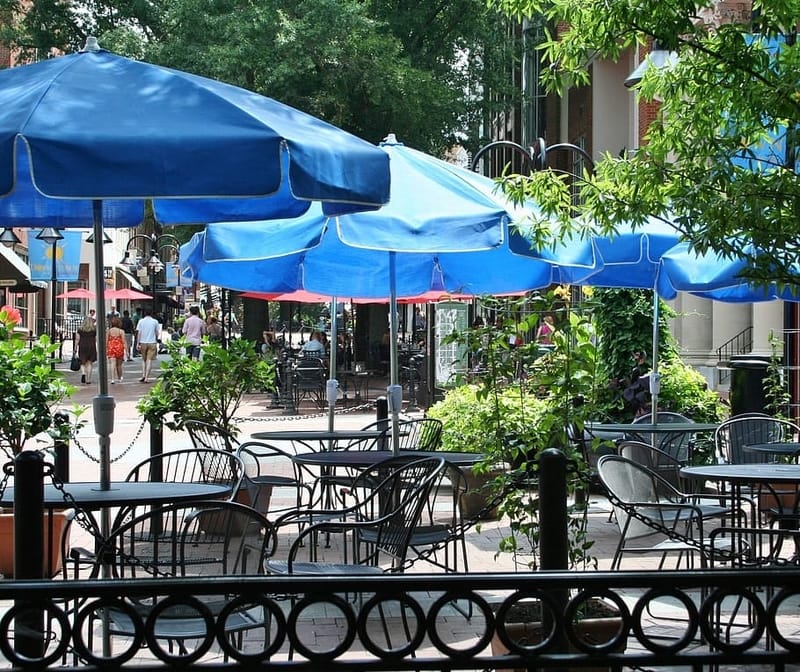
June 1st signified the date in which restaurants, cafes and bars could begin seating customers, but with one catch. All seating must take place outdoors, and all tables must be at least six feet apart. While some larger restaurants may already have patio seating that accommodates these rules, what can food managers do if they don’t already have a patio or designated outdoor eating space?

How Food Managers Can Find Space for Outdoor Seating During COVID-19
Image credit: Pxfuel

Outdoor Dining Seating Tips for Minnesota Food Managers

The unfortunate part of this regulation is that it puts food managers at smaller restaurants at a disadvantage, since they simply may not have the space to set up outdoor seating, but you may have a few options.

  • Utilize parking spaces
  • Request permission to use sidewalks or alley spaces

If your restaurant has a parking lot, even a small one, you may be able to convert part of it into an outdoor dining area. Since you’re currently required to limit seating to the outdoors, your parking lot won’t be used to its full capacity. Try setting up portable pavilions, roping off sections of tables or getting creative with your seating layout. Keep in mind, under current rules all tables must be at least six feet apart and no more than fifty people, staff and guests can be on the premises at one time.

What can food managers in Minnesota do if they don’t have a parking area to utilize for outdoor seating? Well, this is when it comes time to get a little creative. There are different sidewalk rules in different jurisdictions, but you may wish to consider working with the local authorities to create dining space on the sidewalk in front of your establishment. This may only be one or two tables, but it could be a start to tiding guests over until they are able to once again dine indoors.

How is your restaurant dealing with the new outdoor dining rule as we begin to reopen for business?

Servsafe MN Guide to Outdoor seationg during COVID-10

ServSafe MN Guide to Outdoor Seating and COVID-19

With the gradual reopening of business in Minnesota, restaurants, bars and eateries have been given the go-ahead to begin sit-down service as long as all seating is outdoors and meets certain criteria. Today, we’d like to give you a brief overview as to what the rules are concerning outdoor seating during this phase of reopening Minnesota during COVID-19 and provide a few ServSafe MN tips on how to serve your customers better under these regulations.

ServSafe MN Guide to Outdoor Seating
Image credit: PxHere

Outdoor Seating and ServSafe MN Tips During Corona Virus

Minnesota restaurants are able to serve guests in person starting June 1st, but it’s important to emphasize that all seating must occur outside. Here’s a quick breakdown of outdoor seating regulations:

  • Reservations are required
  • Employees must wear masks, guests encouraged to wear masks when not eating
  • No more than 50 total people, guests and staff, on the premises
  • Tables must be separated by at least six feet
  • No more than four guests from different households at one table, up to six if all members reside together

The interesting thing here is that guests must have a reservation before arriving at your restaurant. This can be hard to accomplish for restaurants who are not normally accustomed to taking reservations. Make sure that you space out reservations to ensure there is little chance for an overlap that creates a situation where several guests may be forced to congregate near your restaurant with other guests who may not be in their party.

Masks have been required since restaurants were given the ability to provide takeout service, so hopefully your staff will be used to wearing them by now. The unfortunate part is that now there will be more interaction with guests and the mask presents a communication issue. If you have access to a portable POS system such as a table-top kiosk or tablet where guests can place their own order, this may smooth the process and allow diners to place their order remotely. Please note that regulations ask you to recommend guests wear masks when not eating.

Finally, make sure that all tables are six feet apart. This recommendation doesn’t exclusively refer to the physical table itself, but the table and the space guests occupy around it, so you may wish to provide a little extra buffer room for guests to maneuver in the outdoor dining area. These tables cannot be occupied by more than four guests unless they are from the same household, then you’re permitted to seat up to six at the table.

Make sure that your staff is trained in the current ServSafe MN sanitation guidelines before you open with outdoor seating, and hopefully, Minnesota will soon be on the path to recovery and a thriving restaurant industry.

Certified Food Protection Manager Stay Safe MN

Certified Food Protection Manager’s Guide to Stay Safe MN Phase 3

Starting June 10, Minnesota restaurants are approved to begin allowing guests inside their dining rooms as part of phase three of the governor’s Stay Safe MN plan. As we turn the safety dial another step towards a full reopening, let’s take a quick look at how these new Stay Safe MN rules will affect local certified food protection managers.

Certified Food Protection Manager's Guide to Stay Safe MN Phase 3

Certified Food Protection Managers and Phase Three of the Stay Safe MN Plan for Restaurants

In phase two, eateries were allowed to open, but only for outdoor seating and take-out. Under phase three, we can once again allow guests into our dining rooms with the following stipulations:

  • Reservations Required
  • 50-Percent Occupancy
  • Social Distancing Enforced
  • Employees Must Wear Masks

Many of the Stay Safe MN rules regarding food service staff in phase two still apply during phase three. Employees are required to wear masks and encourage guests to wear them when not eating. Tables must be social distanced. This can be achieved by removing tables from the dining room floor in order to create at least a six-foot buffer zone between tables. If you have the ability, it may be advised to stretch that buffer to allow guests to move to and from the bathroom and exits without coming into contact with other guests.

Reservations will also still be required. This helps prevent wait times where unrelated guests may be forced to mingle in waiting areas where social distancing may not be possible. We recommend spacing out your reservation times to allow guests plenty of time to enjoy their meal without being rushed in order for your establishment to cover the next reservation.

The biggest new regulation is that your establishment must operate at 50-percent capacity or under. Remember, this includes staff so certified food protection managers must take that into account when taking reservations during Stay Safe MN Phase 3. Tables should still seat only four guests unless they are from the same household, then a reservation can be taken for up to six diners.

Are you ready to entertain guests under phase three guidelines?