Foodborne Illness Prevention

Revealing New Studies On Foodborne Illness Prevention

With an increased emphasis on sanitation due to the global pandemic, many have speculated that these regulations have had an impact on other types of illness. We recently came across an article stipulating that foodborne illnesses are down due to coronavirus countermeasures. While the studies referenced were performed in Australia and Europe, we see a direct correlation between food safety training, COVID-19 measures and foodborne illness prevention.

Revealing New Studies On Foodborne Illness Prevention
Image credit: Iakov Filimonov via 123rf

How Coronavirus Measures have Impacted Foodborne Illness Prevention

The study conducted by the Australian Government is rather extensive, so we’ll briefly break down their findings.

The Australian study showed a rather large reduction of foodborne illness cases, especially when it came to the norovirus. Norovirus outbreaks are among the most common foodborne illness issues worldwide. This study shows norovirus cases were drastically reduced, almost 80-percent less than the previous year when compared to e.Coli and salmonella, which were reduced by approximately 50 percent. European studies have also suggested that norovirus rates lowered significantly over the past year.

We can speculate that reduced restaurant patronage contributed to the reduction of foodborne illness cases, but when you consider that the spread of norovirus is easily controlled through a food safety training emphasis on sanitation and handwashing, we can account for the vastly differing percentage when compared to e.Coli and salmonella, two bacteria that can also be spread through contaminated product.

We hope to be out of the water soon when it comes to dealing with COVID-19, but if we continue to emphasize good handwashing and sanitation, maybe we can keep the momentum going on preventing other illnesses that can be stopped by good food safety training.

Should ServSafe Food Managers Worry About COVID-19 On Supply Packaging?

Should ServSafe Food Managers Worry About COVID-19 On Supply Packaging?

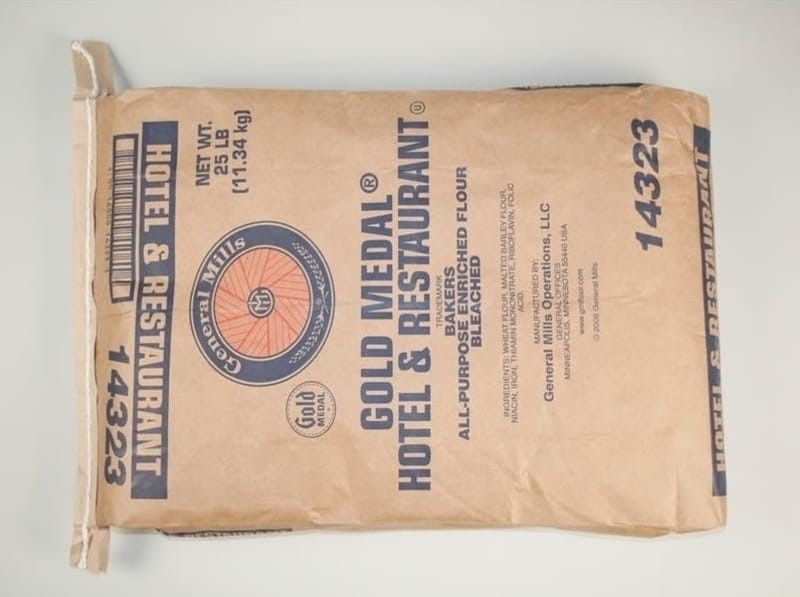
Even though we’ve been dealing with the coronavirus for over a year, we still hear questions and concerns over how the virus is spread and extra steps that can be taken to control it. In a recent discussion, we were asked if ServSafe food managers should be concerned about COVID-19 entering their business on the surface of supplies, food packaging or other materials that they use in their business. The StaySafe MN guidance for restaurants and bars has no specific information on this topic, so we decided to research the matter further.

Should ServSafe Food Managers Worry About COVID-19 On Supply Packaging?
Image credit: Food Service Direct

ServSafe Food Managers Ask, “Can Supply Packaging Spread Coronavirus?”

In the past, we’ve covered the near impossibility of coronavirus infection from food consumption. But, do ServSafe food managers need to be concerned with supply packaging? Does ingredient packaging, shrink-wrapped supplies and other containers that arrive on delivery trucks pose an infection risk to your staff?

While Minnesota COVID guidelines make no mention of this scenario, the CDC briefly addresses this on the consumer level.

According to CDC consumer guidelines, little evidence exists that coronavirus infections spread on food packaging from grocery stores or other outlets. If this evidence holds up for highly populated facilities, this statement would suggest that the same holds true for packaged goods delivered to foodservice businesses.

While COVID transmission risk on packaging may be low, cautious ServSafe food managers should be aware that sanitizing packaging that contains food products poses the risk of sickening customers through the ingestion of sanitizing chemicals. We’ve been asked if quickly sanitizing shipments or inventory would add an extra layer of protection, but we’d advise against it. The best defense would be to thoroughly wash your hands after receiving and storing deliveries. Consistent handwashing protects your guests from many different types of illness, both foodborne and otherwise.

Are you concerned that COVID-19 could enter your business on your supply shipments?

Certified Food Protection Managers recalling Staff

How To Tips For Certified Food Protection Managers Recalling Staff

During the course of the past year, many restaurants have had to lay off or furlough employees and many certified food protection managers have found themselves with a greatly reduced staff. Now that food businesses are increasing their capacity and guests have a desire to return to inside dining, many restaurants and food retail businesses find the need to increase staffing without hurting their bottom line. This week we’ll offer a few insights on how Certified Food Protection Managers can effectively recall furloughed staff while keeping an eye on your budget.

Certified Food Protection Manager Recalling Furloughed Staff
Image credit: Dmytro Sidelnikov via 123rf

A Strategy for Certified Food Protection Managers Recalling Staff and Balancing Labor Costs

We know that nearly all certified food protection managers have had growing concern about their staff’s financial wellbeing during the pandemic, but with restaurant closures and limited capacity there hasn’t been much businesses can do to provide hours for every staff member. Many food service businesses have been able to rely on forgivable PPP loans to fund their payroll even if employees are unable to work due to regulations or a reduction in business. If you’re still struggling to keep your staff employed, you may want to talk to your banker about the possibility of obtaining a PPP loan to pay your staff and keep your business afloat until guests once again begin flocking to your establishment.

If you are in the process of bringing in more staff members, but need to keep an eye on your bottom line, you may want to consider:

  • Prioritizing furloughed employees
  • Having an “on-call” list
  • Coordinating with other similar establishments to keep industry professionals employed

When composing a scheduled, certified food protection managers should prioritize staff they’ve been forced to furlough rather than hire new employees. Not only will this show your loyalty to your former staff, you’ll also be bringing back a trained employee that can begin work right away. You can also reach out to staff members who were once full-time employees and ask them to consider being on-call. An on-call employee may not receive guaranteed hours, but will often be willing to work on short notice.

Once you begin reaching out to former employees to re-staff your establishment, you may find that they’ve moved on to other industries or have found employment in a different food service business. We’ve heard stories that several restaurants have coordinated sharing part-time employees that desire to remain in the food-service sector even if fulltime hours are currently unavailable.

What’s your strategy for recalling staff now that restrictions are starting to lighten?

Important Vaccination News For Certified Food Managers In Minnesota

Important Vaccination News For Certified Food Managers In Minnesota

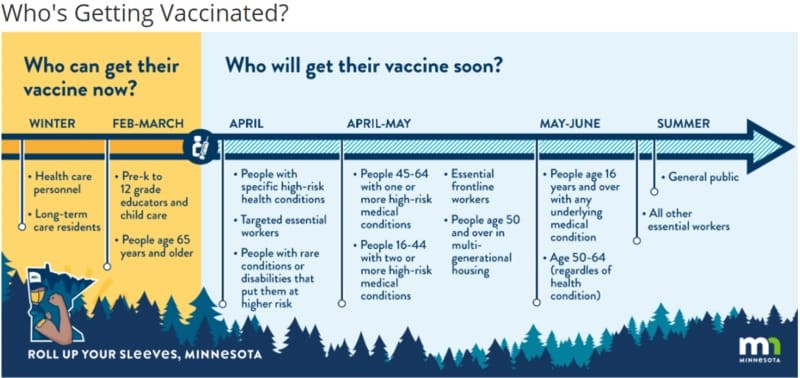
We’ve all seen the news reports showing the steady rollout of the COVID-19 vaccine among Minnesotan healthcare workers, seniors, susceptible groups and educators, but until recently, there’s been nothing more than speculation as to when certified food managers and other food industry employees will be eligible. In a recent announcement by Governor Tim Walz, a more detailed tiered approach to coronavirus vaccine distribution was explained and it provides specific vaccination news for certified food managers.

Important Vaccination News For Certified Food Managers In Minnesota
Image credit: mn.gov

New Vaccination News For Certified Food Managers On When Food Service Workers Can Be Vaccinated For COVID-19

Previous information stated that essential workers would be somewhere on the schedule before the general population, but certified food managers would have to make assumptions on when they and their staff would be eligible. On the current schedule, food service workers have been specifically placed into two targeted groups:

  • April: Food processing plant employees
  • April to May: Food production, food retail and food service
  • Summer: General population

While these targeted vaccination windows are speculative based on vaccine availability, a clearer picture exists as to when restaurant employees, food processors and others in the food and beverage industry will have an opportunity to receive the vaccine.

It’s also encouraging to see that Minnesota is targeting summer for open eligibility. Once we’ve reached a state of herd immunity our restaurants can return to one-hundred percent capacity, diners will be able to enjoy special occasions with large groups of friends and family and we can continue to grow our Minnesota food industry.

How do you feel about food service workers and certified food managers being allocated essential worker status when it comes to the COVID vaccine?