
Certified Food Manager CFM to Certified Food Protection Manager(CFPM)

Certified Food Managers and Changes in their Title and Requirements

As we’ve discussed in previous articles, the Minnesota Department of Health has proposed the first major update to the food code in quite some time. One important aspect of these changes includes the altering of certain terms that are commonly used in the code. This week, we’ll break down the change in terminology as it relates to the title of Certified Food Managers.

Certified Food Manager CFM to Certified Food Protection Manager(CFPM)

Image credit: Chef Kev Ashadevia – Wikipedia Commons – Vgreen19

Upcoming Changes for Certified Food Managers in the MN Food Code

We notice right away that the title of certified food managers is changing. The new language in the code will refer to the Certified Food Protection Manager. This is a slight change, but something worth taking note of. The duties and training required for the Certified Food Protection Manager (CFPM) will remain similar to previous requirements with a few exceptions.

One reason for this change is to clarify that the requirement for outlets to have a CFPM are based on risk rather than the type of facility where food production occurs. Under the new proposed food code, there will no longer be an exemption for mobile food units, such as food trucks or carts, temporary or seasonal facilities. These types of food producers will now be required to have a full-time CFPM based on their risk category.

The changes in the way the code deals with the certified food protection manager also clears up a few issues regarding certification and renewals. The instructor providing training and renewal courses must be certified themselves in order to provide certifications for students.

Finally, the Minnesota Department of Health is also altering the grace period allowed for renewal of certification. Rather than a full year, managers now only have a grace period of six months to complete their renewal requirements.

What do you think of the changes to the certified food protection managers in the new code? Will it affect how you go about your duties?
Prepackaged Food Safety Training

Prepackaged Food Safety Training

Most restaurants make their menu items in their own kitchens, but some chain restaurants with a multitude of locations and other facilities may not have the luxury of staff or kitchen space so they bring in certain prepackaged items to fill out their menus. In these cases, the distributor is the one who prepares and packages these meals, salad mixes or other ready-to-eat foods, so how much responsibility do you have to take to ensure prepackaged items are safe? We’ll take a look at prepackaged food safety training.

Prepackaged Food Safety Training

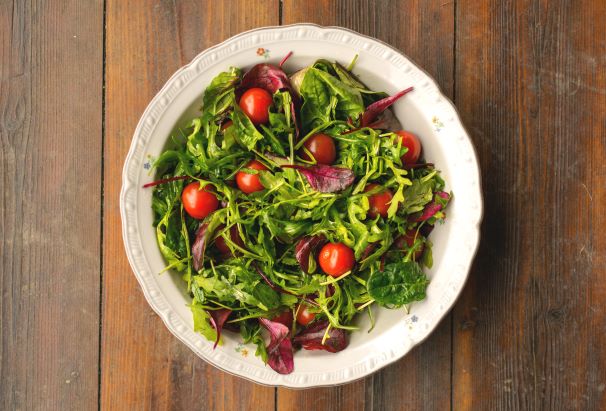
CC0 – Pubic domain license- Martin Vorell

Prepackaged Food Safety Training and Food-Borne Illness Risks

McDonalds recently fell victim to a food-poisoning outbreak in 15 states that was traced back to a salad mix that was prepared by Fresh Express and shipped to a large number of McDonalds restaurants. Just like July’s cases involving Del Monte vegetable trays, this salad mix was found to be contaminated with a parasite called Cylcosporiasis. In both of these cases, the parasites came from an outside source and not the restaurants, grocery stores or other outlets that sold them.

As food service managers, we cannot simply assume that these cases won’t happen to us, and if they do we need to have a better response than; “I didn’t make it, not my problem.” We need to use our food safety training in all instances, whether we’ve prepared the food ourselves or brought it in from an outside source. In the case of salad mixes and prepackaged vegetables, you’re still safe to wash and rinse these types of produce even if the sealed plastic bag declares that its contents are “ready to eat.” This extra precaution may save big headaches in the long run should the product be contaminated.

You should also take steps to prevent sickening your staff from non-produce items. Sometimes, undeclared allergens appear in dressings, snack bars and many other types of pre-packaged foods. We recommend vigilance in checking the FDA’s recall alert page. Here you can find a searchable list of all recent recalls due to contaminates or allergens.

Do you serve prepackaged, ready-to-eat foods in your facility? If so, do you provide prepackaged food training to your staff to ensure it is safe for your customers?

Food Safety Classes and Food Safety Month

Food Safety Classes and Food Safety Month

September is National Food Safety Month, and this makes for the perfect time to brush up on what you have learned in your food safety classes and go out of your way to make sure your facility is in top shape. It can also provide an opportunity to enlighten your guests to the steps you take to keep pathogens from reaching their plate.

Food Safety Classes and Food Safety Month

Promoting Food Safety Month During September

While we should remain vigilant throughout the year, setting aside one month to assess and address food safety in your facility is a great idea. This could be the perfect time to perform a mock health inspection so you can see if there are any gaps in your staff knowledge and performance. If you find any issues, conducting a few group food safety classes with your employees will get everyone on the same page and increase food safety awareness.

This also provides you with an opportunity to clue your guests in on some food safety procedures. A detailed handwashing sign in your public washroom, a card on the table informing them of your table sanitation process or even an extra sheet in your menu with a daily food safety tip they can apply at home in honor of food safety month can impress upon your clientele how much you value their health.

You should also take the time to identify key members of your team that are ready for the responsibilities of a certified food manager. It never hurts to have multiple employees certified in the event of the absence of your current certified manager.

ServSafe has provided tools and worksheets for you and your staff to review over the coming month to improve your food handling practices. Do you participate in Food Safety Month?

Minnesota Food Managers and Sourcing Wild Mushrooms

The Minnesota Food Managers and Sourcing Wild Mushrooms

The Minnesota Food Code is changing, and it’s not only going to affect the day-to-day duties of Minnesota food managers, but also change how they source and serve certain ingredients. One ingredient that is specifically targeted by upcoming regulation changes are wild mushrooms.

Minnesota Food Manager and Sourcing Wild Mushrooms

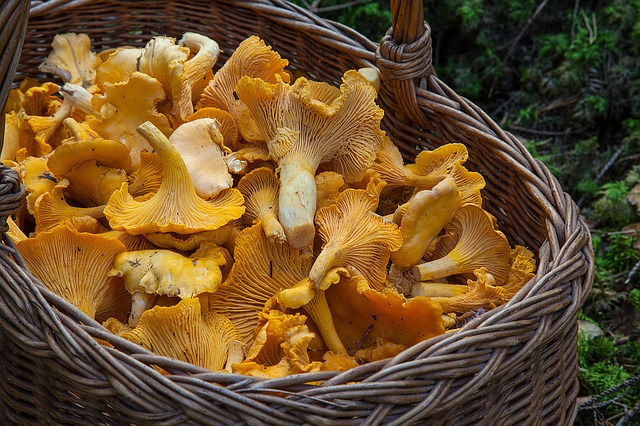
Image credit: maxpixel.net-CC0 Public Domain

Wild Mushrooms and Minnesota Food Managers

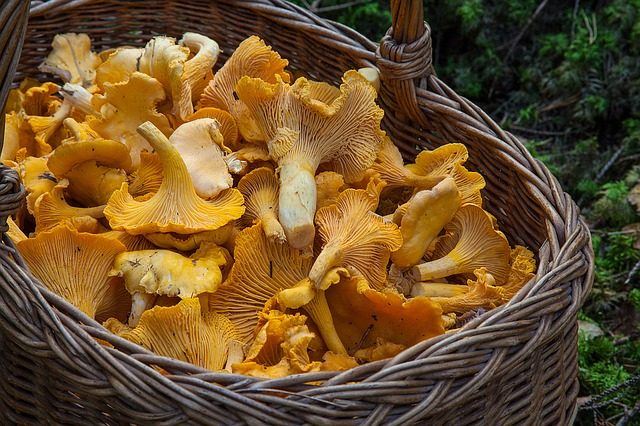
Before we begin our discussion, it’s important to understand the difference between wild mushrooms and other mushrooms. Most food managers source their mushrooms from major food service suppliers. These mushrooms are cultivated in facilities that fall under the jurisdiction of the appropriate local food regulatory agency. Some of these mushrooms can be the same species as those harvested in the wild, but are produced by food processing facilities. True wild mushrooms, however, come from the great outdoors and must be individually inspected by a verified expert in the field of mushroom identification.

Under proposed rule changes, food managers must keep a closer eye on where their mushrooms are coming from. Once these regulations go into effect, mushrooms must come from “registered harvesters or inspected food processing plants.” These new restrictions add an extra layer of food-safety by requiring licensed harvesters to take added responsibility for their product.

If your menu includes ingredients sourced from wild mushroom harvesters, make sure that your supplier is properly registered. This may help ensure that your product is safe and provide the health department more information in the event of food-borne illness as a result of tainted mushrooms.

Also included in this proposal is the requirement that facilities serving wild harvested mushrooms place a notice on their menus that mushrooms served were harvested at a site that has not been inspected. While your harvester may be fully registered, this notice is required to make consumers aware that their food has not passed the official inspections required for mushrooms produced in other facilities.

Do you serve wild mushrooms in your restaurant? If so, how do you feel about these new rule changes?