Certified Food Protection Managers COVID-19 in Food

Should Certified Food Protection Managers Worry About COVID-19 In Food?

The science behind understanding how COVID-19 spreads is ever-evolving and even though we don’t know everything about this virus, we have a general picture of how to prevent its spread. We’ve been told that masks, social distancing and avoiding large gatherings can slow the spread, but should Certified Food Protection Managers be doing anything to prevent the spread of the COVID-19 through the food we produce in restaurants and other food production businesses?

Certified Food Protection Managers Worry About COVID-19 In Food
Image credit: pickpik.com

Certified Food Protection Managers and COVID-19 Spread Via Food

In the early days of the pandemic, researchers had suggested that the risk of transmission through food was small, and a more recent study completed by the International Commission for Microbiological Specification for Foods seems to finally give us some good news on the COVID-19 front by claiming that there may not be a food safety hazard when it comes to the Coronavirus.

These findings are great news for certified food protection managers. As restaurants reopen, they now have the added responsibility of enforcing local health guidelines on top of their other duties, so it takes some pressure off knowing there’s very little chance of the spread of COVID through their food product.

The ICMSF’s study shows that since food enters the human body through the gastrointestinal tract, COVID-19 shouldn’t be considered a food safety hazard since the coronavirus’ method of infection involves contaminated air entering the lungs. According to the study, there has been no substantial evidence of cases of COVID-19 that can be traced back to food. The current theory is that traces of COVID-19 on food and food packaging will lose viability over time and even if the virus were to be consumed with food, it would be destroyed in the digestive process before reaching the bloodstream.

These findings don’t mean CFPMs can relax when it comes to food safety in the kitchen or coronavirus prevention measures. We should still be vigilant in keeping our food safe from all pathogens and providing a healthy dining environment for our guests.

Are you concerned that food may contain a hidden COVID-19 risk?
How Strict New Romaine Growing Standards Help CFPMs

Over the course of the past several years, we’ve seen numerous recalls on romaine lettuce and other leafy greens due to foodborne illness outbreaks. These recalls have caused headaches for Certified Food Protection Managers (CFPMs) as they’ve had to pull popular items like Caesar salads off of menus and scramble for replacement greens with every recall. The good news for CFPMs, the romaine lettuce growing industry is adapting and large growing regions in California and Arizona are adopting stricter regulations to prevent contaminated greens from being shipped to restaurants and grocery stores around the country.

Strict New Romaine Growing Standards Help CFPMs
Image credits: PxHere

CFPMs Benefit FromTougher Romaine Growing Standards

CFPMs should be able to rely on the quality of produce they receive in order to keep their customers safe. When they receive romaine or other greens that are tainted with E.coli, salmonella, listeria or other bacteria, there is often little they can do to prevent this contamination from spreading to their guests. In many cases, even rinsed and cleaned lettuce still contains traces of contaminates that are only killed at high temperatures.

The instability of the safety of the greens for major growing regions has forced CFPMs to reconsider where they source their produce. Some source it from outside California and Arizona, and others rely on indoor hydroponic farms to ensure the safety of their fresh greens. This has put pressure on major growers to adopt new standards to keep their greens safe. Some new rules going into effect in Arizona and California growing regions include:

  • Stringent treatment of water sources to remove pathogens
  • Enhanced water testing methods
  • Rewritten protocols to prevent groundwater from contacting edible parts of plants
  • Updated regulations for equipment storage and sanitation
  • Outlined practices to prevent the edible portion of greens from contacting soil during harvest

As you can see, the studies that have linked contaminated water and pathogens in Romaine lettuce have led to changes in the testing and treatment of water. Growers are also recognizing the connection between soil contact and contamination and taking steps to prevent contamination through contact with the ground, tools that have touched the soil and other possible contacts that could contaminate lettuce during harvesting.

While there’s very little CFPMs can do with some contaminates, it’s important to be aware of changes in the lettuce growing industry that could make volatile ingredients such as leafy greens safer to consumers.

Do you feel large growers are doing enough to keep the greens they ship safe for consumption?

The COVID-19 Impact On New Restaurant Design For Food Safety Managers

When regulations for the reopening of restaurants rolled out, many food safety managers were left scrambling to meet standards in order to reopen their businesses. Over the course of the reopening processes, we’ve heard speculation that newly opening restaurants are ditching standard designs for plans that already meet or exceed recommendations in preparation for future public health crisis situations. Let’s take a look at some key aspects of how COVID-19 has changed the way food safety managers look at restaurant design.

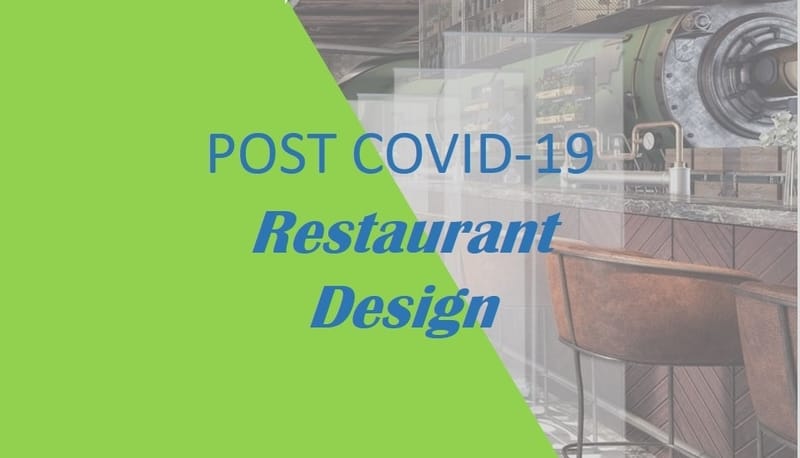
Post COVID-19 Restaurant Design for Food Safety Managers
Image credit: SynicCorp

How the COVID-19 Pandemic Could Change Restaurant Design for Food Safety Managers

In researching new restaurant designs being implemented today, food safety managers notice three key elements that have been implemented due to current COVID regulations:

  • Greater connectivity to support remote ordering
  • Powerful and upgraded ventilation systems
  • Roomier dining rooms and booths separated by partitions

New restaurant designs are also adding remote ordering kiosks at tables, near pick-up counters and even in parking lots. These types of ordering systems put a toll on Wi-Fi networks, so designers are including plans that result in higher bandwidth possibilities that help integrate the ordering and payment process. at restaurants that previously operated without these systems may have been forced to purchase equipment in order to facilitate remote ordering in their establishments. New restaurant designs seem to be taking care of that for owners and food safety managers before construction even begins.

One of the biggest challenges for restaurateurs during these times has been meeting HVAC standards to allow indoor dining. New restaurant designs are being planned with more powerful ventilation in the kitchen and in dining areas. Rather than install HVAC systems that simply meet restaurant construction codes, new facilities are planning ahead by including systems that exceed Stay Safe MN COVID-19 ventilation standards.

Finally, restaurant designers are coming up with plans should social distancing in dining rooms become the norm. Booths are being separated by Plexiglas partitions, more space is being considered in dining areas and even kitchens are being constructed to keep back-of-the-house staff separated while performing their duties.

Have you noticed any other restaurant design trends that the current pandemic has changed to help food safety managers deal with future public health scenarios?

Fantastic New Food Service Manager’s Guide for Mask Enforcement

In order to comply with Stay Safe MN guidance, restaurants are required to ask guests and staff to wear a properly fitted face-covering in indoor settings. For the most part, customers will automatically adhere to these guidelines, but there are some that will argue or refuse to follow them. What should food service managers do in order to comply with mask enforcement guidelines and prevent an incident with an unruly guest who refuses to wear a face-covering in dining areas?

Food Service Manager's Guide for Mask Enforcement During Covid-19

How Food Service Managers Can Promote Mask Use Without Confrontation

Food service managers have enough on their plate as it is, so dealing with customers who refuse to follow mask mandates adds additional frustration during already trying times. We have a few suggestions that may ward off a confrontation before it begins.

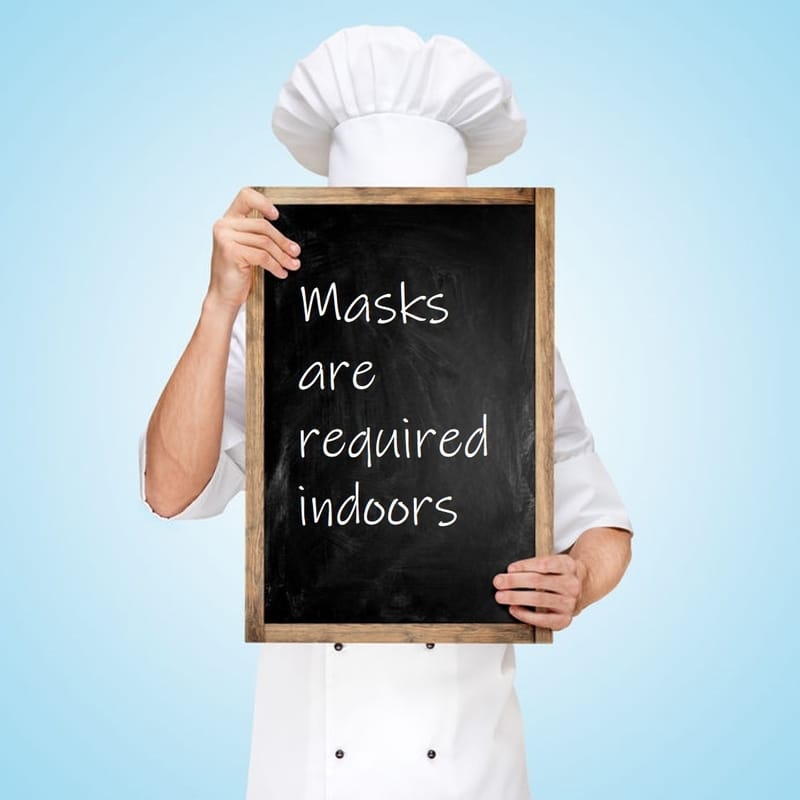
Food service managers should have clear signage that masks are required indoors. Customers should be made well aware of that before they even set foot in your establishment. Since reservations are required for indoor dining, guests should be reminded when making these reservations that that will not be allowed in the building without a face covering. We’d also recommend that you provide curbside pick-up and let potential guests know that to-go orders are available. If you have these options available, those who do not wish to wear masks will have the ability to order from your restaurant without stepping foot inside.

People are usually understanding if they know ahead of time that these rules are in effect, so making it abundantly clear could go a long way towards preventing frustration.

We’ve talked to a few restaurateurs who have had customers try to use a couple of popular lines of reasoning in order to enter dining rooms without face coverings. The two most common reasons guest attempt to boycott face coverings are:

  • Violation of Constitutional Rights
  • The Americans with Disabilities Act

From a legal standpoint, the First Amendment of the Constitution does not apply to private residences or businesses. To put it simply, the First Amendment applies to the U.S. government restricting speech, not your private business. Food service managers can refuse to serve those not wearing a mask without violating their Constitutional rights.

The ADA does require restaurants to make accommodations for those with disabilities unless doing so would impede their ability to safely serve other guests. Since CDC guidelines state that asymptomatic COVID-19 carriers could spread the disease, it’s a food service manager’s duty to make sure masks are worn. In this case, recommend curbside pick-up or to-go orders if you have a guest who may not be able to breathe for long periods of time while wearing a face covering.

How are you communicating mask rules to your customers?