
CFPMs can reinforce Approved use of Sanitizing Solutions

How CFPMs Can Reinforce Approved Use Of Sanitation Solutions

Sanitizer solutions are essential in reducing the risk of sickening guests, but when used improperly, they can actually increase foodborne illness hazards. So how can certified food protection managers ensure that the staff is using the sanitation solution properly?

Proper Sanitation Solution Use for Certified Food Protection Managers

There are four things CFPMs should be aware of when it comes to properly using sanitizer solutions:

  • Approved Solutions
  • Strength
  • Effective Time Lapse
  • Cloths Soaked in Solution
CFPMs Can Reinforce Approved Use Of Sanitation Solutions
Image credit: vectorfusionart via 123rf

Your sanitizer solution must be a solution approved by the Minnesota food code. Common approved solutions include bleach, quat sanitizers and iodine. These solutions must be mixed to the appropriate strength, so follow the directions closely and use test strips from your sanitizer supplier to ensure proper strength. If it’s too strong, you risk contaminating food with the chemicals involved, and weak solutions will not properly sanitize your surfaces and equipment. Many restaurant suppliers offer automated dispensers that will mix sanitizers and water at the appropriate strength, just make sure to test from time to time to ensure that your solutions are in acceptable ranges.

Sanitizer solutions don’t remain effective forever, so certified food protection managers should instruct their staff to dispose of old sanitizer at regular intervals. If used often, these solutions may become less effective sooner than indicated on the bottle’s label, so be aware that solutions may need to be rotated frequently.

Finally, be aware that your solutions don’t necessarily completely sanitize cleaning rags. If you have an extremely dirty cloth and continue to use it, you’re not exactly sanitizing anything. In fact, you could be spreading grease and bacteria all over your kitchen no matter how long a dirty rag has sat in your sanitizer solution. The best plan is to keep a damp sanitizer rag available rather than soaking it in sanitizer buckets and use clean cloths after old ones become soiled.

Do you take the time to test your sanitizer solutions from time to time to ensure their effectiveness?
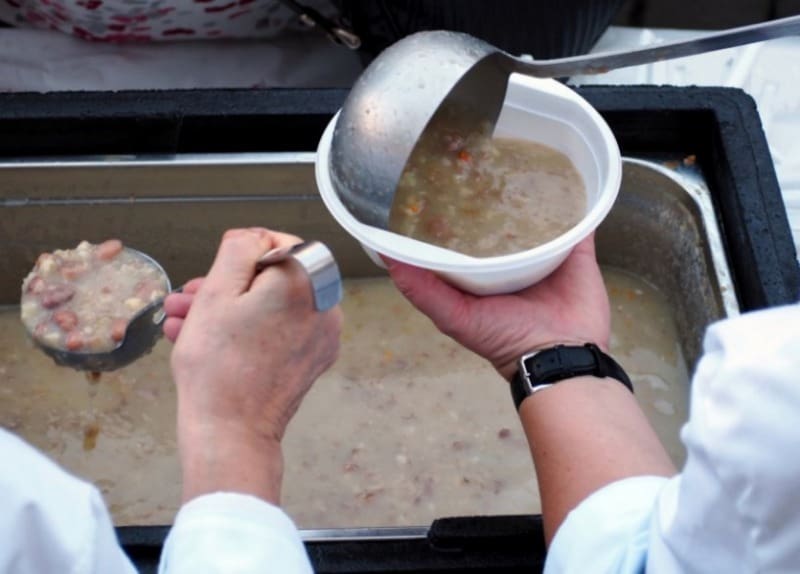

CFPM serving Soup at food charity

Are Food Charities Actually Required To Employ A Professional CFPM?

Over the past few years, there has been an uptick in food charities as the pandemic and other factors have created the need to help those who struggle with hunger and affording proper nutrition. With so many soup kitchen type charities helping fill that need, we’ve been asked if food charities need to have a certified food protection manager – CFPM oversee their operation. There is no cut and dry answer, because there are a lot of variables involved, but if you run a food charity, you may want to consider certified food protection manager training to keep the food you provide safe.

Are Food Charities Actually Required To Employ A Professional CFPM?
Image credit: lucapbl via 123rf

The Benefits of Certified Food Protection Manager Training for Charitable Food Efforts

When talking about certified food protection managers for businesses, most restaurants and food production businesses are required to have one certified food protection manager (CFPM) on staff to ensure that food is prepared in accordance with the Minnesota food code and that all employees are aware of safe food handling procedures. Since charities are not exactly a food businesses, there may be some confusion among volunteer organizations as to whether they should have a member of their volunteer team receive CFPM training.

Whether or not you are required to have a certified food protection manager may be up to your local health department. If you’re simply distributing prepackaged meals or heating ready-to-eat product for instant service, your organization may be considered low-risk and not monitored by the health department. If you are preparing raw products, chilling and reheating items and storing them for later service, you may want to consider certified food protection manager training even if your local health department does not require it. Benefits of CFPM training include:

  • Better Insight into Food Safety
  • Knowledge of How to Store Hot and Cold Foods
  • Confidence that Those You Help Receive Pathogen Free Meals
  • Ability to Oversee Untrained Volunteers

Even if you’re not selling food product, food safety is incredibly important. Knowing how to properly prepare food keeps those you help safe. Most food charity organizations are staffed by volunteers who may have never had any food safety training, so having a CFPM overseer who has been trained will help prevent a lack of knowledge from sickening those you are trying to help.

Do you run a food charity and would like more information on CFPM training in Minnesota?

Sure Fire Tips for Taking the Certified Food Manager Exam after Taking the Online Course

We’ve seen an uptick in certified food protection manager ( CFPM ) candidates taking the online food safety course due to its convenience. Every so often, we receive a call or an email asking how to access the online certified food manager exam so that it can be taken from home. As per Minnesota CFPM rules, the certification exam must be taken in a supervised environment to ensure that the test is monitored properly. While most certified food managers would never cheat, this also allows for an appropriate supervisor to be present should there be an issue with the test. Since the certified food manager exam setting is different than the online class, it’s important to prepare for the examination a little differently to ensure the best results.

Sure Fire Tips for Taking the Certified Food Manager Exam after Taking the Online Course
Image credit: Andy Barbour via Pexels

Preparing for the Certified Food Manager Exam After Taking the Online Class

We have a few simple tips for taking the certified food manager exam:

  • Schedule the exam as soon as possible
  • Take notes during the online food management course
  • Be punctual on exam day

If you’re taking the instructor-led version of the food manager course, the exam generally follows that same day. This is not true with online food safety courses; you must schedule an in-person examination. Keeping that in mind, try to take the exam at the closest possible date shortly after finishing the course. This will keep the information fresh and keep your confidence high.

While taking the course, be sure to take detailed notes that you can review later. This will help refresh your memory after some time has elapsed since the training.

Finally, be on time for the certified food manager exam. Plan your route ahead of time and leave enough leeway in the event of travel difficulties. If you run late, you may miss valuable test-taking time. It’s also been suggested that lateness may increase anxiety as you’re worried about showing up before the test starts. This worry may bleed over into your efforts to do well on the test.

Do you prefer taking the certified food manager exam immediately after an instructor-led course or scheduling it as soon as possible after the online course?

How Certified Food Protection Managers Can See a Better Food Cost Picture

How Certified Food Protection Managers Can See a Better Food Cost Picture

Certified food protection managers know that keeping an eye on food costs allows for better profit margins, waste reduction and inventory control. However, many food businesses calculate their food costs by using a simple formula involving the cost of goods versus sales hoping to hit a food cost percentage somewhere in the low thirties. While this simplified system gives a good overview, many certified food protection managers benefit from delving deeper into their food cost picture. Let’s take a look at a couple of ways to get more detail into whether your food costs are hurting or helping your bottom line.

How Certified Food Protection Managers Can See a Better Food Cost Picture
Image credit: dolgachov via 123rf

A Certified Food Managers Guide to Food Cost Control and Better Profits

Meeting food cost goals is a must for survival in the food industry. With prices rising and product shortages becoming an issue it’s more important than ever to track food costs. Rather than simply calculating expenses versus profits, there are other steps that can help certified food protection managers see where the worst offenders are for causing costs to rise. Certified food managers should:

  • Evaluate the cost of each menu item
  • Look for substitutes for high-priced ingredients
  • Consider trimming expansive menus

It definitely will be a tedious process, but calculating the cost and profit margin on every item on your menu gives you a great picture of how you’re investing in your ingredients. You may find that you have certain items that cost way too much to produce that are throwing off your food costs. These expensive items can drain your income, so you may wish to consider raising prices or adjusting recipes to keep your menu sustainable. On the other hand, you may find that there are some items you’re practically giving away. Some certified food protection managers use these dishes to offset costs of dishes that detract from food cost goals or increase sales prices; achieving a balance between the two will help manage food costs more effectively.

When evaluating your menu, you may find some ingredients are just not sustainable when it comes to food costs and waste. There are many talented food business managers that would see more affordable, yet quality, substitutes.

You may also find that waste is high on low-volume menu items. If you’re throwing away large volumes of product, that’s going to kill food costs, so menu adjustments may be necessary.

If you don’t know how to begin calculating individual menu item food costs, we suggest you talk to your product supplier. Many significant suppliers offer software that eases the process, and many of these programs even have live cost updates so you can check week to week to see where your bottom line sits.

Have you taken the time to evaluate how you calculate food costs?