Proven ServSafe Guide For Better Shellfish Storage

The ocean waters are getting colder, which ushers in the prime season for live mussels from Penn Cove, Washington, North Atlantic clams, or fresh Virginia oysters. The import of live and fresh shellfish can raise ServSafe MN questions, such as how to keep shellfish alive during the storage of these seasonal catches.
Proven ServSafe Guide For Better Shellfish Storage
Image credit: angrysun via 123rf

Fresh Shellfish Storage Tips For ServSafe Managers

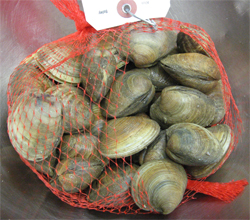
In the case of clams and mussels, the best time to cook them is when they are still alive. We recommend that they be cooked, processed, or sold within a day or two of their arrival. This will ensure incredible quality and freshness as well as reduce foodborne illness.

Upon receiving your fresh shellfish and before storage, we first recommend that ServSafe managers inspect them. If they have a pungent odor or you see several open shells, your shipment inevitably has dead clams, mussels, or oysters. The second thing we recommend is that you rinse shellfish under cold, running water. As you do this, be aware that live shellfish will drown if kept under unmoving water.

Once you have rinsed them, ignore your instincts to clean your shellfish, especially mussels. Many times, you will see plant life attached to mussels. This plant life can be attached to the membrane, which holds the shell shut. Removing it will damage and kill your mussels. We suggest that you wait to clean shellfish until just before processing.

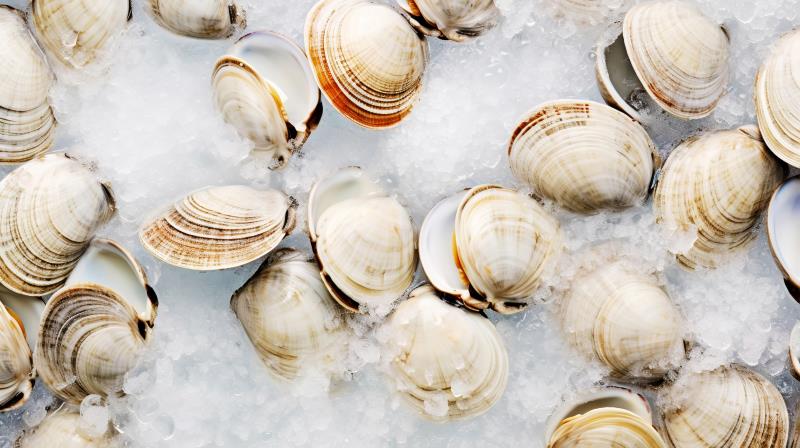
ServSafe managers must train staff to keep live shellfish in refrigerated storage under 40oF. They should be stored in a perforated pan and covered with ice. Ensure you place your perforated pan in a deep enough container to accommodate ice melt. Remember that live shellfish will die if submerged.

You should also periodically check your shellfish. A good sign of a dead clam is an open clam while all the other clams are shut firmly. Remove dead shellfish as soon as possible to prevent contamination.

Allergy Concerns

With live shellfish, it is always recommended that you remember that many people can have severe allergic reactions to the slightest contact. To prevent cross-contamination with non-seafood items, ServSafe Managers should store your shellfish as far away as possible from other foods, and never above or below other raw meats. A good suggestion would be to store shellfish on a bottom shelf under packaged foods.
grease collection sanitation for ServSafe managers

Superior Grease Collection Sanitation For ServSafe Managers

Your grease traps and hood vent filters must be emptied regularly. Cleaning the areas where grease collects is vital to prevent grease overflow. Food safety is the prime reason we discuss grease contamination in ServSafe Managers training courses and we want to provide tips for grease collection sanitation.

Superior Grease Collection Sanitation For ServSafe Managers
Image credit – en.wikipedia.org

ServSafe Managers Benefit from Clean Grease Traps

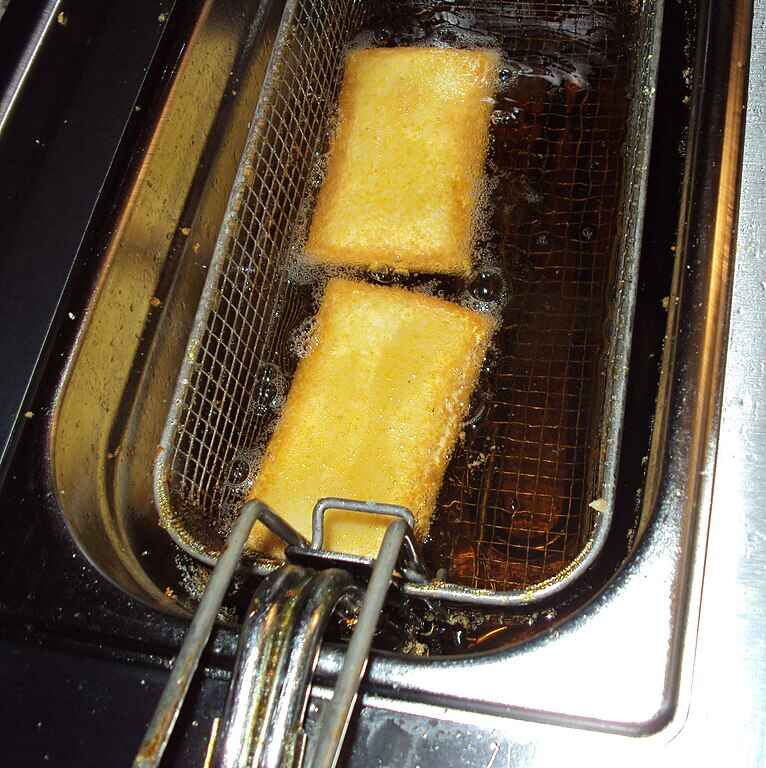
Grease collects on the outside of your deep fryers, and the traps on your flattop grill. In addition, it can also build up in the filters of your hood vent system. It can potentially create food hazard risks by:

  • Attracting insects
  • Providing a breeding ground for bacteria
  • Contaminating food

First, grease attracts three common kitchen pests. Greasy areas are a preferred food source and breeding grounds for fruit flies, common flies and cockroaches. Fruit flies can become especially troublesome. They can gain sanctuary in greasy areas and spread to the rest of your facility.


One common misconception ServSafe Managers have with grease collection sanitation is since it has already been heated on the stovetop or grill, it cannot be a severe foodborne illness risk. The grease in your traps and hood vents contains elements of the food that you have cooked and essentially lives in the danger zone 24 hours a day. Basically, if you have excessive grease anywhere in your facility, you have created perfect growing conditions for bacteria that can potentially end up in your guest’s food.

Simple Solutions to Avoid Grease Contamination

There are simple solutions ServSafe Managers can use to keep food safe from grease contamination. First, empty and clean your traps a vent filters often. Secondly, make sure that your overhead hood vent filters are completely dry before replacing them. Allowing water to drip from them onto your cooking surface can create safety hazards above deep fryers and cross contamination issues if the water drips onto food. Lastly, take the time each day to clean areas where fryer oil and other greasy food components are prepared. This will prevent buildup and make thorough cleaning easier.

Like many foodborne illness concerns, simple sanitation is the easiest was to keep your guests safe. What simple tasks do you feel are important to prevent small issues from becoming major problems?

ServSafe Managers Should Consider When Using Local Farmers

6 Important Tips For ServSafe Managers Using Local Growers

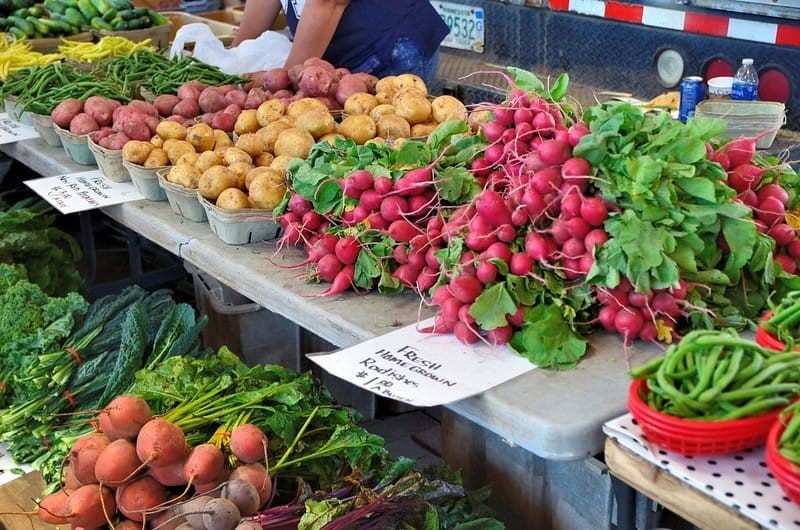
According to the Minnesota Department of Health, the use of local produce at MN food facilities has risen considerably in the last decade. While buying locally requires extra work and extra attention, the results are usually well worth the time. Local produce is fresher. Buying local food supports the community and the environment. There is growing consumer demand for local food. Using local produce can substantially increase a food establishment’s popularity. We created a list that ServSafe Managers should consider when sourcing produce from local growers.

6 Important Tips For ServSafe Managers Using Local Growers

Six Things for Restaurant Managers and ServSafe Managers To Consider When Using Local Farmers

This information is helpful for ServSafe Managers certification in MN.

  • Take Small Steps – It is easy to add a few items to existing menus.  For example, it’s possible to extend a salad bar to include local tomatoes and specialty greens in season. Local fruits and vegetables can replace the standard fare from a national distributor. Local varieties of root vegetables can substitute for more generic produce. Start small, and adjustments are easier to make.
  • Buy in Season – The great advantage of local produce is that it does not travel far. It is harvested at its peak of flavor and ripeness. It is consumed closer to the time of its harvest. Buying in season saves money and generally guarantees freshness. By keeping track of what is available throughout the growing season, ServSafe managers optimize their use of items from local growers.
  • Work With Distributors – Many distributors have expanded to include the local produce markets, at least in part. Check with your existing distributors to make sure they include local produce. As demand for local produce grows, so do services to provide that food effectively. Local distributors will have email lists, websites, phone hotlines and other means of letting their customers know what is available week to week.
  • Visit the Farm – Buying local produce is an investment in the local community. Farms frequently have visiting days during the harvest season. Checking the care, cleanliness, and competence of farm production and personnel will build confidence and a good working relationship with local growers. Local growers should be aware of requirements for ServSafe managers certification.
  • Plan Effectively – Using local produce requires flexibility. Buy produce in season. Take advantage of weekly specials. If a local product is not available, the distributor may offer a substitute. Keep a close eye on spoilage, and rotate what’s been purchased. Use produce as close to purchase time as possible.
  • Keep Track – Take special care to check in orders for local produce, especially as there may be numerous small orders in each delivery. Always get a receipt, and save it. Document and analyze your purchases to determine if the use of local produce is cost-effective.

These are some of the challenges and benefits to food service and restaurant managers when using local produce. As a certified ServSafe Manager do you treat locally grown food differently then food from national suppliers?

Smoking meats by ServSafe MN Standards

ServSafe MN Standards For Authentic Smoked Meat And Cheese

Smoked meats and cheeses are delicious on their own and can add flavor to any menu item your facility prepares. If you smoke your own product in-house, there are some precautions that you should take to ensure that it will be safe for your customers to enjoy. This week, we’ll share a few tips that will help you smoke your meats and cheeses according to ServSafe MN safety standards.

Smoking meats by ServSafe MN Standards
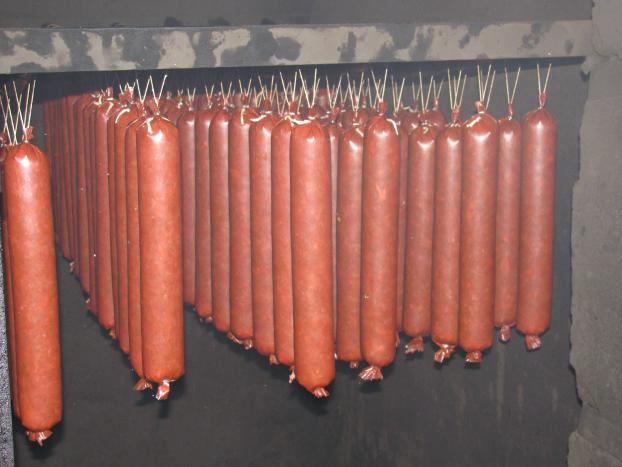
Photo credit: en.wikipedia.org

Keeping Smoked Product Pathogen Free Using ServSafe MN Standards

Smoking adds flavor and cures foods at relatively low temperature. This means that you must be aware of the temperature of your process throughout the smoking process. The Minnesota Food Code states that foods cannot be in the danger zone for more than two hours. Which means your product should be smoked at over 140 degrees or be in your smoker for a short amount of time.

Since there is the potential for bacteria to grow while you are smoking meat. We have a few tips to ensure that your product will not become a breeding ground for food-borne pathogens.

  • Never smoke partially cooked or partially frozen product
  • Never baste your product in the same brine your raw product marinated in
  • Always smoke reasonable sized portions

Placing partially thawed or cooked product in your smoker will almost always guarantee that its internal temperature will be in the danger zone during all steps of the smoking process. This will increase bacteria growth and pose a health risk to anyone who consumes the final result. Make sure that you always allow adequate time for thawing should you desire to smoke previously frozen product.

It is also a good idea to assess the size of the portions of food you are placing in your smokers. Small smokers may not be able to safely cure large chunks of meat. This will leave a raw interior that has been in the danger zone far too long and increase the chances of spreading food-borne illness.

Consider Cold Smoking Fish and Cheese

If you are smoking fish or cheese, heating your smoker to over 140 may produce unsatisfactory results. There is a solution, however, that can allow you to obtain flavorful product without sacrificing food safety. If your smoker has multiple racks, your best option may be to utilize a cold smoking method. This method involves placing a metal container full of ice above and below your cheese or fish product. It will circulate smoke as well as cold air inside of your smoker. Hopefully keeping the temperature as low as possible. This method may take some troubleshooting since many smokers operate differently. However, once you have mastered cold smoking, your product will not only be safe to eat by ServSafe MN standards. It will also be able to produce more consistent results.