
Minnesota Football Season and Certified Food Managers

Minnesota Football Season and Certified Food Managers

It’s football time, and that means it’s time to pull the jerseys out of the closet, cook up some tailgating cuisine and root on our favorite teams. Many local restaurants will offer game day specials, buffets on weekends and pull out all the stops while their guests enjoy some pigskin action. Whether you bleed maroon and gold or purple and gold, we have some tips for certified food managers to draw in additional Minnesota football season fans and provide exciting service that will keep customers coming back week after week.

Minnesota Football Season and Certified Food Managers
Image credit: af.mil

Certified Food Managers and Football Specials

Sports fans look for two things when considering places to enjoy games: excitement and value. No true football fan wants to sit in an empty lounge and pay regular price for nachos and beer, so we have some tips to help you attract guests looking to get the most out of their pigskin viewing experience.

  • Value-priced food specials
  • All-you-can-eat menu items
  • Contests, games and prizes
  • A lively environment

Football fans are looking for a deal, and a certified food manager can provide it without taking a hit in profit margins. Ingredients for menu items such as nachos or chips and dip don’t take a huge food cost hit, and can even be offered as an all-you-can-eat item without killing profit margin. You may even want to consider affordable and refillable items like French fries, and discounted menu items whenever the home team is on top. Remember, the goal is to get people in the door. Offer upgrades such as handmade guacamole, meat, dips or other toppings at an additional cost. Be creative, you know what your food costs look like, and certified food managers can use their intimate knowledge of their menu to find value items that customers will enjoy and lead them to make additional purchases.

This may be an idea more suited for the front of the house managers, but if you’re a certified food manager than runs both front and back of the house operations, consider running contests and games rewarding patrons for various activities. Consider some sort of football bingo for a free appetizer, reward the best-dressed fan with a two-for-one special or create a random fantasy or knockout pool that runs the entire season. This will keep guests coming back to see their fellow contestants week after week.

Finally, football fans want an environment where they can be loud and have fun. Having several televisions playing various games is a plus and will draw out of town guests.

Do you use football season to market your restaurant? What’s the best promotion you’ve seen a certified food manager use during football season?


Foodborne Illness Incubation

Certified Food Protection Managers and Foodborne Illness Incubation

Foodborne Illness Incubation
Image credit: dolgachov via 123rf & needpix.com

Certified food protection manager training teaches food management professionals the causes and prevention of foodborne illness, but sometimes the tracing of foodborne illness sources doesn’t get as much attention as it deserves. Foodborne illness incubation refers to the time that lapses between when contaminates are ingested and an infected consumer begins showing symptoms. We find foodborne illness incubation useful when trying to identify the type of illness and the product that caused outbreaks.

Using Foodborne Illness Incubation As A Forensic Tool

When people get sick from eating contaminated food, they’ll either call the local health department or the eating establishment they feel sickened them. When they do, there are three important questions that need to be asked:

  • What did you eat?
  • When did you begin feeling symptoms
  • How long did your symptoms last?

The what is important, but you’ll need more information besides what the guest thought sickened them. They could experience salmonella symptoms and assume chicken or eggs, but in reality, a shipment of tomatoes that had been recalled after they were served could have been the culprit. It’s vital to get as much information as possible, not just ask what they assume caused their illness.

Incubation times can also be an indicator. Here are some common times for frequent illness offenders:

  • E.coli: 1 – 10 days; most commonly 3 – 4
  • Salmonella: 3 – 60 days; most frequently 7 – 10
  • Norovirus: 12 – 24 hours
  • Marine toxins: 1 minute – 48 hours

As you can see, many common culprits have very different incubation times, so if you work with the health department you should be able to determine if the illness actually came from your establishment, or if the guest consumed tainted product at home or elsewhere. This is just a partial list, but the CDC has compiled an extensive table exploring incubation times for many foodborne illnesses.

You should remember that as a certified food manager, you may not be able to diagnose the source of foodborne illness from your restaurant or elsewhere. If you have guests call, especially if it’s several with similar symptoms, we strongly urge you to contact your local health department for help with the situation. They’re there to help protect the public from illness and help foodservice operators keep their food safe.

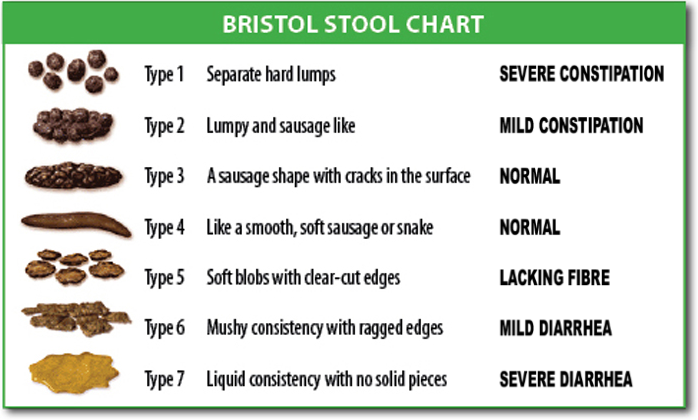
ServSafe Guide to Cyclospora - stool chart

ServSafe Guide to Cyclospora Illness

According to a recent CDC survey, 1,600 people nationwide have been sickened by a parasite known as cyclospora since May 1st. Cyclospora isn’t commonly discussed throughout the food industry, and most outbreaks are often traced back to food and water consumed internationally. Due to the high number of recent domestic cases, some in our state, some in MN, we created a Servsafe guide to cyclospora illness in Minnesota.

Our Servsafe guideline to identifying Cyclospora are common symptoms such as:

  • Watery diarrhea (most common)
  • Nausea
  • Loss of appetite
  • Fatigue
  • Cramping
  • Bloating
  • Increased gas
ServSafe Guide to Cyclospora - stool chart
Image credit: Wikipedia

ServSafe and the Prevention of Cyclospora Illness

Cycloporiasis is an intestinal illness caused by a parasite. This parasite is spread through contaminated food and water and has an incubation period of approximately two weeks, making it difficult to trace.

This parasite is spread through food contaminated with fecal matter. There can be a few ways that food can become contaminated:

  • Food prepared by unwashed hands
  • Food that has come in contact with sewage backup
  • Raw ingredients grown on farms with infected water supplies

ServSafe guidelines to prevent Cyclospora recommend CFPMsmust closely monitor and enforce handwashing policies in their facility. If one of your staff unknowingly carries the cyclospora parasite and fails to properly wash their hands after using the restroom, they could spread ill effects to your guests.

It should be common sense, but ServSafe managers need to be very careful whenever there are plumbing or sewage issues in their place of business. Even a small amount of contaminated water can infect food, leave parasites on boxes, equipment and food preparation surfaces. Always take care to dispose of the exposed product, sanitize work areas and ensure a clean working environment after any of these issues.

There are times where the spread of parasites may be out of your control. Make sure that you follow Servsafe protocol to inspect and wash all raw produce before using. If you or your staff handles unwashed produce, remember to wash your hands afterward. Dirty produce can transfer parasites and bacteria to your hands and potentially infect your guests if you neglect proper handwashing.

Are there any other foodborne illnesses you feel food safety community neglects?

Certified Food Protection Managers Cease Operations

When Should Certified Food Protection Managers Cease Operations for Sanitation

Sometimes health department inspections happen without issues and sometimes minor procedures need to be addressed, but what should be done after a failing a health inspection or the health inspector arrives at your facility after multiple reports of foodborne illness? What should trigger a certified food protection manager to consider a temporary shutdown?

Certified Food Protection Managers Cease Operations
Image credit: PXhere

Knowing When a Certified Food Protection Manager Should Consider Temporary Closure

It’s very important to know the difference between a failed health inspection report that can be addressed without shutting your doors and one that requires a complete shutdown.

Take a recent incident in Colorado involving a Red Robin restaurant for example. After multiple reports of E.coli poisoning and several critical health violations, the management of the restaurant determined that a voluntary closure was necessary to address sanitation issues and complete food safety training for all employees at this location. We don’t know if the local health inspectors would have mandated a shutdown eventually, but it should be noted to the company’s credit that they put the health of their customers over the potential loss of business when word of the shutdown spread.

We should also point out that their Colorado equivalent of our MN certified food protection manager decided to work with the local health department rather than address these issues on their own. In a situation like this, there is no greater expert in the field than your trained health inspector. They know the food codes and potential causes of foodborne illness better than anyone.

Certified food protection manager training in Minnesota does not specifically outline the point when you need to close your doors to address food safety issues, but it should give us a guide to recognize when we have a major problem. If you have an isolated sanitation issue or one or two employees that commit violations due to poor training, you can probably fix these situations without closing your facility. However, if you have several guests reporting sicknesses after eating at your establishment, have a health inspection review with several different of red flags or have known equipment issues that prevent you from protecting your guests, closing your doors temporarily to properly address these issues may be the right thing to do.

Working with your health inspector to address issues is the best way to reopen in a timely manner. If you need a knowledgeable professional to come to your facility to provide training, Safe Food Training can design a course to address specific issues pertinent to your establishment.