
Highlights From New Consumer Food Safety Confidence Survey

Highlights from New consumer Food Safety Confidence Study

As a supply chain innovator, Zebra Technologies manufactures high-tech products that help businesses manage and monitor their supply chain. Some of their products include technology related to food quality monitoring and supply chain tracking. They recently conducted an extensive survey and study about consumer food safety confidence. This lengthy study brings to the forefront many issues ServSafe food managers should pay attention to, so let’s take a look at some of the highlights.

Highlights From New Consumer Food Safety Confidence Survey
Image credit: nicoletaionescu via 123rf.com

ServSafe Food Managers and Consumer Food Safety Concerns

In conducting this study, Zebra surveyed 4,957 consumers and 462 food and beverage firms worldwide. While each region had its share of diverse concerns, the results of those surveyed in the U.S. and the rest of North America shed some light on how our customers view food safety. Some consumer food safety stats that should concern ServSafe food managers include:

  • 60% would never return to a business where they consumed tainted product
  • More than 80% believe all businesses have an ethical responsibility to enforce strict safety standards
  • Approximately 70% feel it’s important to know how their food is handled and prepared
  • 69% would like to know how their food is sourced

As you can see from the first two statistics, consumers believe in strong food safety standards and trust will be easily lost, even after just one incident. That’s why it’s vital that your food business has clearly outlined safety standards and there are no training gaps when it comes to food safety.

It may come as a surprise that more restaurant-goers feel the need to know where their food comes from and how it’s handled. It’s no longer enough just to trust that restaurants have strict food handling procedures.

To respond to consumers who are looking to know every detail of food production, ServSafe food managers should be prepared to answer questions as to the source of their ingredients, especially potentially vulnerable items such as seafood. Customers will eat much more confidently if their concerns about sourcing and handling can be quickly addressed.

On a final note, consumers were asked what they perceived to be the biggest issues when it comes to food safety. The top answers include:

  • Kitchen staff hygiene
  • Foodborne illness outbreaks
  • Contaminated product
  • Consuming recalled ingredients

As you can see, three out of four issues all concern the state of product before it reaches your facility. Do you feel it’s important to know where your ingredients come from?
Food Safety Standards for Automated Restaurants

Food Safety Standards for Automated Restaurants

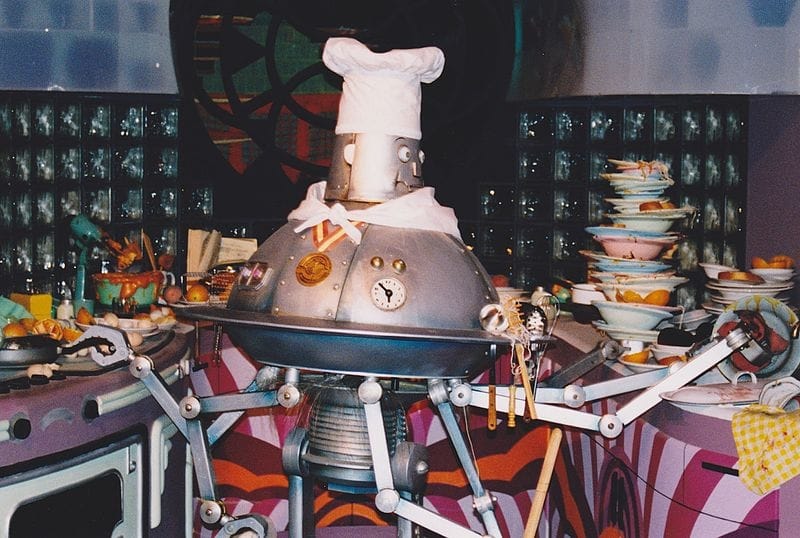
It may sound like we’re pulling this story out of an episode of the Jetson’s, but the future is here and automated mobile restaurants are starting becoming a reality. That got us to thinking, in the absence of employees and ServSafe food managers that have completed food safety courses, how exactly will we know if the food safety standards are being maintained in future automated restaurants?

Food Safety Standards  for Automated Restaurants
Image credit: Corneillia5 via Wikimedia

Food Safety Standards and the Future of Restaurant Automation

While current examples of automated restaurants appear to be types of juice and smoothie bars, it’s not too hard to fathom that technology will eventually provide opportunities for automation to serve more complicated dishes that require storing and cooking raw foods.

While the Minnesota food code doesn’t currently contain a section regarding robot chefs, we’d have to speculate that much more than the cooking process would have to be automated. Sanitation procedures would have to be closely followed, and we feel those procedures should at least be moderated and supervised by a living, breathing human being. Here are just some procedures we feel would have to be monitored by a ServSafe food manager:

  • Hot and Cold Holding Temperatures
  • Sanitation of Cooking Utensils
  • Temperatures of Finished Product
  • Quality of Raw Ingredients

As we all know, machinery can malfunction and even our computers freeze up from time to time. Without human observation, who’s to say that a robotic restaurant hasn’t had some sort of memory failure? If storage temperatures drop for hot-held foods or refrigeration fails, will an automated system have fail-proof safeguards for preventing customers from receiving tainted product?

Another major issue we see with automation is the quality of product. Not all products store for the same duration of time, and there can be product that may be spoiled or damaged that an organic chef can spot that robotic system won’t be programmed to assess.

While the Foodarackacycle may be several decades off, the foodservice industry and ServSafe food managers will have to adjust as automation becomes more and more prevalent.

How do you feel about the concept of maintaining food safety standards for automated restaurants without on-site human monitoring?