New Certified Food Protection Manager Vomit Cleanup Regulations

Certified Food Protection Manager Vomit Cleanup

Vomit and feces cleanup may not be a subject that most people want to talk about, but it’s an important topic for food safety managers to understand. The Minnesota Food Code will soon be changing, and among those changes are new procedures for cleaning up vomit and feces after an incident. We’ll explore Certified Food Protection Manager Vomit Cleanup Guidelines.

Certified Food Protection Manager Vomit Cleanup

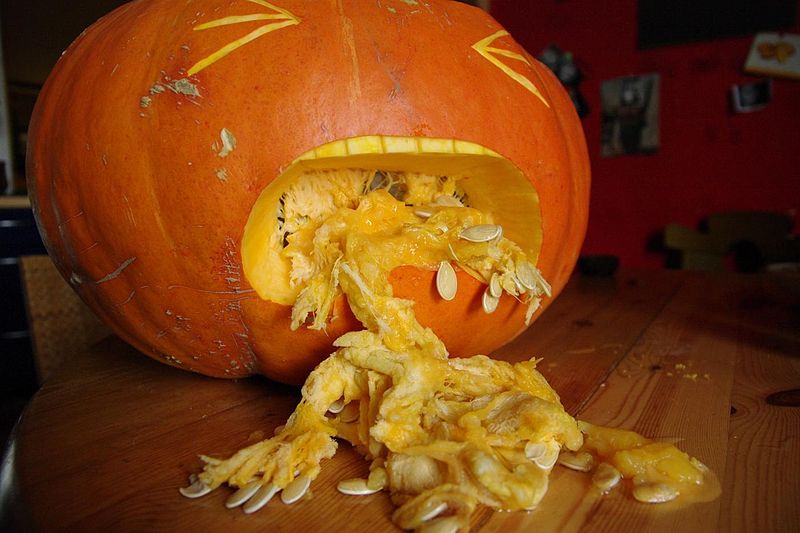
Image credit: C Tennie via Wikimedia Commons

Certified Food Protection Manager Vomit Cleanup Guidelines

Hopefully it’s not a common occurrence, but there may be an incident that requires a food safety manager to monitor or perform the cleanup of vomit or diarrhea in their facility. The new language in the food code states that food safety managers must establish procedures for employees to follow in the event of a vomit or diarrhea incident. These procedures should be well defined and understood by all members of your staff. Your established procedures should look something like this:

  • Act fast
  • Wear gloves
  • Contain the contamination
  • Properly clean and sanitize the affected area
  • Thoroughly wash contaminated plateware and utensils
  • Properly wash your hands after cleaning up

Containing the incident right way stops the spread of particles that could end up in a guest’s food. Allowing vomit or feces to remain where it is for any length of time gives bacteria ample opportunity to multiply and spread to other sections of your facility.

Wearing rubber gloves, preferable elbow length gloves, will prevent any fecal matter or vomit from touching an employee’s skin. Wearing protective gloves, make sure every surface has been cleaned from visible matter, and then sanitize. Just because there are no visible signs of bacteria, it doesn’t mean that all traces have been removed. Liberally sanitize the areas where the incident occurred, and make sure to extend your sanitation range well beyond the location where visible contaminates are located. Invisible bacteria can be ejected quite a distance from the affected area.

Finally, dispose of any soiled items that are not salvageable and wash all linens, plates, cups and any other utensils in the affected area. Be safe and wash everything within a decent radius of the incident. The possibility remains that unseen bacteria has contaminated nearby utensils.

Do you already have a Certified Food Protection Manager Vomit Cleanup procedure posted for employees?

The Certified Food Manager and the Preparation of Large Roasts

The Certified Food Manager and the Preparation of Large Roasts

Roasts and turkeys are common items served on holiday buffets and catered parties. These items bring with them a unique food-borne illness potential, and certified food managers should take steps to ensure that their roasted meat is safe for their guests.

The Certified Food Manager and the Preparation of Large Roasts
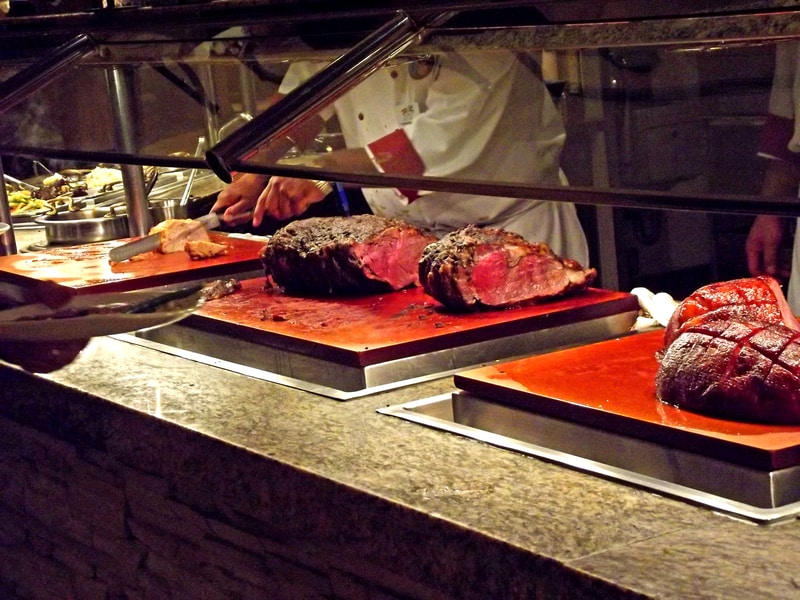
Image credit: commons.wikimedia.org

How Certified Food Managers Can Prevent the Spread of C. perfringens

C. perfringens ranks as one of the most common food-borne illness culprits. This bacterium exists in raw meat and poultry, and it historically causes outbreaks in facilities such as nursing homes and schools and at catered events where large quantities of food consist of roasted meat. To reduce the risk of the spread of illness, it’s important that all poultry is cooked thoroughly and to and internal temperature of 165 degrees, and meat roasts must reach an internal temperature of 145.

Larger portions of meat pose a second hazard when it comes time to cool and refrigerate them. Big chunks of poultry, beef and pork cannot simply be placed in the refrigerator whole. The Minnesota Food Code outlines proper cooling procedures for this type of product.

  • All product must be cooled from 140 degrees to 70 degrees within two hours and to 41 degrees after reaching 70 within four hours
  • Large portions must be sliced or cut into smaller sections
  • Meat should be placed into shallow pans
  • If necessary, an ice bath should be used to bring cooling foods down to 41 degrees as soon as possible

While it’s important to be diligent throughout the rest of the year, the holiday season brings out many guests who may not often frequent your establishment, so proper cooking and cooling procedures are a must. If your outlet serves children, the elderly or other high-risk groups, make sure that your staff is fully trained on these procedures.

We’d like to know what your favorite holiday meals are. Leave your go-to dishes in the comments section below.

New Year’s Online Food Manager Certification Renewal

New Year’s Online Food Manager Certification Renewal

This month, we celebrated a huge milestone and released our 100th food safety blog. While we could rest on our laurels, we are going to renew our dedication to helping keep the food produced in our state as safe as possible. With the ringing in of the New Year, we resolve to continue providing convenient HACCP online training and certification, informative instructor led classes and pertinent information and food safety tips in our blog. This is also a time for food service workers to reflect on the past year, and prepare to continue in their efforts to keep their guests safe. One way to do that is to make sure that all of your certifications are in order.


Online Food Manager Certification Renewal

For ease of record keeping and in order to stay compliant with the Minnesota food code, a copy of all employees’ food safety certifications should be readily accessible. We also recommend sorting your employee food handler’s licenses by date of expiration, so that you know which employees are due to take a renewal course.

The New Year is the perfect time to remind your staff to take care of their food safety training. January tends to be a slower month for the food industry, so finding the time to schedule classes and examinations is easier when business is slow.

We understand that employees are also brought on at many times of the year, so diligence is necessary year round, but we have heard from food industry managers that training employees in groups rather that one at a time over the course of the year makes for a smoother process. If you have several employees that are due for renewal within a reasonable time frame, it is not uncommon to renew a few employees’ certifications well before the expiration date.

Finally, this is also a good time to make sure that your designated food safety manager has their certifications up to date. There are multiple certifications that the state of Minnesota accepts, and depending on which one your company requires, January is a good time to take an online food manager certification course for:

  • • Certified Food Safety Manager (NRFSP)
  • ServSafe
  • Prometric certified Food Manager
  • Learn2Serve Protection Manager

NRFSP and ServSafe are the two most commonly taken training courses, and we can help tailor a course that specifically addresses your needs whether you require full staff training or simply need a refresher course before taking any renewal exam.