Online Food Safety Training Update on Non-Continuous Cooking

Non-Continuous Cooking Steps

Back in November, we covered an interesting addition to the Minnesota Food Code revision; non-continuous cooking- the ability to halt the cooking process and resume at a later time. At the time, we only had some basic information and a rough draft of the new food code, but now that the code is in effect, the Department of Health has released fact sheets and more detailed information about this procedure.

Non-Continuous Cooking Steps
Image credit: 123rf/Teerawut Masawat

Non-Continuous Cooking Procedures

The procedure for non-continuous cooking can be broken down into five steps:

  1. Cook product for 60 minutes or less
  2. Cool food properly within two hours
  3. Store product below 41 degrees
  4. Cook food completely when reheating
  5. Serve immediately, hot-hold or cool properly for later use

This process offers a solution for certified food managers who wish to partially cook raw animal product or other sensitive items and reserve under refrigeration or in the freezer until the time comes to cook and serve. Along with these five steps, the health department requires documentation for this process which must be reviewed and approved by the proper regulatory official, namely your health inspector.

Include the following vital information in your documentation and proposal to be reviewed:

  • The monitoring and implementation process of the five required steps
  • Corrective actions if the five steps are not met properly
  • How partially cooked product will be labeled or identified
  • Steps taken to prevent cross contamination with ready-to-eat foods

We have a few quick notes concerning these new rules. You may wish to review your online food safety training concerning cooling and temperature control and proper cooking temperatures. Remember, all product must reach the correct temperature before serving. The non-continuous cooking method should never be used for product that may be served undercooked at customer request. Undercooking previously partially cooked meats presents an increased food-borne illness risk.

We’ve found local health inspectors are more willing to work with food producers to ensure that these new rules are followed correctly. Feel free to contact your health department if you’re ready to have your proposal reviewed or if you have any questions.

Food Safety Standards for Automated Restaurants

Food Safety Standards for Automated Restaurants

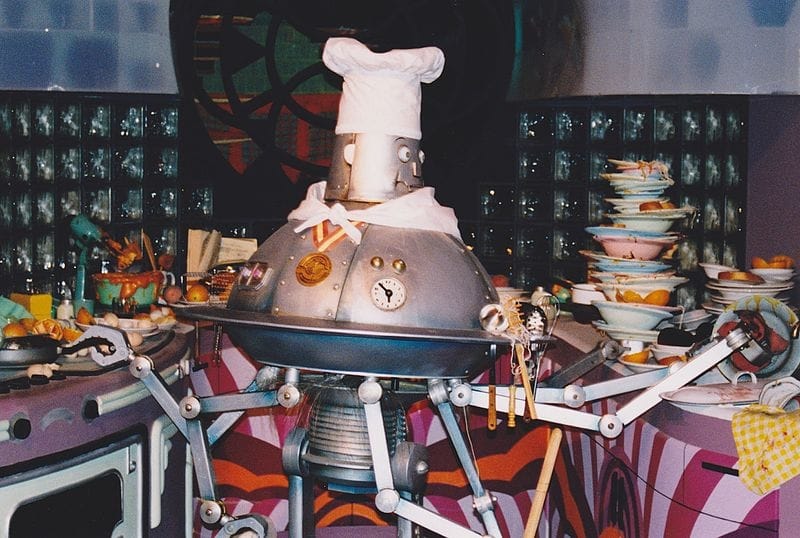
It may sound like we’re pulling this story out of an episode of the Jetson’s, but the future is here and automated mobile restaurants are starting becoming a reality. That got us to thinking, in the absence of employees and ServSafe food managers that have completed food safety courses, how exactly will we know if the food safety standards are being maintained in future automated restaurants?

Food Safety Standards  for Automated Restaurants
Image credit: Corneillia5 via Wikimedia

Food Safety Standards and the Future of Restaurant Automation

While current examples of automated restaurants appear to be types of juice and smoothie bars, it’s not too hard to fathom that technology will eventually provide opportunities for automation to serve more complicated dishes that require storing and cooking raw foods.

While the Minnesota food code doesn’t currently contain a section regarding robot chefs, we’d have to speculate that much more than the cooking process would have to be automated. Sanitation procedures would have to be closely followed, and we feel those procedures should at least be moderated and supervised by a living, breathing human being. Here are just some procedures we feel would have to be monitored by a ServSafe food manager:

  • Hot and Cold Holding Temperatures
  • Sanitation of Cooking Utensils
  • Temperatures of Finished Product
  • Quality of Raw Ingredients

As we all know, machinery can malfunction and even our computers freeze up from time to time. Without human observation, who’s to say that a robotic restaurant hasn’t had some sort of memory failure? If storage temperatures drop for hot-held foods or refrigeration fails, will an automated system have fail-proof safeguards for preventing customers from receiving tainted product?

Another major issue we see with automation is the quality of product. Not all products store for the same duration of time, and there can be product that may be spoiled or damaged that an organic chef can spot that robotic system won’t be programmed to assess.

While the Foodarackacycle may be several decades off, the foodservice industry and ServSafe food managers will have to adjust as automation becomes more and more prevalent.

How do you feel about the concept of maintaining food safety standards for automated restaurants without on-site human monitoring?
Update MN Food Code Effective Date for ServSafe Food Managers

new MN food code effectice date

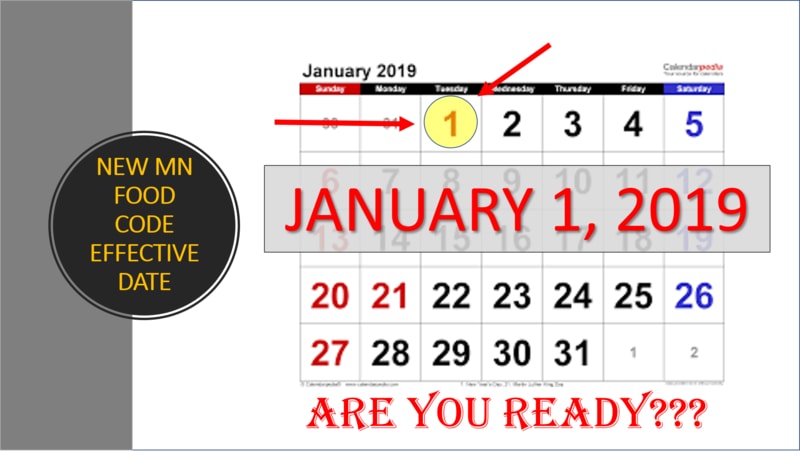
Over the past few months, we’ve previewed some of the coming changes to the MN Food Code, but up until recently, we have yet to have a firm date for when these changes will take effect. According to a September release of the Minnesota State Register, an official publication of the state of Minnesota’s Executive Branch, we finally have a date when the new food code amendments will be enacted.


new MN food code effectice date
MN Food Code Changes Effective Date January 1, 2019 Image credit: Calendarpedia.com

Effective January 1, 2019, the proposed amendments to the MN Food Code replace the code we have been using for many years. According to the introduction of the proposal, the reason for the changes in our 20-year old food code was to “continue a shift toward food sanitation and safety measures critical to preventing foodborne disease.”

There are several other justifications for updating the food code, including shifting away from the specific kinds of materials and equipment can used during production and re-emphasizing hygiene, sanitation and proper temperature control. In short, some of the changes to the code give ServSafe food managers more freedom in the equipment they use while at the same time giving them more responsibility for training, monitoring and correcting sanitation and food preparation methods.

What do these changes mean for Minnesota ServSafe food managers? First, many of the changes in the food code involve the language of the code itself. A few sections, such as the responsibilities of the food manager, have been reworded in a manner that eliminates some confusion. Some of these changes, such as equipment regulations, give you more freedom to run your business without being over restricted.

At Safe Food Training, we’ve been discussing some of the top changes to the code, and will continue to delve deeper in the coming months. Are there any issues you’d like us to look into?

Food Safety Training and Non-Continuous Cooking

Non-Continuous Cooking

In our research into upcoming MN food code changes, we’ve noted a new addition; non-continuous cooking. This means that as long as certain parameters are met, you can halt the cooking process for certain items and finish at a later time. Many risks exist when cooking is halted, so this week we’d like to discuss how to safely prepare food using this method.

Non-Continuous Cooking
Non-continuous Cooking Image Credit: Army.mil

A Non-Continuous Cooking Food Safety Training Guide

We must first point out that in order to prepare raw animal foods using a non-continuous cooking method, you must have a well-documented written procedure and obtain approval from your local health department. You should provide safe food training to your staff on this process and develop written instructions that include the following information:

  • Initial Cooking Time
  • Cooling Method
  • Storing Procedure
  • Reheating Method

If you do not plan on cooking raw animal product all the way to the appropriate temperature, you can only halt the process if the initial cooking time is under 60 minutes. After 60 minutes, you must continue the cooking process until an acceptable internal temperature has been reached.

Once you halt the cooking process, you must bring the internal temperature down to 41-degrees as soon as possible. This will prevent undercooked meat product from resting at temperatures known to speed up the growth of potentially dangerous bacteria. Once cooled, the par-cooked product must remain under proper refrigeration.

Finally, when it comes time to finish the cooking process, remember that your product must be fully cooked to the proper temperature.

It’s important to stress and repeat that if you plan on using this method for any raw animal product, you must have well-documented plan and regulatory approval.

Once this new MN food code rule goes into effect, we’ll monitor enforcement and provide more food safe training on this topic in the future. How do you feel about the allowance for non-continuous cooking?