
Proven Food Safety Manager Training For Your Delivery Service

food safety Manager Training for Your Delivery service

Over the past two years, many restaurant patrons have changed the way they order their meals giving food safety managers the challenge of adapting to foodservice beyond in-person dining. With COVID-19 numbers fluctuating and regional regulations impacting food service, many patrons have taken to delivery services to order from their favorite eating establishment. Delivery provides a whole new set of food safety hazards that don’t exist within the confines of a dining room, so it’s important for every food safety manager to look at how to keep your food safe during the delivery service process.

Proven Food Safety Manager Training For Your Delivery Service
Image credit: belchonock via 123rf

How Food Safety Managers Can Keep Food Safe During Delivery Service

There are very limited regulations in the MN food code regarding what happens to food after it leaves your restaurant for delivery, so food safety managers have to use common sense to create their own procedures to keep food safe during the delivery process.

If you don’t have your own delivery drivers, your restaurant may rely on Postmates, GrubHub and Uber Eats for delivery service. Unfortunately, since these drivers are not members of your staff you’ll have no control over what happens to your meal once the driver leaves your establishment. The good news is, the drivers of these outside services are professionals, and many will take precautions to keep food warm and reduce contamination risks, but you can still take precautions to help keep food safe. When preparing food for delivery, make sure you:

  • Keep food hot until pick up
  • Prepare food as close to pick up time as possible
  • Use appropriate to go containers to prevent spillage

Rather than leaving to-go and delivery orders at the bar or hostess stand, we recommend you keep it in a warmer or under a heat lamp until it’s ready to leave the building. This will reduce the amount of time your food is a risk of falling into danger zone temperatures. It’s also a good idea to have the food prepared as close to the pickup deadline as possible and stored in sealed containers that won’t spill during transport. We all love a warm bowl of soup as a side dish with sandwiches or burgers, but we’ve yet to see a creamy chicken noodle club sandwich at any of our favorite restaurants, so make sure containers are sealed before leaving the restaurant.

Establishments that do employ a delivery driver can have much more control over the safety of your product during delivery. Make sure to stock up on insulated delivery bags in order to ensure freshness upon delivery.

What steps does your food safety manager take to keep your food safe during deliveries?

How To Get A Specialized Process Approved By The MN Health Department

Specialized Process Approved By MN Health Department

During in-person certified food protection manager training, we get the opportunity to discuss food safety issues that are unique to our students’ businesses. On occasion, we have students looking for clarity on specific food preparation methods that may not directly be covered by the Minnesota food code. If there the code lacks guidelines that specifically address a certain cooking process does that mean that there are no rules or that that process is not allowed? The answer isn’t always that simple, so let’s take a look at how certified food protection managers can evaluate and get MN Department of Health approval for specialized processes not directly covered by the food code.

Specialized Process Approved By MN Health Department
Image credit: Malu Zhao via Flickr

Tips For Certified Food Protection Managers Using Specialized Processes Not Covered By MN Department of Health Food Code

When we refer to specialized processes, we’re talking about cooking and curing methods beyond the basics. Some specialized processes we’re asked about include:

  • Fermentation and Canning
  • Curing Meats
  • Reduced Oxygen Packaging
  • Operating a Live Shellfish Tank

All four of these specialized processes and others not outlined by the current Minnesota Department of Health food code require a written hazard analysis and critical control point plan (HAACP) and a variance approved by the health department. Without this variance, your business could fail a health inspection if you do not have an approved HAACP in place.

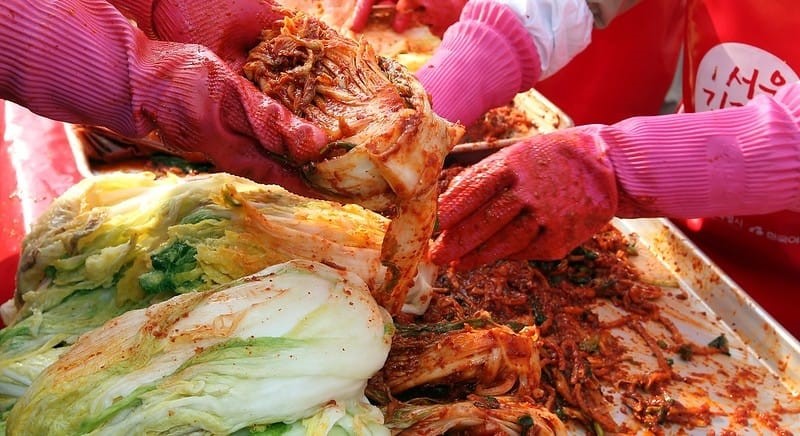
Fermentation and canning require a variance because they involve preservation processes that utilize additives such as vinegar or fermenting product outside of approved temperatures. Some examples include kimchi, jams and pickled items. Curing meats involves adding nitrates and other preservatives to create charcuterie, salami, jerky and other preserved items. These processes are not regulated by the current heath code and would be outlined as violations if not approved by your local health department.

The rules surrounding reduced oxygen cooking and packaging processes such as sous vide, vacuum packaging and other modified oxygen processes are also not clearly outlined and require special guidance from the health department. Some seafood restaurants may choose to keep live shellfish on display in a tank where customers can choose their meals, while it may not seem like a large risk, these types of display aquariums that contain servable product must be also approved.

Obtaining a variance isn’t as difficult as it may seem. Most health inspectors are willing to work with certified food protection managers in order to keep food safe and allow for creativity. Before applying for a variance make sure your consider a written plan that includes:

  • A food safety hazard analysis
  • Critical control points
  • Limits for preventative measures
  • Monitoring procedures
  • Corrective actions during monitoring
  • Effective record keeping protocol
  • Procedures to ensure the HAACP is working

If you have any trouble constructing a HAACP plan, it may be wise to consult with your local health inspector to ensure that your procedures are keeping your specialized processes safe .

Do you use Special preparation procedures not outlined by the Minnesota food code that may need MN Health Department approval?

New Year’s Training Resolutions Every Food Safety Manager Should Make

2022 Resolutions Every Food Safety Manager

2022 is almost upon us, and the time has come to reflect on the past year and set goals for the next one. With that in mind, we feel that 2022 should be the year that every every food safety manager focuses on staff food safety training as part of their New Year’s Resolution. We can join together with other MN certified food protection Managers in an effort to make our food service community the most knowledgeable and safest in the country.

2022 Resolutions Every Food Safety Manager
Image credit: pavelmuravev via 123rf

Simple Resolutions Every Food Safety Manager can Use to Improve Food Safety Training

When it comes to food safety training, January is a great time commit to a focus on training and the best way to start the new year is to start with the basics. Basic food safety training can go by the wayside over time, so make sure you and your staff review:

It may sound like basic common sense in the food industry, but these three things are the most effective tools we have to prevent foodborne illness. Resolve to not let food safety basics fall by the wayside in 2022.

Another very simple way to resolve to improve your staff’s food safety training knowledge base is to take advantage of food code fact sheets. The Minnesota Department of Health has a fact sheet for nearly any food safety rule that applies to your establishment. Print off copies and post them where appropriate for a quick reminder or store them in a readily available notebook for easy reference.

Finally, nothing beats food safety training from an industry expert. Rather than rely on your previous training, resolve to bring in an expert for a custom training session or send additional staff members to gain their certified food protection manager’s certificate. Nothing will prepare your establishment to protect your guests like training from industry leaders.

Do you have any New Year’s resolutions for 2022?

The Latest Food Safety Training On Hair Coverings

The Latest Food Safety Training On Hair Coverings

Kitchens and food production facility managers perform an essential role in monitoring employee health and hygiene. Making sure staff stay home when they’re sick, wash their hands regularly and adhere to all personal health rules are important, but oftentimes the rules behind hair coverings can be lax, overlooked or misunderstood. In order to properly provide food safety training in your establishment concerning hair coverings, we’d like to provide a precise breakdown of the Minnesota food code regulations on the subject.

The Latest Food Safety Training On Hair Coverings
Image credit: nvxier via Pixabay

Proper Food Safety Training for Wearing Hair Coverings in the Kitchen

According to the food code, any employee working in a food production establishment must wear a hair restraint that prevents hair from coming into contact with food product. Allowed hair restraints include:

  • Hair nets
  • Hats
  • Beard and moustache nets
  • Clothing that covers body hair

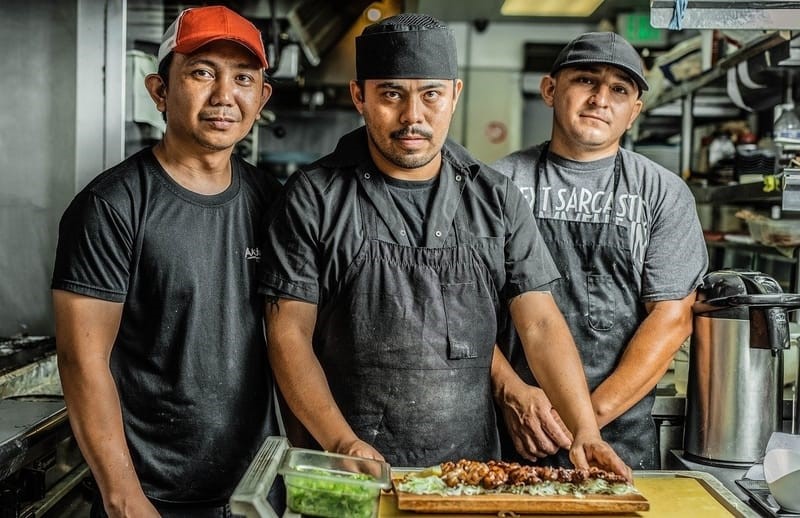
While hair nets are acceptable, hats have become a very popular head covering in the food industry. Paper chef hats, linen baker’s hats and baseball caps are all acceptable types of head coverings to restrain hair. Chef and baker’s caps can add a touch of class or professionalism if members of your kitchen staff can be seen by guests, and baseball caps can be comfortable and embroidered with your business’s logo to give some uniformity to your team. In your establishment’s food safety training, make sure that you note that employees with longer hair should style their hair in a way to be completely restrained by their hair covering. Sometimes simply wearing a hat is not quite enough to prevent hair from touching food product or preparation surfaces.

As you can see by our list, food safety training for hair restraints includes much more than just the top of the head. If you have employees who sport facial hair, they should wear a specially designed hair net that restrains facial hair. You should also ensure that employees wear appropriate clothing to cover body hair. Make sure that there are no open shirts or tank tops worn in the kitchen that could expose body hair.

There are a few situations in which hair coverings are not required. Many service staff are exempt from this rule. Waitstaff, hosts and hostesses, bussers and counter attendants who only serve beverages or prepackaged items do not have to don head coverings.

Finally, we’ve been asked from time to time whether bald kitchen workers require a head covering. For consistancy in your food safety training policy, we recommend that all personnel in the kitchen abide by the head covering rule even those who shave their head.

Does your establishment’s food safety training have a uniform head covering rule in place at your business?