How CFPMs Can Reinforce Approved Use Of Sanitation Solutions

CFPMs can reinforce Approved use of Sanitizing Solutions

Sanitizer solutions are essential in reducing the risk of sickening guests, but when used improperly, they can actually increase foodborne illness hazards. So how can certified food protection managers ensure that the staff is using the sanitation solution properly?

Proper Sanitation Solution Use for Certified Food Protection Managers

There are four things CFPMs should be aware of when it comes to properly using sanitizer solutions:

  • Approved Solutions
  • Strength
  • Effective Time Lapse
  • Cloths Soaked in Solution
CFPMs Can Reinforce Approved Use Of Sanitation Solutions
Image credit: vectorfusionart via 123rf

Your sanitizer solution must be a solution approved by the Minnesota food code. Common approved solutions include bleach, quat sanitizers and iodine. These solutions must be mixed to the appropriate strength, so follow the directions closely and use test strips from your sanitizer supplier to ensure proper strength. If it’s too strong, you risk contaminating food with the chemicals involved, and weak solutions will not properly sanitize your surfaces and equipment. Many restaurant suppliers offer automated dispensers that will mix sanitizers and water at the appropriate strength, just make sure to test from time to time to ensure that your solutions are in acceptable ranges.

Sanitizer solutions don’t remain effective forever, so certified food protection managers should instruct their staff to dispose of old sanitizer at regular intervals. If used often, these solutions may become less effective sooner than indicated on the bottle’s label, so be aware that solutions may need to be rotated frequently.

Finally, be aware that your solutions don’t necessarily completely sanitize cleaning rags. If you have an extremely dirty cloth and continue to use it, you’re not exactly sanitizing anything. In fact, you could be spreading grease and bacteria all over your kitchen no matter how long a dirty rag has sat in your sanitizer solution. The best plan is to keep a damp sanitizer rag available rather than soaking it in sanitizer buckets and use clean cloths after old ones become soiled.

Do you take the time to test your sanitizer solutions from time to time to ensure their effectiveness?

Are Food Charities Actually Required To Employ A Professional CFPM?

CFPM serving Soup at food charity

Over the past few years, there has been an uptick in food charities as the pandemic and other factors have created the need to help those who struggle with hunger and affording proper nutrition. With so many soup kitchen type charities helping fill that need, we’ve been asked if food charities need to have a certified food protection manager – CFPM oversee their operation. There is no cut and dry answer, because there are a lot of variables involved, but if you run a food charity, you may want to consider certified food protection manager training to keep the food you provide safe.

Are Food Charities Actually Required To Employ A Professional CFPM?
Image credit: lucapbl via 123rf

The Benefits of Certified Food Protection Manager Training for Charitable Food Efforts

When talking about certified food protection managers for businesses, most restaurants and food production businesses are required to have one certified food protection manager (CFPM) on staff to ensure that food is prepared in accordance with the Minnesota food code and that all employees are aware of safe food handling procedures. Since charities are not exactly a food businesses, there may be some confusion among volunteer organizations as to whether they should have a member of their volunteer team receive CFPM training.

Whether or not you are required to have a certified food protection manager may be up to your local health department. If you’re simply distributing prepackaged meals or heating ready-to-eat product for instant service, your organization may be considered low-risk and not monitored by the health department. If you are preparing raw products, chilling and reheating items and storing them for later service, you may want to consider certified food protection manager training even if your local health department does not require it. Benefits of CFPM training include:

  • Better Insight into Food Safety
  • Knowledge of How to Store Hot and Cold Foods
  • Confidence that Those You Help Receive Pathogen Free Meals
  • Ability to Oversee Untrained Volunteers

Even if you’re not selling food product, food safety is incredibly important. Knowing how to properly prepare food keeps those you help safe. Most food charity organizations are staffed by volunteers who may have never had any food safety training, so having a CFPM overseer who has been trained will help prevent a lack of knowledge from sickening those you are trying to help.

Do you run a food charity and would like more information on CFPM training in Minnesota?
What To Know If You Are Suddenly Left Without A MN CFPM

MN CFPM Rules

All Minnesota food businesses are required to employ a certified food protection manager (CFPM), but what happens if a restaurant or other food facility loses theirs without warning? Do they have to shut down temporarily until they hire or train a new one? Fortunately, the MN food code isn’t that strict and does give some leeway for replacing a certified food manager who departs suddenly.

MN CFPM
Image credit: maridav via 123rf

The Certified Food Manager Training Window

The good news is that the regulations for hiring or training a new certified protection manager in Minnesota allow for 60 days from the departure of one CFPM to the date they are replaced. Food protection certification is not transferable from one staff member to another, so be proactive in scheduling training or hiring a new CFPM as soon as possible.

If you’re looking to promote from within, there are two training options when it comes to gaining certification, online and in person. If you’ve lost a MN CFPM suddenly, online certified food protection manager classes may be the quickest and most convenient method of gaining certification. Online food certification classes can be taken at any time and contain all the materials necessary to pass the exam. In-person classes do happen rather frequently if you prefer to engage with an industry professional with experience running certified food protection manager courses. With instructor-led courses, you’ll also be able to take the exam on the same day as the training where online course study and food certification exam scheduling may have a gap.

The 60-day grace period doesn’t just apply to losing a CFPM suddenly, new establishment openings and re-openings after a temporary closure also receive this same grace period.

We never like to see sudden management departures, but do you have a plan if your MN CFPM has to depart on short notice?

Powerful New Reference Tools For Assisted Living MN ServSafe Managers

Powerful New Reference Tools For Assisted Living MN ServSafe Managers

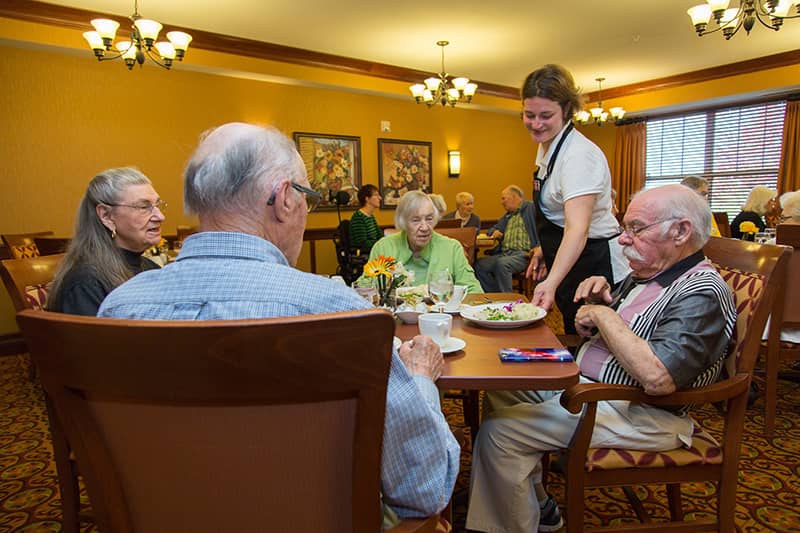
Every food business outlet has its own unique challenges, but due to the susceptibility of the residents in assisted living facilities, ServSafe food managers should be extremely careful with the food they serve. In order to protect the most vulnerable to illness, the Minnesota Department of Health as put together an FAQ for ServSafe Managers of assisted living facilities. Let’s take a look at some of the outlined rules that affect MN ServSafe managers in these facilities.

Powerful New Reference Tools For Assisted Living MN ServSafe Managers
Image credit: Arbor Lakes Senior Living

MN ServSafe Managers’ Guide to Assisted Living Kitchens

The Minnesota food code defines a highly susceptible population as a group that is more likely to contact foodborne illness due immunocompromised conditions or age. Assisted living facilities commonly serve these groups, and some other outlets the Minnesota Department places in this category includes:

  • Custodial Care Facilities
  • Specialized Nutritional Centers
  • Senior Centers
  • Medical Health Care Facilities

In their guide to the application of the food code to assisted living facilities, the Minnesota Department of Health outlines the key factors to serving an elderly or medically compromised population. The reinforce the need for:

  • Oversight of Food Handling Procedures
  • Health and Hygiene
  • Ready-to-Eat Food Safety
  • Time and Temperature Control
  • Cross-Contamination

You may look at this list and say to yourself, “I remember this from MN ServSafe manager training, so why do we need new outlines from the health department?”

The point of these new fact sheets is to emphasize the most important aspects of keeping food safe in assisted living facilities, and these measures give us the best chance of preventing foodborne illness.

Just like other food processing facilities, assisted living centers require a certified food protection manager to oversee food safety and training. The CFPM should also monitor employee hygiene to ensure nobody works sick and that proper handwashing procedures are followed.

It’s also vital to document time and temperature control procedures, especially when cooling prepared food and reheating ready-to-eat foods. Most facilities that serve the sensitive populations usually prepare food in advance in order to serve larger groups all at once. If you prepare your food ahead of time and reheat it for service, make sure you review cooling and temperature control procedures.