The Hidden Risks of Raw Milk: What Minnesota Food Managers Need to Know About the Latest E. Coli Outbreak

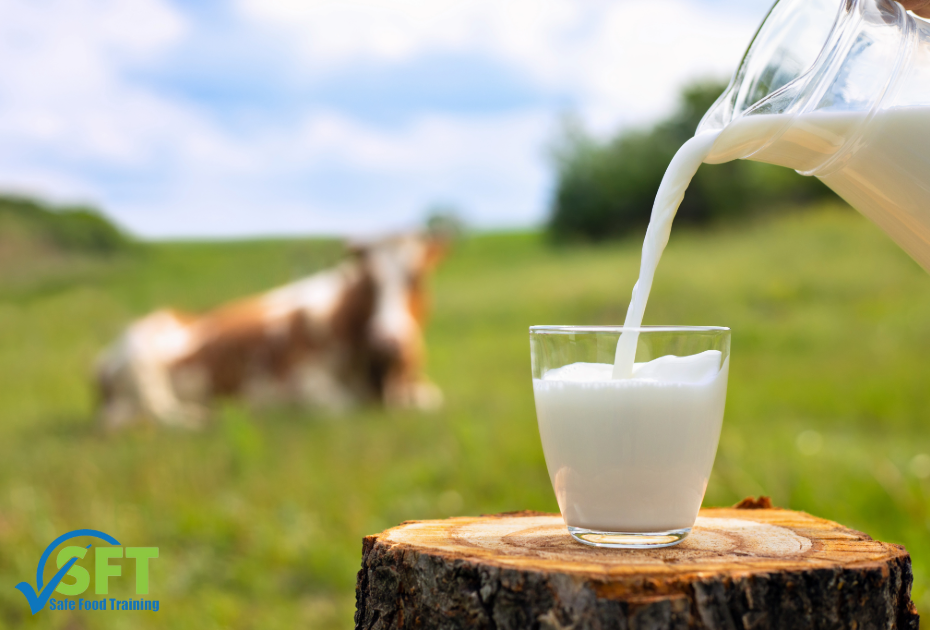
Raw milk

The recent 2026 E. coli O157:H7 outbreak tied to raw cheddar cheese is a serious wake-up call for Minnesota food professionals. To keep your customers safe and your doors open, you need to stick strictly to pasteurized dairy from approved suppliers and keep your Certified Food Protection Manager (CFPM) credentials fully up to date.

Another Outbreak, Another Reminder

If you run a slammed diner in St. Paul or oversee a massive school cafeteria up in Duluth, you already know food safety is way more than just checking boxes for the health inspector. It’s about looking out for the folks we serve every single day.

When the CDC and FDA began investigating the latest multi-state E. coli outbreak linked to raw cheddar, it hit close to home for many of us in the industry. Seeing kids get sick from something preventable is incredibly tough. And honestly, it was frustrating to see the manufacturer initially push back on a voluntary recall even after the source was identified. We obviously can’t dictate what big manufacturers do, but we have absolute say over what gets delivered through our own back doors and put into our walk-ins.

Why Pasteurization Is Your Best Defense

Artisanal trends are popular right now, but unpasteurized milk and cheese simply aren’t worth the gamble. Raw dairy is a well-known hiding place for dangerous pathogens such as Salmonella, Campylobacter, and E. coli.

Think of pasteurization as your kitchen’s built-in safety net. It’s the essential “kill step” that wipes out those bugs before the cheese even gets near your prep tables. Skipping that step puts your customers at immediate risk.

3 Non-Negotiable Rules for Your Next Shift Huddle

Talk through these quick checks with your crew before the dinner rush tonight:

  • Check the Paperwork: If a dairy delivery doesn’t come from a regulated supplier with the right documentation, don’t sign for it.


  • Watch the Thermometer: Keep a close eye on your coolers. Even perfectly pasteurized cheese goes bad if it sits above 41°F.


  • Back Up Your Team: Let your prep cooks and dishwashers know it’s okay to speak up. If a truck drops off a warm delivery, they need to know you have their back when they reject it.

Choosing the Right Path to Certification

Solid training is the best way to ensure your staff understands the “why” behind the rules we enforce. You need your 8-hour CFPM license or your 3-year continuing education credits to stay compliant, but how you get there is your choice. At Safe Food Training, we offer options that actually fit your schedule. 

 Raw Dairy

What We Look At

In-Person CFPM Training

Online CFPM Training

The Environment

Distraction-free classroom where we talk through real kitchen scenarios.

100% flexible. Learn from your couch or the breakroom on your own time.

Passing the Test

Historically high pass rate because we work through the tricky stuff together.

Relies a bit more on your individual study habits and testing skills.

Best Fit For…

Folks who like to ask me direct questions and hate staring at screens.

Busy kitchen managers juggling crazy shift schedules and family time.

Location

Easy-to-reach spots all over Minnesota.

Wherever you have a solid Wi-Fi connection.

Safe Food Training Q&A

Common questions include:

What is the primary service that Safe Food Training offers?

We specialize in providing personalized, 8-hour certified food protection manager licensing courses tailored for food professionals across Minnesota. We also run the dedicated continuing education training you need right alongside our main certification course.

How will I know when it's time to renew my certification?

Nobody has time to memorize renewal dates while running a kitchen. If you’re a Safe Food Training client, we track your three-year cycle for you. We send out timely reminders well before you expire so you can easily stay compliant with Minnesota law without stressing about dates..

I just need continuing education credits. Do I have to take the full 8-hour course?

No, you definitely do not. We offer dedicated continuing education training specifically for professionals who just need to fulfill Minnesota’s renewal requirements. We run these sessions concurrently with our comprehensive certification course, making it super easy to drop in, get your credits, and get back to work.

Strong CFPM Course Advice About Raw Milk Peril

Raw Milk in Minnesota.

In Minnesota, the MN Food Code strictly prohibits the sale or service of unpasteurized (raw) milk in any licensed food establishment. While you can buy raw milk directly from a farm for your own home, serving it in a restaurant or commercial kitchen creates a massive liability because of the high risk of Listeria contamination.

Navigating the Minnesota Food Code: The Raw Milk Debate

When we host a personalized 8-hour Certified Food Protection Manager (CFPM) course for local food service leaders, we often dive into the “gray area” topics that standard training might skip. What does the Minnesota Food Code actually say about serving raw milk?

There’s a lot of noise online about the supposed health benefits of unpasteurized dairy. Some claim that pasteurization “kills” milk’s nutritional value, while others think it’s just better for you. But as a professional food manager running a busy kitchen in St. Paul or a catering operation in Duluth, your priority isn’t the latest health trend—it’s regulatory compliance and customer safety.

What Your CFPM Course Teaches About Raw Milk

Our mission at Safe Food Training is to help your business meet Minnesota’s essential food safety standards without all the fluff. According to the Minnesota Department of Agriculture and the Minnesota Food Code (specifically Section 32D12), the law is very specific: milk and milk products must be pasteurized if they’re offered for human consumption in a retail food establishment.

If a customer wants raw milk, they’ve got to go directly to the source—the farmer. As a licensed food entity, you can’t act as a middleman.

The Risk Factor: Listeria Monocytogenes

The main reason food safety experts and the FDA advise against raw dairy is the high risk of Listeria monocytogenes, a bacterium that causes the foodborne illness listeriosis. In our Minnesota food safety certification courses, we talk about how Listeria is a “hardy” bacterium. Unlike many other pathogens, it doesn’t mind the cold; it can actually grow at refrigeration temperatures.

Why Listeria is a Top Concern for CFPMs:

  • Resilience: It survives in drains, on equipment, and in cold storage.
  • Severity: It has a much higher hospitalization rate than other common foodborne illnesses.
  • Symptoms: Persistent high fever, muscle aches, vomiting, and diarrhea.
  • Vulnerability: It poses life-threatening complications for those with compromised immune systems, the elderly, and pregnant women.

Scientific evidence from the FDA doesn’t support the claim that raw milk is a “superfood” that’s worth these risks. When you’re responsible for the health of hundreds of guests a day, a foodborne illness outbreak isn’t just a PR nightmare—it’s a danger to your community.

The "Choice" Narrative: How to Get Certified

Deciding how to get your team certified is just as important as the safety protocols you follow. Whether you like the energy of a distraction-free classroom or the convenience of your home office, we’ve got you covered.
Pass/fail.

In-Person vs. Online Training

Feature

In-Person CFPM Training

Online CFPM Training

Environment

Distraction-free, focused learning

Flexible, self-paced

Interaction

Real-time Q&A with Jeff Webster

Digital modules

Pass Rate

Very high due to hands-on prep

Depends on your study habits

Best For

New managers & those needing a refresh

Tech-savvy, busy schedules

Personal Choice vs. Professional Liability

 Raw milk.
Do you know the rules about raw milk in restaurants?

As an individual, you’ve got the right to choose what you put into your body. But once you step behind the line of a commercial kitchen, you’re the Certified Food Protection Manager. You’re the gatekeeper. Both Minnesota law and the FDA agree: raw milk poses too great a threat to be served to the public.


Many other food safety risks fly under the radar, and a standard CFPM MN course can’t cover every niche topic. If you’ve got questions about specific ingredients or local ordinances, just ask—we’re here to help.

Frequently Asked Questions (MN Food Safety)

Common questions include:

Q: What is the primary service that Safe Food Training offers?

A: We specialize in providing personalized, 8-hour certified food protection manager licensing courses tailored for food professionals across Minnesota. We also offer dedicated continuing education training at the same time.

Q: How often must I complete continuing education to maintain my food safety certification in Minnesota?

A: In Minnesota, you’ve got to complete approved continuing education every three years to maintain your Certified Food Protection Manager (CFPM) status.

Q: Does the 8-hour course include the exam?

A: Yes. Our comprehensive 8-hour course includes the certification exam, so you leave the session with everything you need to stay compliant.

Q: Can I schedule a private session for my restaurant staff?

A: Definitely. We focus on creating a convenient learning experience that fits your needs. We can focus on the specific food safety challenges of your operation—whether you’re in a school cafeteria, a large restaurant, or a catering business.

Need to renew your credentials or train a new manager?

Register for an upcoming Minnesota Food Safety Course today!

Food Safety and the Sizable Dangers of Raw Dairy Products

Food Safety and the Sizable Dangers of Raw Dairy Products

Over the past few years, states such as Iowa, Georgia, Missouri and others have begun crafting legislation to expand the commercial sale of raw milk and raw dairy products. While Minnesota currently only allows the sale of unpasteurized milk to customers who bring their own containers directly to farmers, it’s worth discussing the food safety hazards of using raw dairy products in food preparation should our state consider expanding the availability of raw milk as several other states have done based on consumer demand.

Food Safety and the Sizable Dangers of Raw Dairy Products
Image credit: pxhere photo-1622031

Raw Dairy Products and Food Safety

To be absolutely clear, any milk served in restaurants or used in meal preparation must be pasteurized and obtained from a trusted source. Raw dairy products straight from the farmer do not meet these food safety criteria. The health department does not allow for a variance on raw milk even with a critical control point plan.

Proponents of raw dairy claim that the probiotics and other naturally occurring antimicrobial elements allow for the safe consumption of fresh, raw milk. While raw milk may contain these compounds, it also brings high-risk hazards that cause food safety management issues. Raw milk can contain:

  • Bacteria
  • Salmonella
  • E.coli
  • Listeria

This is just a partial list of pathogens that have been found in unpasteurized milk. Outbreaks from raw milk have caused intestinal illness, miscarriages and even death.

Once processed into cheese, yogurt or other raw dairy product, the danger of foodborne illness is still a threat, so the best course is to avoid unpasteurized milk products altogether.

Have you ever considered the hazards of raw dairy products?