

How Strict New Romaine Growing Standards Help CFPMs

Over the course of the past several years, we’ve seen numerous recalls on romaine lettuce and other leafy greens due to foodborne illness outbreaks. These recalls have caused headaches for Certified Food Protection Managers (CFPMs) as they’ve had to pull popular items like Caesar salads off of menus and scramble for replacement greens with every recall. The good news for CFPMs, the romaine lettuce growing industry is adapting and large growing regions in California and Arizona are adopting stricter regulations to prevent contaminated greens from being shipped to restaurants and grocery stores around the country.

Strict New Romaine Growing Standards Help CFPMs
Image credits: PxHere

CFPMs Benefit FromTougher Romaine Growing Standards

CFPMs should be able to rely on the quality of produce they receive in order to keep their customers safe. When they receive romaine or other greens that are tainted with E.coli, salmonella, listeria or other bacteria, there is often little they can do to prevent this contamination from spreading to their guests. In many cases, even rinsed and cleaned lettuce still contains traces of contaminates that are only killed at high temperatures.

The instability of the safety of the greens for major growing regions has forced CFPMs to reconsider where they source their produce. Some source it from outside California and Arizona, and others rely on indoor hydroponic farms to ensure the safety of their fresh greens. This has put pressure on major growers to adopt new standards to keep their greens safe. Some new rules going into effect in Arizona and California growing regions include:

  • Stringent treatment of water sources to remove pathogens
  • Enhanced water testing methods
  • Rewritten protocols to prevent groundwater from contacting edible parts of plants
  • Updated regulations for equipment storage and sanitation
  • Outlined practices to prevent the edible portion of greens from contacting soil during harvest

As you can see, the studies that have linked contaminated water and pathogens in Romaine lettuce have led to changes in the testing and treatment of water. Growers are also recognizing the connection between soil contact and contamination and taking steps to prevent contamination through contact with the ground, tools that have touched the soil and other possible contacts that could contaminate lettuce during harvesting.

While there’s very little CFPMs can do with some contaminates, it’s important to be aware of changes in the lettuce growing industry that could make volatile ingredients such as leafy greens safer to consumers.

Do you feel large growers are doing enough to keep the greens they ship safe for consumption?
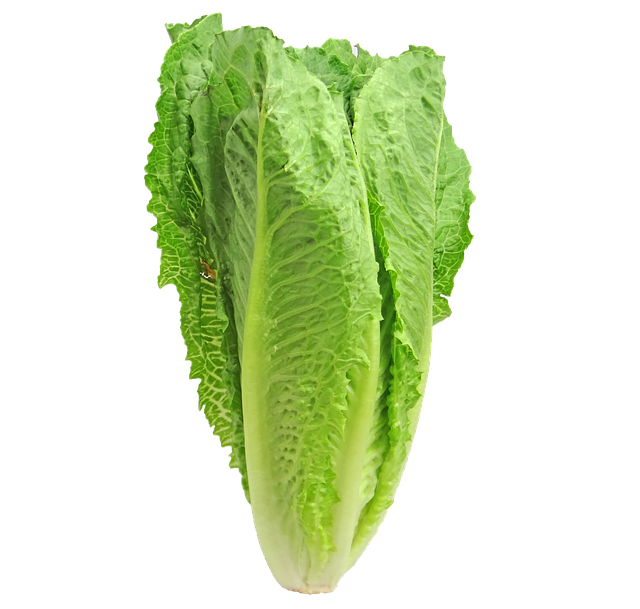
The Food Safety Problem with Romaine Lettuce

Food Safety Problem with Romaine

November has come and gone, and with it another major food safety problem with Romaine lettuce causing an illness hazard and sickening your guests. This week, we’d like to look at some of the potential causes of these outbreaks, and how good food safety training helps prevent sickening your guests with contaminated lettuce.

Food Safety Problem with Romaine
Image Credit: BlackRiv via Pixabay

Hints On How To Prevent A Food Safety Problem with Romaine Lettuce

Like most vegetables, romaine lettuce grows in the dirt, and as we all know, dirt is dirty. Soil contains all sorts of bacteria and contaminates, it is home is insects and snails, and it can be further contaminated by fertilizers and other outside sources. Even the water that farmers use to water their crops can be contaminated with bacteria that can be harmful to people who consume the final product.

Some farms that grow our produce also house livestock. It’s not out of the realm of possibility that manure can spread from one section of the farm to another on a worker’s boots or the tread of a tractor tire. As you can imagine, there are infinite possibilities as to how romaine lettuce becomes a health hazard, but what can we do about it?

Unfortunately, keeping the food from becoming contaminated on the farm is outside of the scope of what we do as a food safety training provider, however, we can help you take steps to keep lettuce in your restaurant clean and free from contaminates. Here are a few steps you should take:

  • Inspect lettuce upon delivery
  • Wash lettuce thoroughly
  • Be alert for recalls
  • Dispose of potentially contaminated romaine lettuce

A close inspection of your lettuce will reveal how much soil has been shipped with your product or if bugs and snails have tagged along for the ride. If you feel that your lettuce isn’t up to food safety standards, don’t be afraid to reject the shipment.

It’s not just a food safety problem with Romaine, all fresh produce should be washed thoroughly before serving, but lettuces such as romaine need extra attention. There’s a reason that you hear about more food poising cases from lettuce than potatoes. Potatoes and many other fruits and vegetables have one continuous outside surface, so a quick wash gets rid of more bacteria than a quick wash of a head of lettuce. We suggest washing your lettuce after taking the leaves off of the head in order to rinse areas that won’t be cleaned if the head is washed whole.

Finally, be aware of recalls and dispose of compromised lettuce. Taking a hit on food cost is a much better option that sickening your guests.

Did your business suffer from that latest recall of romaine lettuce?