Serving All Guests: A Certified Minnesota Food Manager’s Guide to Service Animal Rules

Service animal or emotional support animal, which is okay in your establishment?
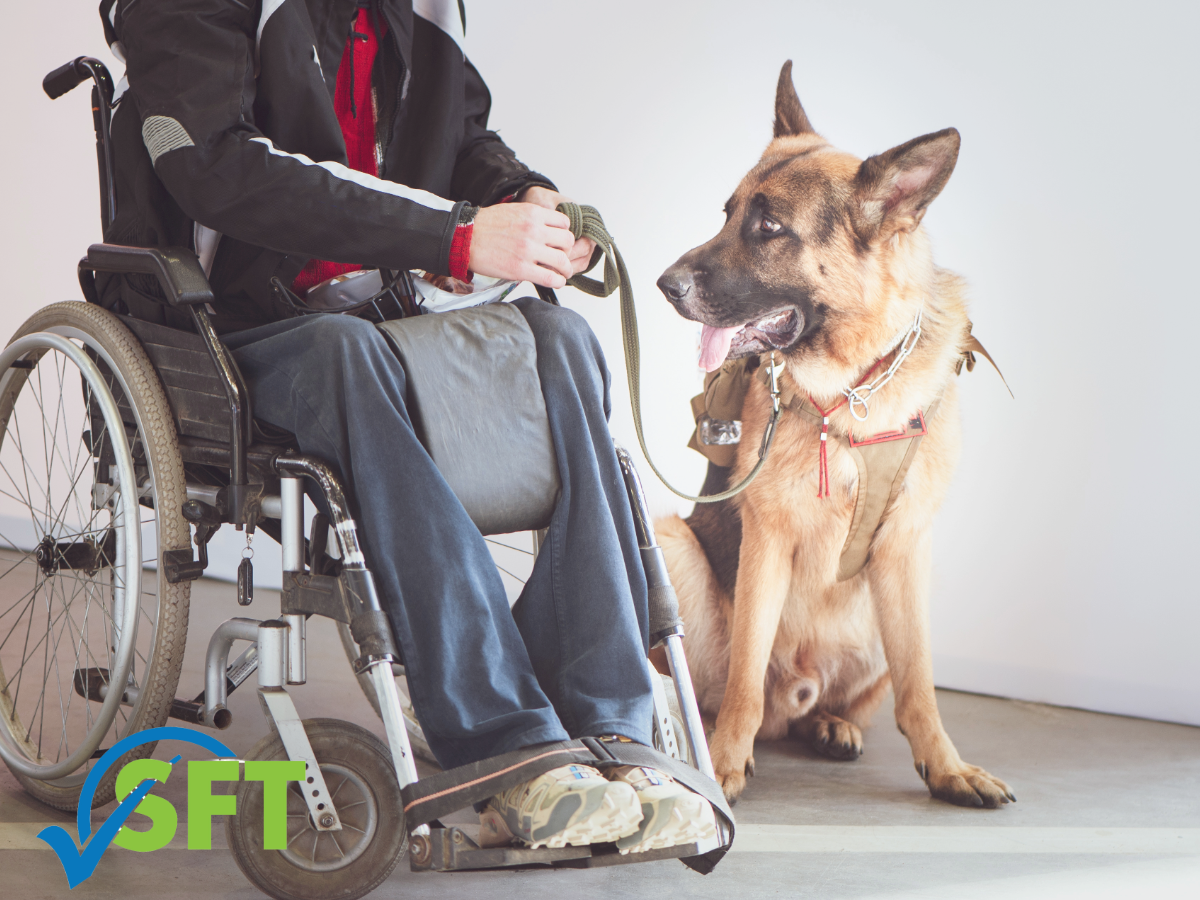
Service animal rules for Minnesota food managers-Picture of service animal, dog, with a man in a wheel chair. Feet only to the chest, no head showing.
Learn the service animal rules for Minnesota food managers.

With the Labor Day weekend approaching, restaurants across Minnesota are preparing for a welcome surge of customers looking to enjoy the last days of summer. As a certified Minnesota food manager, finding the right balance to ensure a smooth and positive experience for every guest is a top priority. One situation that can cause confusion for even the most seasoned staff is navigating the rules around animals in the dining room. Understanding the clear legal distinctions between service animals and other animals is not just excellent customer service—it’s a critical part of your compliance and hospitality strategy.

Knowing the correct way to welcome a guest with a service animal while confidently upholding your establishment’s policies is key. This guide will clarify the official service animal rules so you and your team can handle any situation with professionalism and respect.
Supporting All Guests: A Commitment to Hospitality

Before diving into specific rules, it’s important to frame this issue as one of hospitality and inclusion. According to the CDC, one in four adults in the United States lives with a disability. This means a significant portion of your customer base may rely on a service animal to navigate the world. For these individuals, dining out isn’t just a meal; it’s an exercise in trusting that establishments will be accessible and welcoming. By training your team to handle these situations correctly, you are not just following the law—you are showing a large and loyal segment of your community that they are valued and respected.

The Law Is Clear: Service Animals Are Welcome

Service animal rules
Learn the service animal rules to stay compliant with federal and state laws!

Under the Americans with Disabilities Act (ADA), a service animal is not a pet. Businesses serving the public must allow service animals, working animals considered medical equipment, to accompany their handlers in all areas open to customers. For a restaurant, this means the main dining room, waiting areas, and restrooms.

Understanding the legal definition of a service animal and permissible questions is crucial.

    • What is a service animal? The ADA defines a service animal as a dog that has been individually trained to do work or perform specific tasks for a person with a disability. In some cases, a miniature horse may also qualify. The animal’s task must directly relate to the person’s disability.


    • What can you ask? When it is not obvious what service an animal provides, you may only ask two questions:
        • “Is the dog a service animal required because of a disability?”
        •  “What work or task has the dog been trained to perform?”
  •  

What can you NOT ask? You cannot ask about the person’s disability, require them to show medical documentation, or demand a special ID card or training certificate for the animal. You also cannot charge a fee for the service animal.

Service Animals vs. Emotional Support Animals: A Crucial Distinction

Sometimes miniature horses can serve as legal service animals.

This is where most confusion arises. While often grouped together, emotional support animals do not have the same legal protections as service animals under the ADA. You and your staff must understand the difference.

  • Emotional Support Animals Are Not Service Animals: No one individually trains an emotional support, therapy, comfort, or companion animal to perform a specific job or task. Its presence provides a benefit, but it does not have the legal standing of a service animal. Therefore, the ADA does not grant them access to public places, such as restaurants.
  • Your Policy Matters: You may legally prohibit emotional support animals from your dining room. This holds true even if you have a pet-friendly patio. You can enforce a “no pets” policy for animals that do not meet the ADA’s definition of a service animal.

Clear Communication is Key: Having a clear, consistent policy and training your staff to communicate it politely is crucial. A customer may not be aware of the difference, and a respectful explanation can help prevent a difficult situation from escalating.

Maintaining a Safe and Welcoming Environment for Everyone

Service animal rules
What are the service animal rules for dining in Minnesota?

Accommodating a service animal does not mean sacrificing the safety and comfort of your other guests. The ADA outlines reasonable behavioral standards for service animals, and the handler is responsible for meeting them.

  • The Handler Must Be in Control: The service animal must be under the handler’s control at all times. This usually means being on a harness, leash, or tether. The animal should be well-behaved, not barking excessively or creating a disturbance.
  • When You Can Ask an Animal to Leave: You can legally ask for a service animal to be removed from the premises if it is out of control and the handler does not take effective action to control it, or if the animal is not housebroken.
  • Serve the Handler, Not the Animal: If you justifiably remove a service animal, you must still serve the person with the disability. The goal is to address the animal’s behavior, not to refuse service to the individual.

Navigating the rules for service animals is a vital part of being a certified food manager in Minnesota. By understanding the law, training your team on the two key questions, and knowing the difference between service animals and emotional support animals, you can ensure a safe, legal, and welcoming environment for all your guests this Labor Day and beyond.

Don’t wait for a challenging situation to test your team’s knowledge. Whether you are pursuing an initial certification or need to fulfill your three-year continuing education requirements, Safe Food Training offers personalized, instructor-led options in Minnesota to ensure you and your team are prepared. 

Protect your customers and your reputation by registering for a course today.

Service Animals in Restaurants: Vital Rules You Must Know Now

service animals in restaurants

As a Certified Food Protection Manager in Minnesota, you know that balancing public health regulations with excellent customer service is a daily priority. A key part of this is understanding how to accommodate service animals properly in restaurants. This isn’t just about following the law; it’s about creating an inclusive and welcoming environment for all guests, including the half a million American adults with disabilities who rely on service animals to navigate their daily lives.

Understanding the Legal Definition of a Service Animal

service animals in restaurants
Learn the rules for service animals in restaurants!

The foundation of proper handling is knowing exactly what constitutes a service animal under the law. The Americans with Disabilities Act (ADA) has a specific definition that distinguishes these animals from pets or emotional support animals. Getting this distinction right is the first step in confident and compliant service.

  • What a Service Animal Is: Under the ADA, a service animal is a dog that has been individually trained to do work or perform specific tasks for a person with a disability. The service animal’s tasks must directly relate to the person’s disability.

  • Emotional Support Animals Are Different: It’s crucial to understand that emotional support, therapy, comfort, or companion animals are not considered service animals under the ADA. These animals have not been trained to perform a specific job or task and, therefore, are not granted the same legal access to public places like restaurants.

  • The Two Questions You Can Ask: Your staff is legally permitted to ask only two questions when the need for a service animal is not obvious: (1) “Is the dog a service animal required because of a disability?” and (2) “What work or task has the dog been trained to perform?” You cannot ask about the person’s disability or demand any documentation.

Your Legal Obligations for Service Animals in Restaurants

Once a service animal is identified, your obligations are clear. The ADA mandates that service animals in restaurants be allowed to go wherever customers are generally allowed. This federal law supersedes any local health codes that might otherwise prohibit animals in a dining establishment.

  • No Extra Charges or Segregation: You cannot charge a customer a fee for bringing a service animal, nor can you require them to sit in a specific section of your restaurant. They must be treated like any other guest.

  • When You Can Ask an Animal to Leave: Your right to remove a service animal is very limited. You may only request that an animal be removed if it is out of control and poses a threat to others. This includes excessive barking or jumping on other people. Additionally, if the handler does not take effective action to control it, or if the animal is not housebroken.

  • Allergies and Fear Are Not Grounds for Removal: A common concern is the reaction of other patrons. However, allergies or a fear of dogs are not valid reasons for denying access or refusing service to a person with a service animal. Staff should manage these situations by relocating the concerned patron to a different area, if possible.

Best Practices for Staff Training and Patron Communication

Are service animals in restaurants okay?

Proactive training is the most effective tool for ensuring smooth interactions and avoiding legal missteps with service animals in restaurants. When your team is confident in the rules, they can handle any situation with professionalism and grace, protecting both the customer’s rights and your business’s reputation.

  • Train for Real-World Scenarios: Your training should go beyond the basics. Role-play scenarios with your staff on how to ask the two permissible questions, how to politely explain the policy to other guests who may complain, and how to address a situation where a service animal is being disruptive.

  • Keep Food Safety in Mind: While service animals are allowed in dining areas, they can be legally excluded from food preparation areas, such as the kitchen. Ensure your staff understands this distinction to maintain compliance with health codes.

  • Educate All Customers: Consider placing a small, professionally worded sign near your entrance that states your compliance with ADA regulations regarding service animals. This can help educate all patrons and prevent misunderstandings before they arise.

Navigating the rules for service animals in restaurants is a critical skill for every Certified Food Protection Manager. Proper training ensures you can serve all members of your community safely and legally.

Ensure you and your team are fully prepared to meet all of Minnesota’s food safety and public health standards

Enroll in our personalized, instructor-led Certified Food Protection Manager course with Safe Food Handling in Minnesota today.