
The Minnesota Food Managers and Sourcing Wild Mushrooms

Minnesota Food Managers and Sourcing Wild Mushrooms

The Minnesota Food Code is changing, and it’s not only going to affect the day-to-day duties of Minnesota food managers, but also change how they source and serve certain ingredients. One ingredient that is specifically targeted by upcoming regulation changes are wild mushrooms.
Minnesota Food Manager and Sourcing Wild Mushrooms
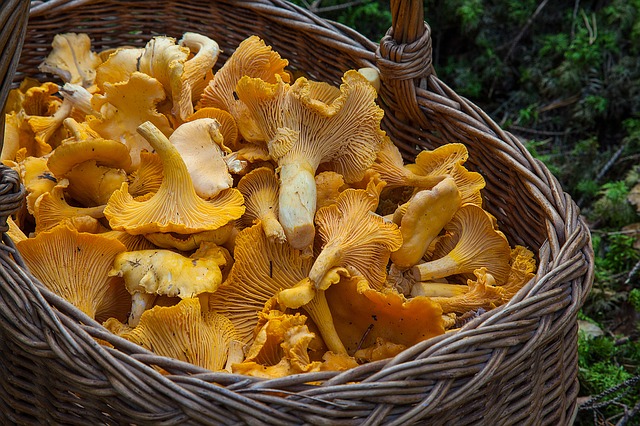
Image credit: maxpixel.net-CC0 Public Domain

Wild Mushrooms and Minnesota Food Managers

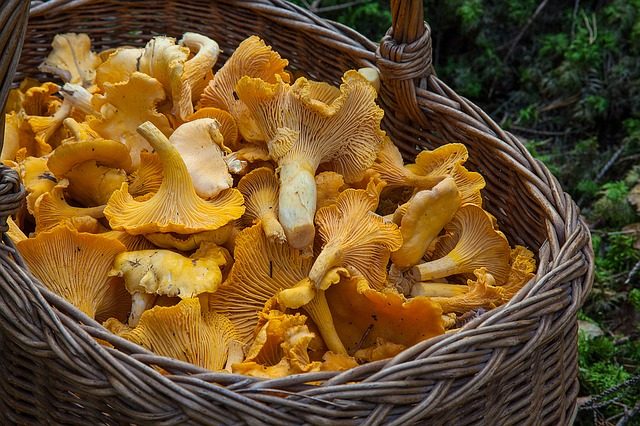
Before we begin our discussion, it’s important to understand the difference between wild mushrooms and other mushrooms. Most food managers source their mushrooms from major food service suppliers. These mushrooms are cultivated in facilities that fall under the jurisdiction of the appropriate local food regulatory agency. Some of these mushrooms can be the same species as those harvested in the wild, but are produced by food processing facilities. True wild mushrooms, however, come from the great outdoors and must be individually inspected by a verified expert in the field of mushroom identification.

Under proposed rule changes, food managers must keep a closer eye on where their mushrooms are coming from. Once these regulations go into effect, mushrooms must come from “registered harvesters or inspected food processing plants.” These new restrictions add an extra layer of food-safety by requiring licensed harvesters to take added responsibility for their product.

If your menu includes ingredients sourced from wild mushroom harvesters, make sure that your supplier is properly registered. This may help ensure that your product is safe and provide the health department more information in the event of food-borne illness as a result of tainted mushrooms.

Also included in this proposal is the requirement that facilities serving wild harvested mushrooms place a notice on their menus that mushrooms served were harvested at a site that has not been inspected. While your harvester may be fully registered, this notice is required to make consumers aware that their food has not passed the official inspections required for mushrooms produced in other facilities.

Do you serve wild mushrooms in your restaurant? If so, how do you feel about these new rule changes?

Food Code Questions After Online Food Safety Certification

Wizard of Oz Answers to Food Code Questions after Online Food Safety Certification

Our online food safety certification courses cover everything that students must know in order to obtain their food manager certificates, but who do they turn to when something comes up that they either do not recall or they find themselves in a situation that was not covered in the course? While we attempt to make sure that you leave our training with everything that you need to know, there can always be gaps in even the most well prepared training courses.

Wizard of Oz Answers to Food Code Questions after Online Food Safety Certification
Image credit: The Wizard of Oz (1939) | by twm1340 via Flickr

Answers to Food Code Questions after Online Food Safety Certification

Fortunately, we live in the digital age where information is readily available from our PCs, smartphones and iPads, but if we have learned anything about the World Wide Web, it is that many resources lead you in the wrong direction. A popular quote attributed to Abraham Lincoln says it all; “Not everything that you read on the internet is true.” Where do you find reliable sources when you have food safety questions that you need answered right away?
We have compiled a short list of official websites that will give you a good start into your research:

In our opinion, these three sites are invaluable resources for those looking for information not contained in online food safety certification courses. We recommend starting with The Minnesota Food Code. This is the official website for the Minnesota Department of Health and contains links to both the complete food code and food, beverage and hospitality regulations. Some cities and counties have passed rules that are stricter than the food code that governs the state, so when in doubt give your local health department a call for clarification. They will be able to give you a definitive answer on nearly any topic.

We also feel like taking an instructor led food safety certification course grants the opportunity for students to ask more questions and engage in topics that are not covered in online resources. If you and your staff are inquisitive by nature, we recommend you consider taking one of our food safety classes where you have the opportunity to learn from an educated instructor.

We like to do whatever we can to make food safety certification obtainable. If you have any special requirements, just contact us and we will be happy to help.