food safety managers plastic reduction

Certified Food Safety Managers and Plastic Reduction

Over the past few years, some jurisdictions have sought to reduce the amount of plastic used in the foodservice industry, and while some businesses have been hesitant to make the change, many have embraced it. Eliminating plastic appeals to a wide selection of environmentally conscious consumers and can also potentially reduce the amount of waste your business produces. This week, we’ll cover a few plastic reduction alternatives certified food safety managers can utilize in their establishments.

food safety managers plastic reduction
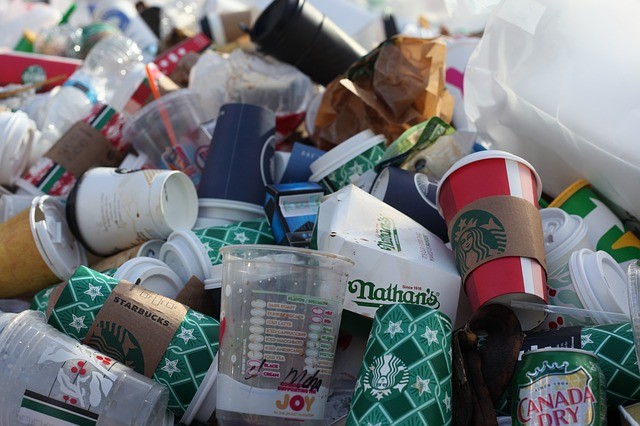
Image credit: maxpixel.net -Coffeetogo

Plastic Reduction Alternatives for Certified Food Safety Managers

If you were to take a quick tour of any restaurant, you’d find a number of plastic items. To-go boxes, bags, straws, utensils and take-out serving dishes are all commonly made from plastic. Whether you’re voluntarily reducing your plastic usage or your local jurisdiction has passed codes and laws preventing plastic use, your certified food manager will have to find alternatives for these types of items. Here are a few solutions that you can employ to replace plastic necessities in your facility:

  • Paper and compostable boxes and bags
  • Reusable takeout containers
  • Biodegradable utensils and straws

In the past, plastic bags and Styrofoam to-go containers have been go-to packaging for guests looking for take-out or a way to bring leftovers home. With current trends, many different manufacturers have started producing paper bags and compostable boxes that are either easily recyclable or will break down over time rather than take up space in a landfill. These items may cost a little bit extra, but as more companies produce these products costs should begin to decline.

With the latest update to the Minnesota Food Code, the rules concerning reusable containers have been updated and more clearly outlined. Reusable containers not only reduce plastic waste, they give you the opportunity to sell or provide your guests with reusable take-out containers with your logo and branding on them. This can not only help to conform to local plastic reduction codes but provide a valuable marketing tool for certified food managers to draw repeat business from loyal guests.

Straws and utensils such as forks, spoons and knives present unique challenges since many consumers prefer a sturdy utensil that won’t break during use. The good news is that many companies are now producing durable wood alternatives and great advances have been made to produce robust biodegradable utensils that can easily replace plastic.

Are you making an effort to reduce plastic waste in your facility?
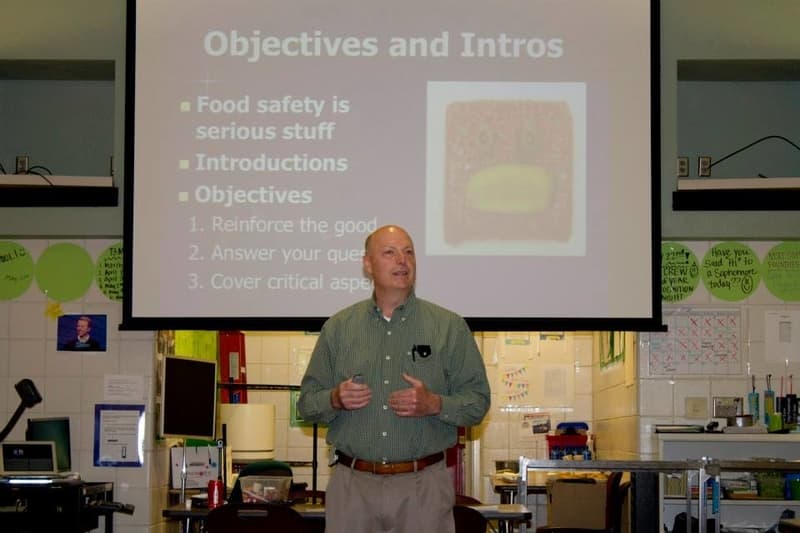
Becoming Certified Food Protection Manager

Steps to Becoming a Certified Food Protection Manager

According to the Minnesota Food Code, all facilities that prepare food for the public must employ a certified food protection manager (CFPM). The role of any CFPM in Minnesota is to ensure that all food is being stored, prepared and served in a safe manner. They are required to train staff, inspect their facility for safety hazards and correct procedures as necessary to keep food safe. How does one become a certified food protection manager? This week, we’ll clearly outline all the steps for becoming a Certified Food Protection Manager in Minnesota.

Becoming Minnesota Certified Food Protection Manager Registration

The first step to becoming a CFPM in Minnesota is taking a qualifying food safety course and passing the exam. There are a few ways this can be done:

  • Instructor-led training
  • Online courses
  • Group training at your facility
  • Customized classes

There are benefits to each of these options, and there’s enough flexibility to choose which course works best for you and your business. Instructor-led training offers the opportunity to delve deeper into food safety topics and ask questions, while online food safety certification courses can be taken at your leisure. If the standard training at an offsite location isn’t convenient, and you’d prefer a real-life food safety expert over an online course, Safe Food Training can come to you and offer group training or customized training that fits your specific needs.

So you’ve passed your food safety training course exam. Congratulations! Does that mean you’re ready to go and officially a Minnesota CFPM? Not quite yet. Just passing the exam doesn’t officially make you a certified food protection manager in Minnesota. There’s one more step, and fortunately it’s an easy one. After passing your food safety certification exam, you must fill out an application in order to register with the state.

To find information concerning current fees and the appropriate mailing address to submit an application, the Minnesota Department of Health CFPM website will have the most up-to-date information.

Do you need assistance with training options? At Safe Food Training, we can provide the perfect food safety training course for your needs.

New Study Into E.coli Contaminated Romaine

Food Safety Training and Further Study Into E.coli Contaminated Romaine

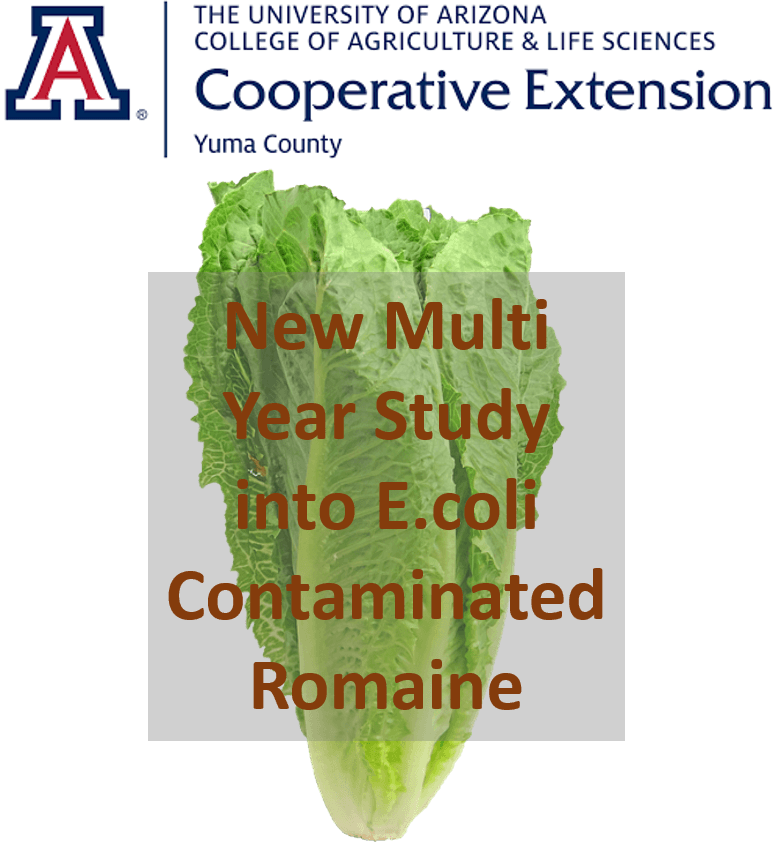
E.coli outbreaks linked to romaine from Arizona made headlines on multiple occasions over the past two years. The link between E.coli and romaine has been the most talked-about story in the food safety training community, and the causes of the outbreaks still continue to be investigated. Now, academia has gotten involved as researchers from the University of Arizona have partnered with the FDA on a multi-year study of E.coli contaminated romaine from one of the growing regions linked to past outbreaks.

New Study Into E.coli Contaminated Romaine

Goals of an Extended Study of E.coli Contaminated Romaine Growing Regions

Due to the massive scale of the previous outbreak, food safety officials and growers alike are eager to get to the bottom of why outbreaks happen and how to prevent them in the future. The extension scientists from the University of Arizona have a few goals in mind with this extended study.

  • Assess potential sources of contamination
  • Examine the prevalence of contaminates from one growing season to the next
  • To provide recommendations for advanced food safety training

There have been numerous theories as to how E.coli has made its way into the Yuma growing fields. Contaminated water, poorly cleaned harvesting equipment and even flies have been suggested as a cause of recent outbreaks. Hopefully, researchers can isolate a cause and help prevent the transfer of pathogens in these fields again.

One of the advantages of a multi-year examination is that researchers will be able to see what happens from one season to the next. This could help identify whether this is an ongoing issue with the region that requires drastic action or if previous outbreaks were due to isolated incidents. Once these issues are addressed, these researchers and the FDA hope to have extensive food safety training recommendations for romaine producers in Arizona and throughout the agricultural community around the country.

Do you think there’s been enough effort put into examining the link between romaine growing regions and E.coli outbreaks?

FDA Requesting ServSafe Managers Input For Food Safety Blue Print

FDA Requesting ServSafe Managers Input For Food Safety Changes

The FDA recently issued a public statement offering ServSafe food managers and other professionals in the food industry the chance to participate and comment on a meeting titled “A New Era of Smarter Food Safety.” We think this is an incredible opportunity to learn about the FDA’s blueprint for the future of food safety.

FDA Requesting ServSafe Managers Input For Food Safety Blue Print
Image Credit: US Food and Drug Administration

FDA Smarter Food Safety Forum and ServSafe Manager Input

The FDA’s public meeting is scheduled to take place in Maryland on October 21st. If you’re interested in attending but unable to travel to MD with only a week’s notice, the FDA has set up a method for the public to attend via online webcast. This webcast will be free to view, all you have to do is submit your registration via an online form.

According to the release, the FDA plans on discussing:

  • The role of digital technology in tracing the origin of contamination
  • Making preventative controls more effective and efficient
  • Food safety challenges of evolving business models
  • Leveraging proven organizational models to enhance compliance with food safety practices

While a lot of the issues that are being discussed appear to be with what happens with food before it reaches the restaurant and food production sector, it’s quite interesting to see where the FDA plans on taking food safety in the future. All four of these major topics could change inspection procedures and stop outbreaks before they start by quickly finding the source of contamination and preventing it from even happening in the first place.

Once the seminar has been completed, a full transcript of the event will be made available on an updated events page. After the transcripts have been released, ServSafe food managers and the public will have a month to comment electronically or by mail. For more information on agendas for these events and how to provide comments and feedback once the meeting has concluded, check out the FDA’s official request for public comment.

We’ll provide an update on topics covered and explore the commenting process once more information is available.

For quick reference, here are links to important information:

Do you like the idea of the FDA being more open and allowing the ServSafe managers and the public to view and comment on these food safety related sessions?